A journal for industry and audiences covering the past, present, and future of the musical stage.
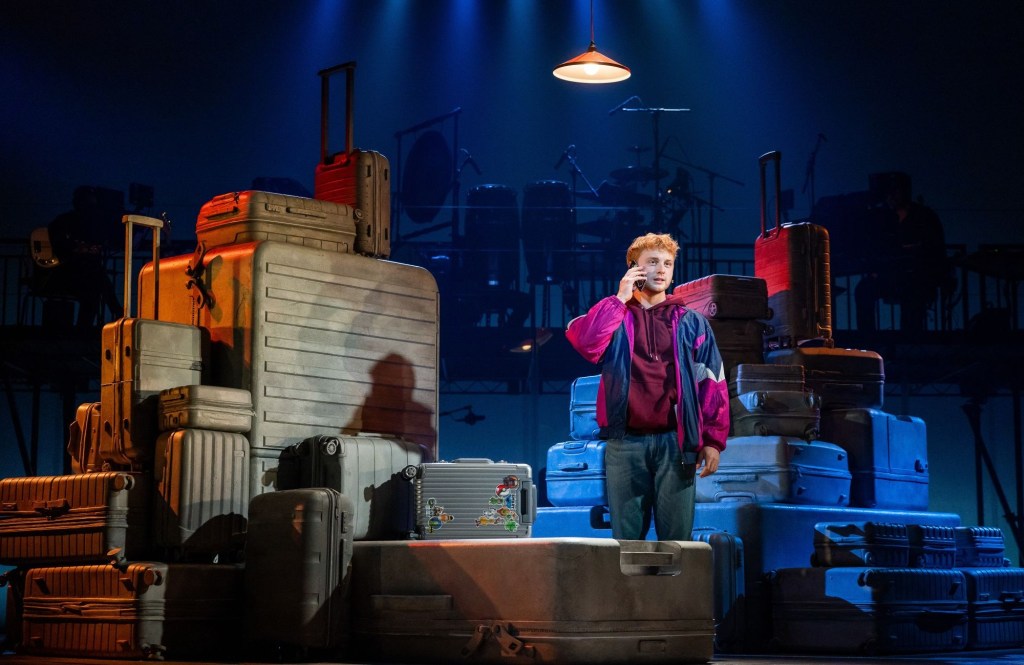
David Yazbek, the lyricist and composer behind The Band’s Visit (2016) and Dirty Rotten Scoundrels (2005), is currently gearing up for a Broadway revival of The Full Monty (2000), and has no less than five new musicals in the works. The Bedwetter, on which he serves as creative consultant, heads to Arena Stage in January. Buena Vista Social Club opens on Broadway in March. Dead Outlaw, which played a brief stint at the Minetta Lane Theatre earlier this year, is preparing to head uptown. Its three authors have just begun work on an entirely new piece. And Whiz-Bang! recently received a 29-hour reading toward a possible 2026 premiere.
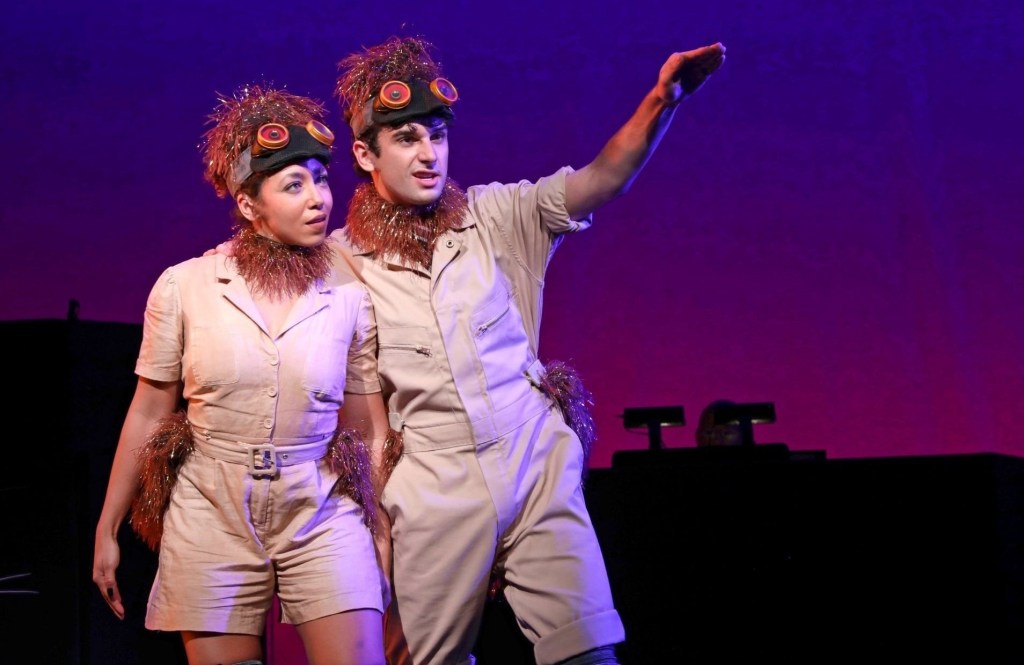
Inspired by those enduring early 20th century young adult books with characters like the Hardy Boys, Tom Swift, and Nancy Drew, Whiz-Bang! is an original musical that centers around a 17-year-old inventor. It has a book by Jeffrey Lane, with whom Yazbek collaborated on Dirty Rotten Scoundrels and Women on the Verge of a Nervous Breakdown (2010), and it is being directed by David Cromer, late of Dead Outlaw.
Whiz-Bang! is “a big show,” and Yazbek, who grew up reading many of those ‘young inventor’ books, initially approached the piece as purely something fun for families. But, he notes, “You start thinking about the themes, and you realize there’s something much, much deeper.”
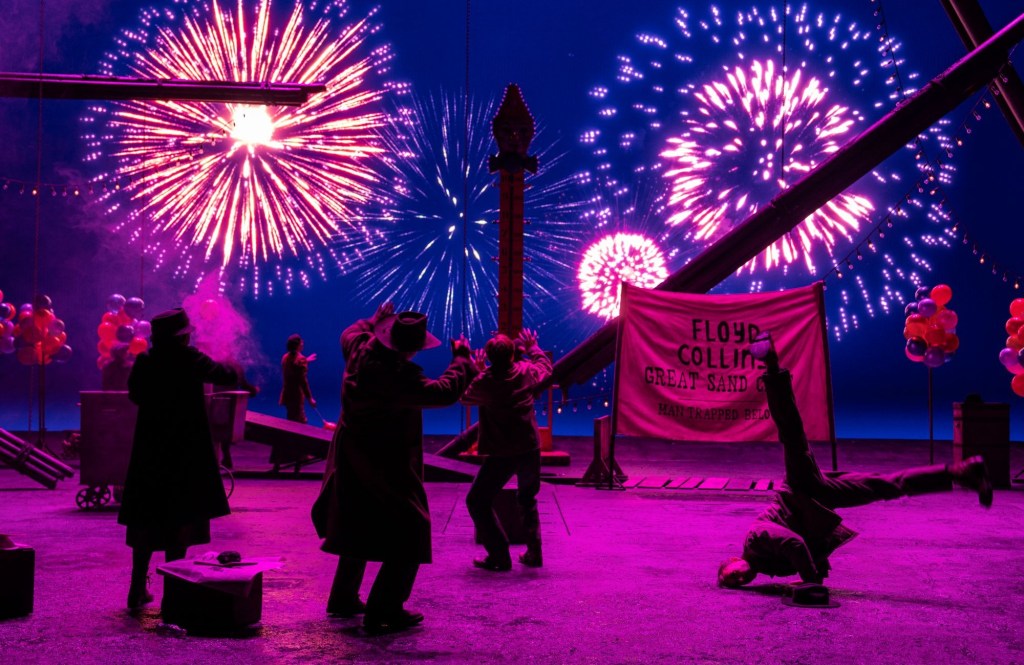
The first act of the new musical is set in the early 1910s during the electrical age, when there was “a gee-whiz enthusiasm” and “an innocence to the sense of capitalist and scientific progress.” (Nikola Tesla is a character in the show.) The second act takes place at the 1939 World’s Fair in New York at the dawn of the nuclear age, when that same innocence “matured” and there developed “a big question mark about unmitigated progress, scientific and otherwise.” (The bomb is not actually mentioned in the musical.) “I think we can do something,” Yazbek relates, “that’s a lot of fun and really interesting and really complex thematically without it ever not being fully entertaining.”
A deeply intelligent and multifaceted artist, Yazbek began his career in television, writing for “Late Night with David Letterman,” and went on to record multiple solo albums. An examination of his stage work will reveal him to be a brilliant songwriter with an exceptional understanding of and feeling for theatricality and musical storytelling. “When I’m writing songs for my album or for myself,” he explains, “I don’t have to think about character, although lately I’ve been writing for character more. When you’re writing for a show, you’ve got to serve the story and the characters. You can have themes in your head, you can have ideas, you can have high concepts and all that stuff, but if everyone involved, every designer, your director, your book writer, if everyone involved isn’t serving the story and the characters, then you’re not going to have as good a show.”
When it comes to his shows, Yazbek is “always very, very involved” in the creative discussions that lead to the first draft of the book – which, for Whiz-Bang!, consisted of long talks with Lane about the characters, plot elements, and themes. Those early discussions might similarly stir up, for Yazbek, music ideas, styles, and themes, and he will spend some time early on identifying the “flavor” of the score and the show’s musical “lexicon.” “Then,” he says, “you get a sense of how the characters might speak, maybe there’s a first draft of a certain scene, and that informs how the lyrics might get written.” In some instances, though, the music for a particular character might come first. “And often,” he explains, “if I’m really true to the character, the music that I’ll come up with suggests the style of lyrics that that character might sing.”
Yazbek, whose reading list includes the work of Robert Bly and Anne Sexton, has an uncommon ability to craft rich, characterful lyrics that are sharply focused and dramatically active, while being simultaneously peppered, when appropriate, with sophisticated language, intricate phrasing, wit, cleverness, internal rhymes, and poetic expressions. “I don’t aspire to poetry in lyrics,” he notes. “It’s a different thing. But I do want to use imagery and metaphor. I want to use it in a way that deepens what’s being said.” And what’s being said in a Yazbek lyric, written for the stage, always has the sense of being carefully and deliberately designed to serve the moment – much like the attendant music with which the lyric has been perfectly entwined.
A Yazbek score will also invariably reveal a diversified and cohesive routine with deliberately spotted songs whose individual styles and modes are ideally suited to the respective moment. This hugely profitable and, he says, largely instinctive aspect of his work has been made possible, in part, by his wide-ranging musical vocabulary. “Nothing is more important than a broad frame of reference,” his mother used to say. “Really,” he notes, “nothing is as important as curiosity.”
Yazbek, who was born and raised in New York City, says he “always had this fire in the belly,” and recalls spending nearly every other weekend, when he was growing up, at the Lincoln Center library, exploring the vinyl collection. “I would listen to some albums that I had heard about or was interested in, or classical stuff, a lot of ethnomusicological stuff, and then sometimes I’d just pick out one or two [albums] without looking.” When he was 16, he recalls walking past a book store or a record store, spotting a box of 15 or 20 albums, buying it for 15 or 20 dollars, taking it home, and sitting in his room listening to its contents – which included Balinese gamelan, Javanese gamelan, and an album titled “Music from Black Africa.”
Yazbek was also, from an early age, “heavily into” electronic music – and the history of electronic music, including figures like Raymond Scott. He recalls being “spellbound” when, in 8th or 9th grade, he heard Suzanne Ciani, “one of the Godmothers of electronic music,” play a Buchla synthesizer at his school. He subsequently had the opportunity to apprentice with her for a summer, played the Buchla synthesizer in his high school’s music room, took electronic music courses in college, and owned a Minimoog for his band.
Yazbek’s score for Whiz-Bang!, while decidedly orchestral, will feature some “old-fashioned” synthesizers. “I had a sense,” he explains, “that I wanted to hear music that felt like it was coming from instruments that might have been invented by these type of electrical inventors. Instruments where it’s electronic music, but you can almost smell the tubes heating.” The show will use, in particular, a Theremin, which is operated by moving one’s hands in the air. “There’s something,” he adds, “about the exploratory and inventive nature of people who invented electronic musical instruments combined with the exploratory and inventive nature of the kind of art that was going on at the time and the kind of theatre and the kind of music.”
Yazbek and Lane began working on Whiz-Bang! roughly 15 years ago – and were regularly interrupted. They finally finished a draft of the piece just prior to the COVID-19 pandemic, and eventually held an informal table reading, with masks, at Music Theatre International. Whiz-Bang! received a formal 29-hour reading earlier this fall for the Old Globe Theatre and some potential commercial producers, and Yazbek is hopeful that it will premiere at the San Diego venue, which launched two of his prior projects, in 2026.
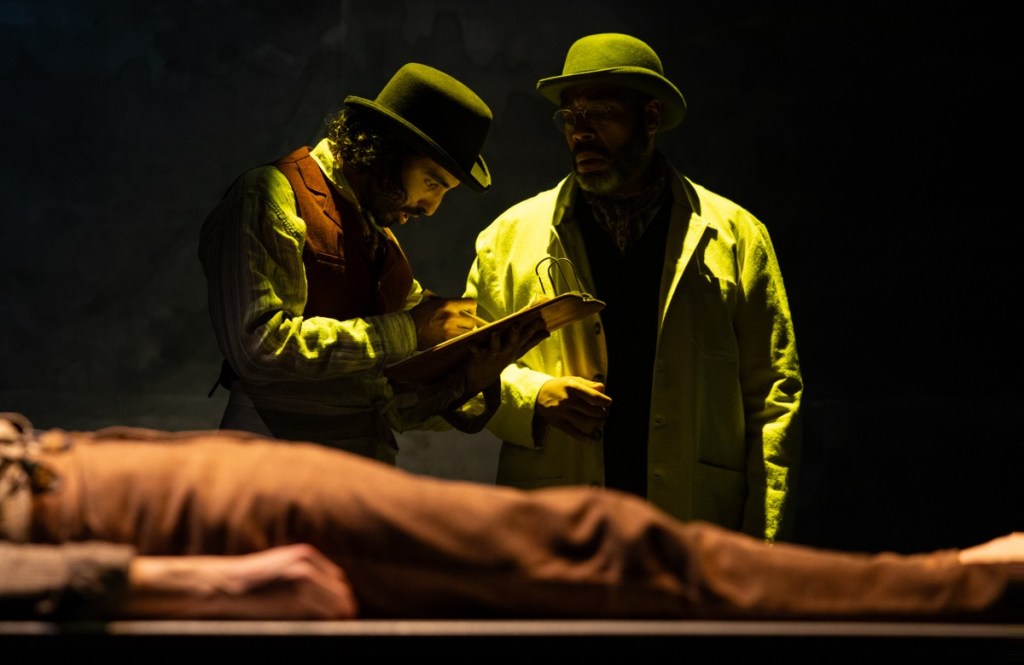
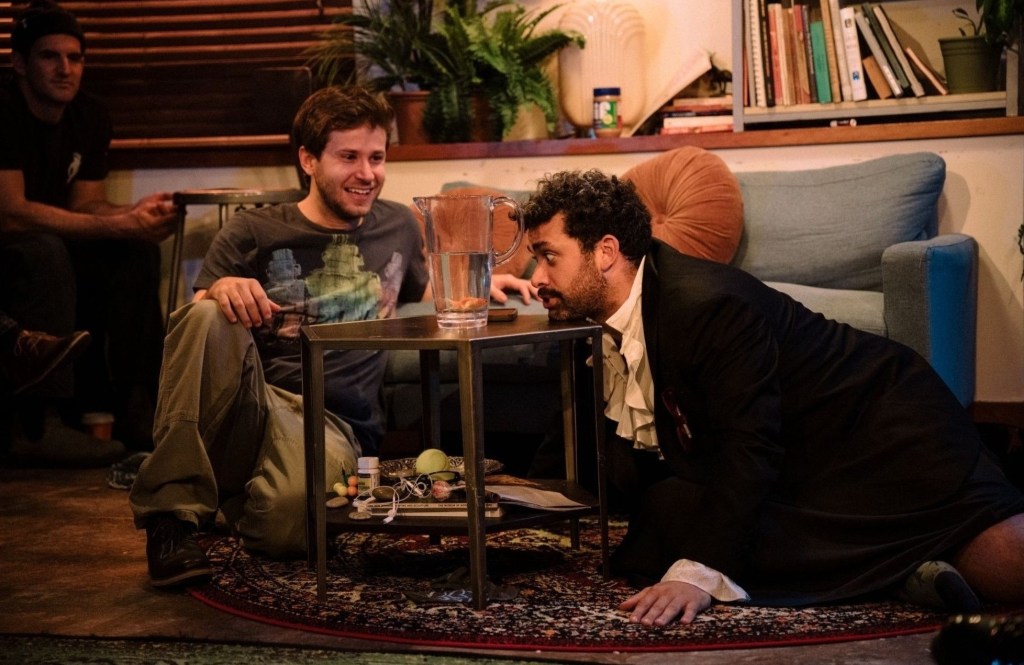
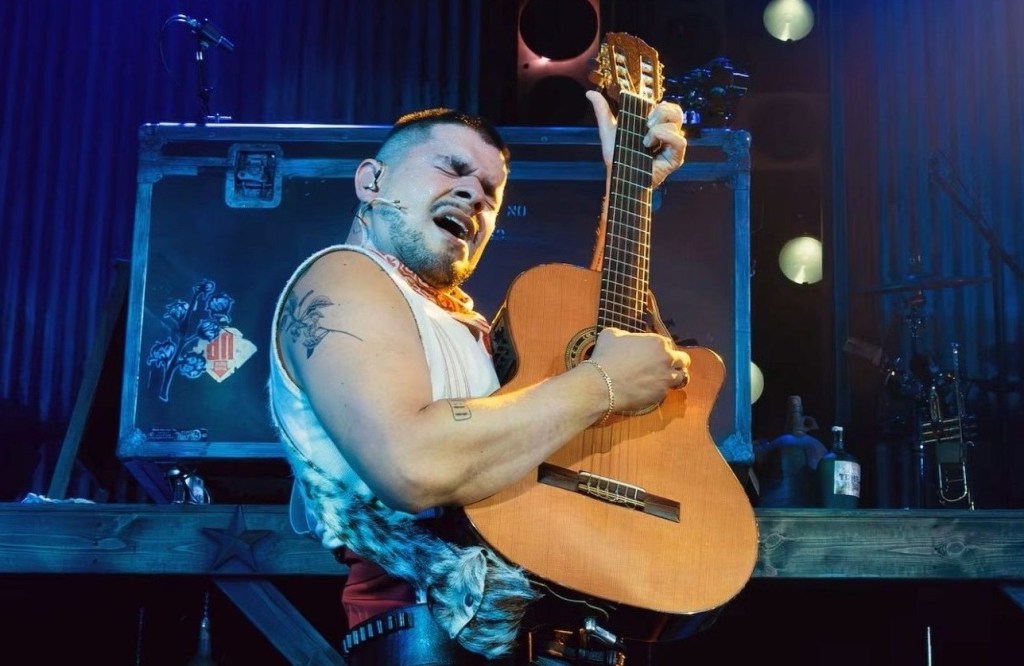
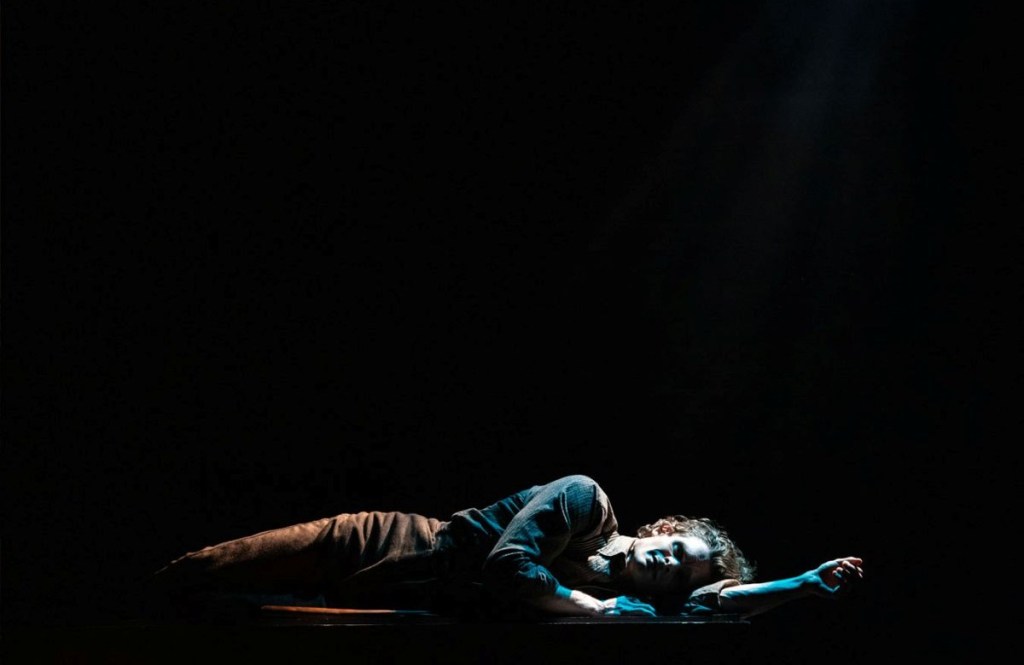
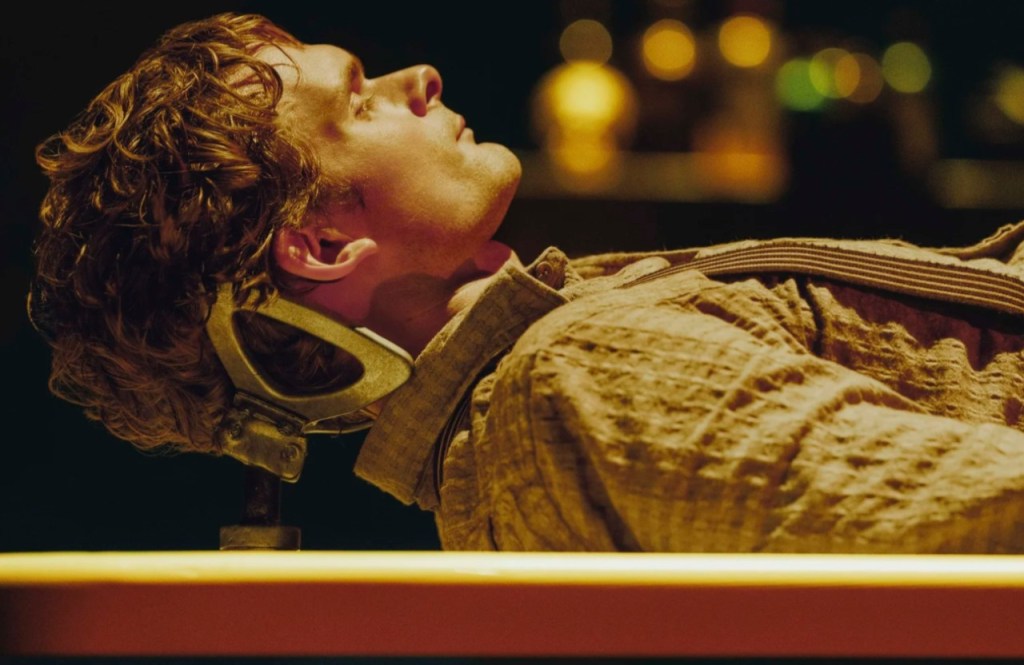
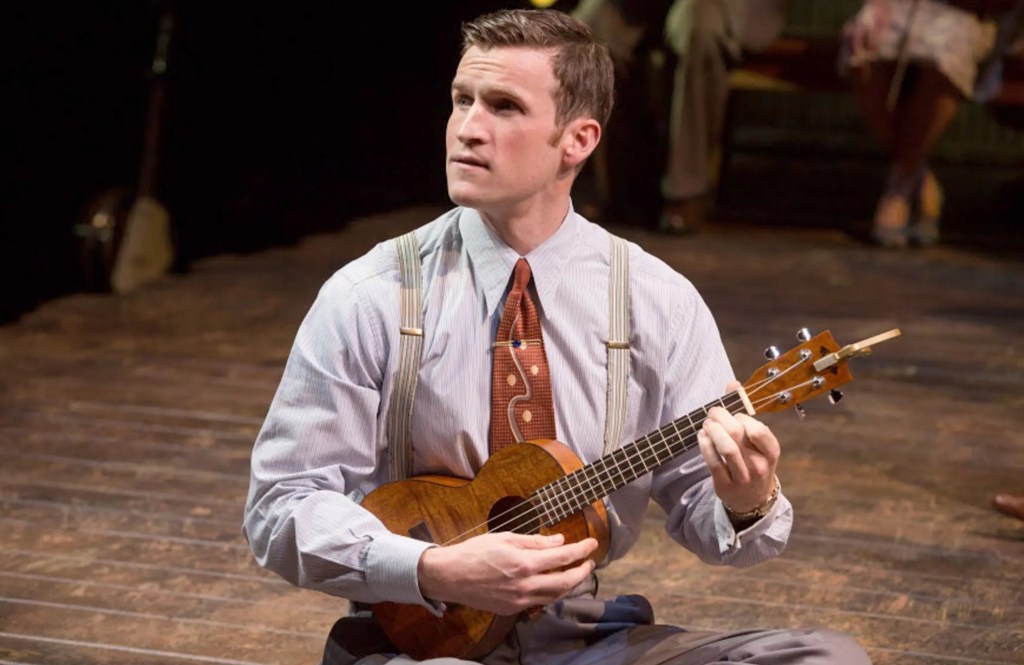
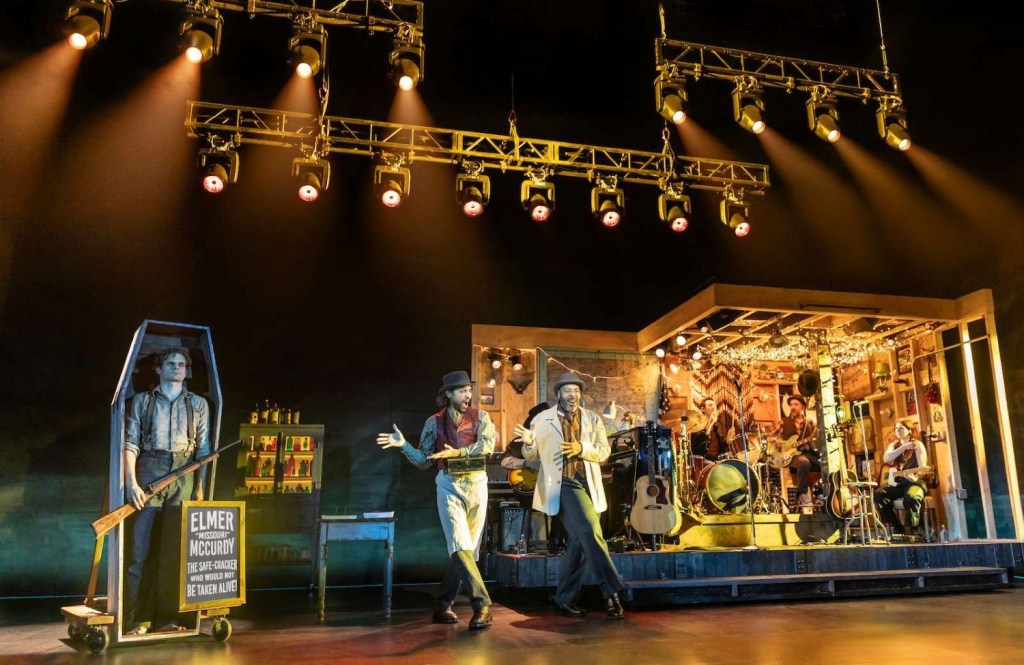
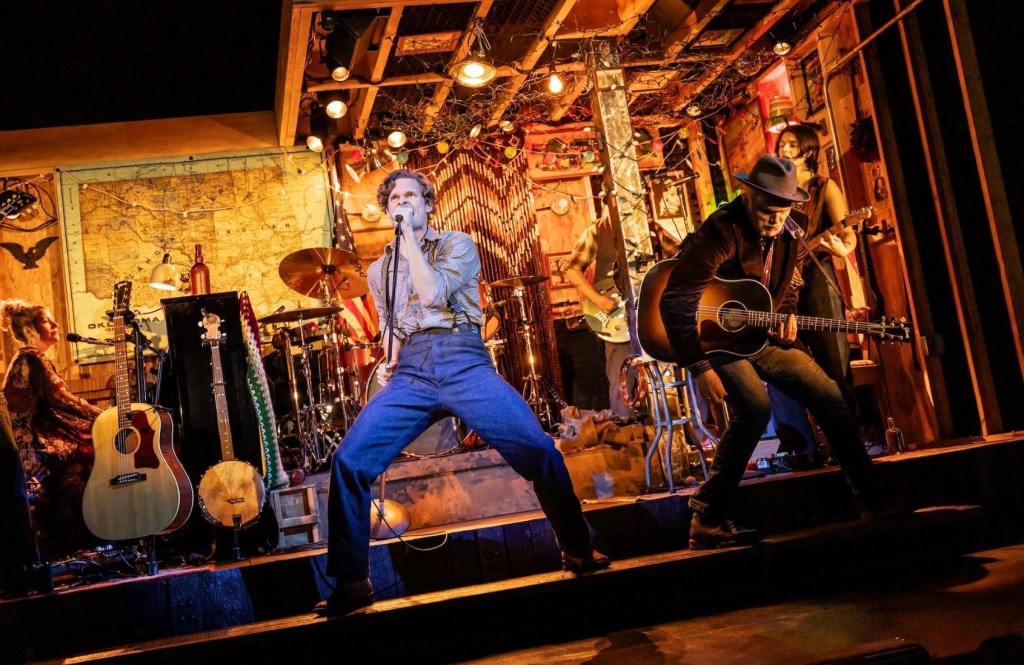
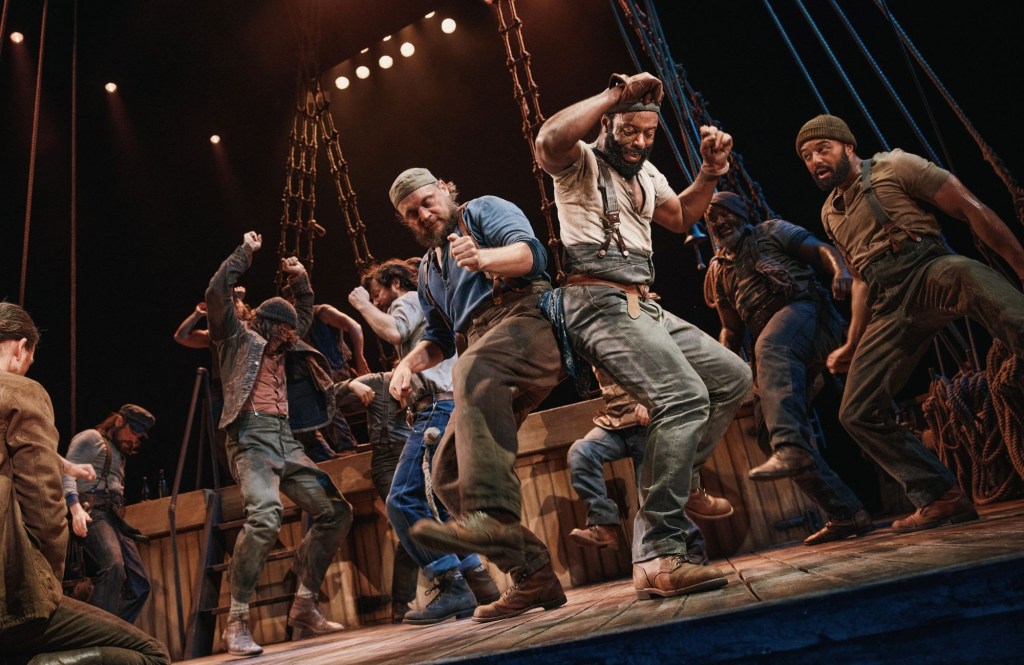
In the meantime, Dead Outlaw is expected to arrive on Broadway next year. The original musical, based on the life and death of Elmer McCurdy, has a book by Itamar Moses (The Band’s Visit) and lyrics and music coauthored by Erik Della Penna. The Broadway production is expected to be substantially the same as the production seen downtown, though Della Penna will not appear onstage with the band, and Audible, which produced the downtown run, will not be taking the lead for the transfer.
Relatedly, Yazbek, Della Penna, and Moses have ‘just begun work’ on a new musical that centers around a historical figure from the 20th century. “We’re in the process right now,” Yazbek relates, “of talking about what the themes should be and could be, what the tone should be and could be, and what the look of it should be.” It is, he adds, a “fascinating” topic that touches “really strongly” upon present times.
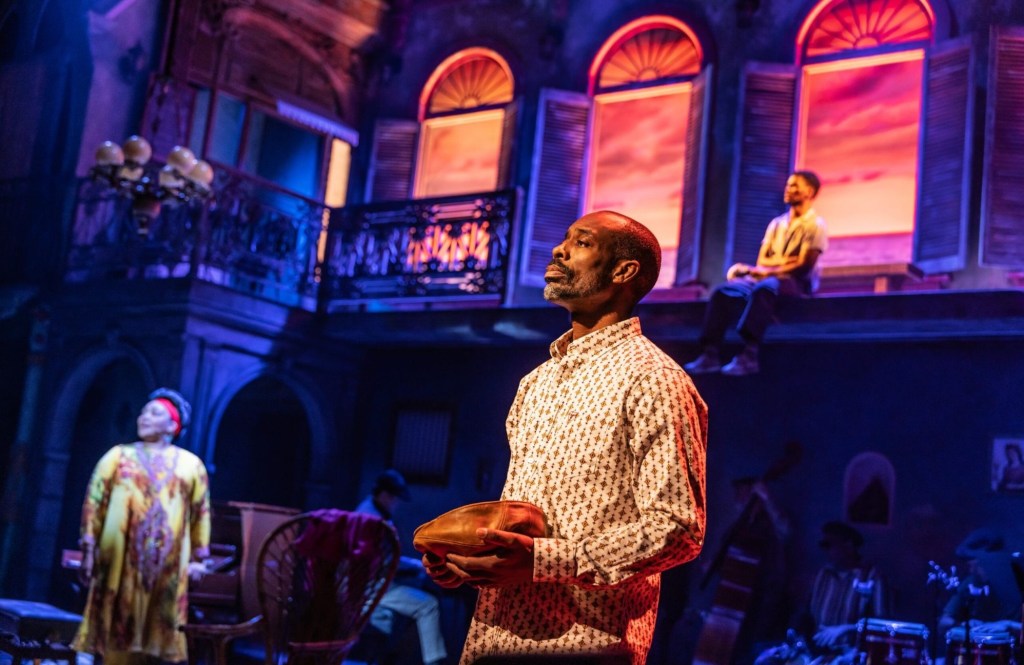
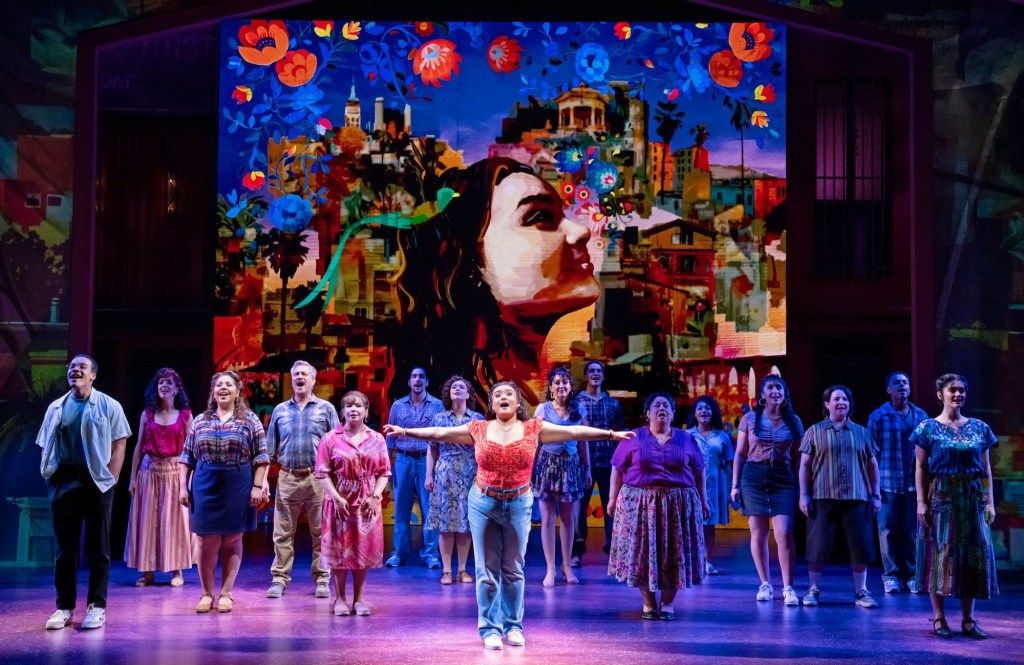
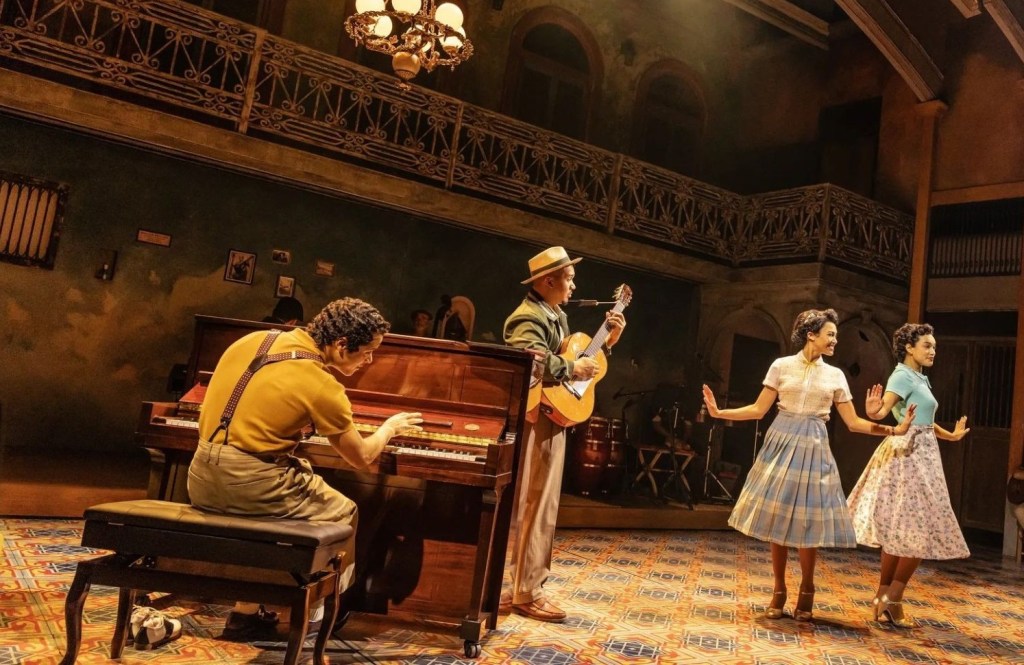
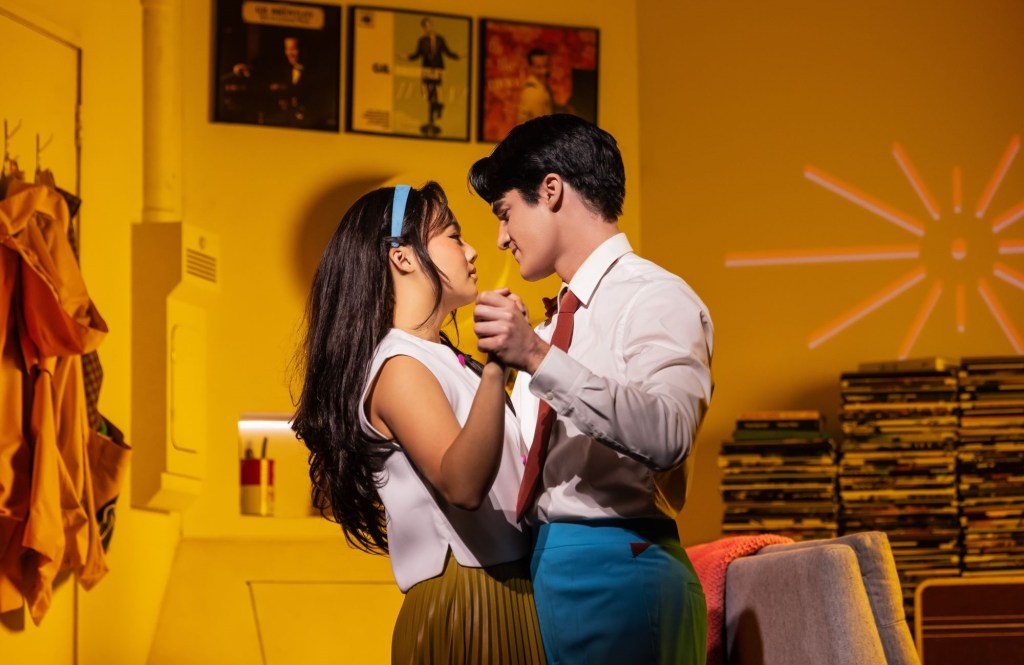
Yazbek will also be represented on Broadway next year with Buena Vista Social Club, a new musical inspired by the album of the same name. It has a book by Marco Ramirez, arrangements and orchestrations by Marco Paguia, and music supervision by Dean Sharenow. Yazbek was brought into the project “very early” by producer Orin Wolf (The Band’s Visit) in part to write new songs and provide translations for the Spanish-language lyrics. When it became apparent that neither was necessary, his role became primarily dramaturgical in nature. “A song serves a purpose in a musical,” he explains. “How do you use these songs for a mostly English-speaking audience? You have to key into what the music’s saying as opposed to what the lyric’s saying. But then you have to make sure the lyrics aren’t going against what’s happening in the story. First it was searching out the right songs, and then it was staying in touch with the story and the characters.” Yazbek will also be co-producing the Buena Vista cast album.
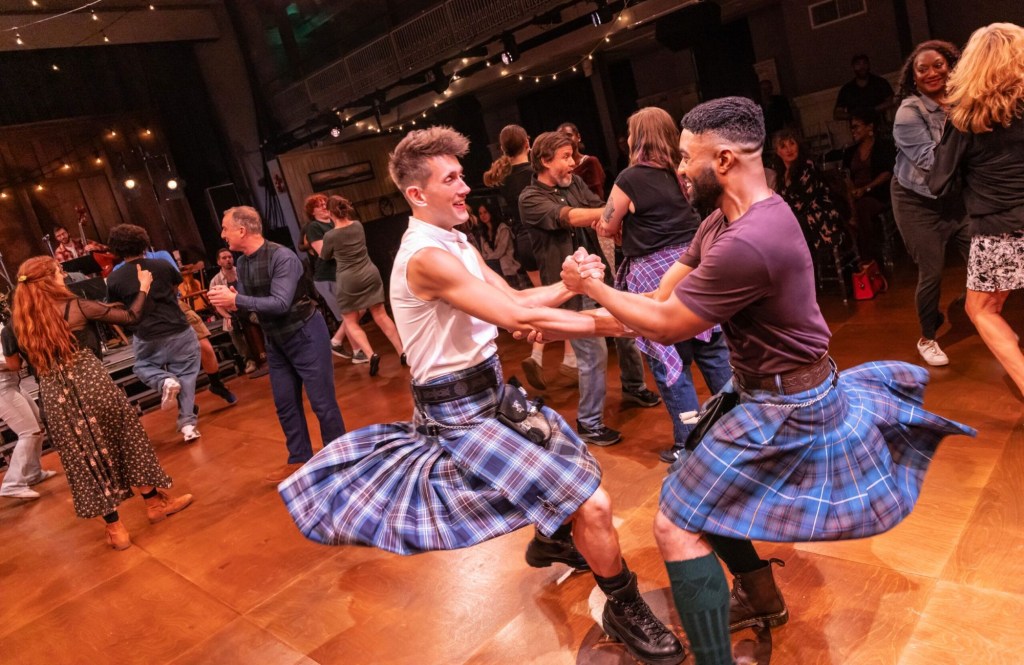
And then there is The Full Monty. The musical, which Yazbek says will see some ‘light rewrites,’ has been workshopped twice since 2019 and is expected to return to Broadway “within a year and a half.” Leigh Silverman (Suffs) is directing the piece – whose original production marked the auspicious stage debut of a wildly talented and slightly mad songwriter who surely has one of the smartest, freshest, and most distinctive and theatrical voices of the early 21st century.
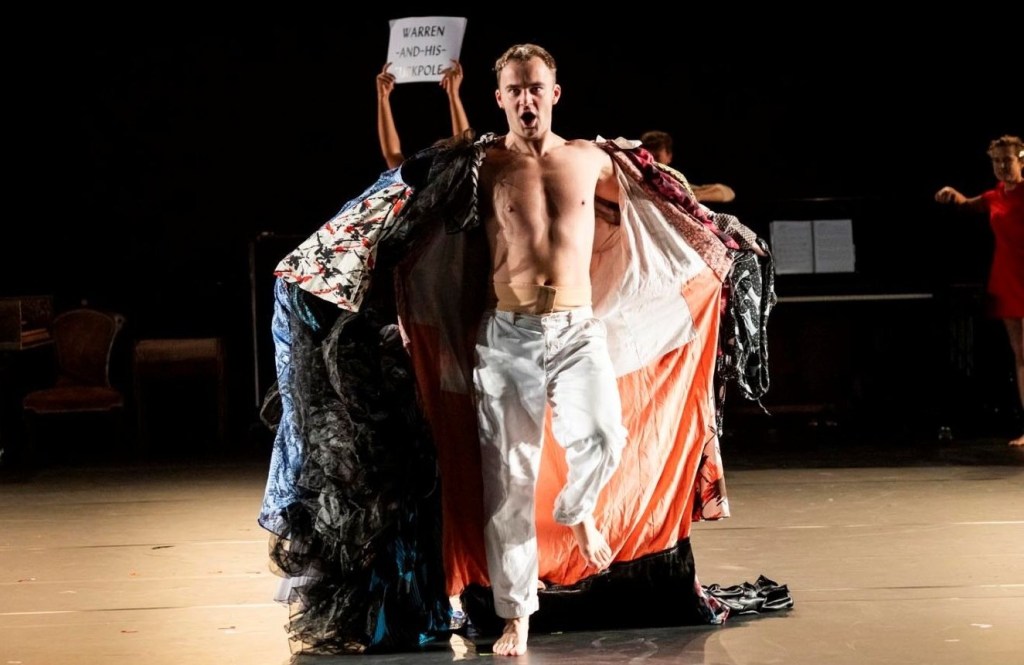
Photo of a scene from the Audible Theater production of Dead Outlaw by Matthew Murphy.












 The Musical Theatre Report
Leave a comment