A journal for industry and audiences covering the past, present, and future of the musical stage.
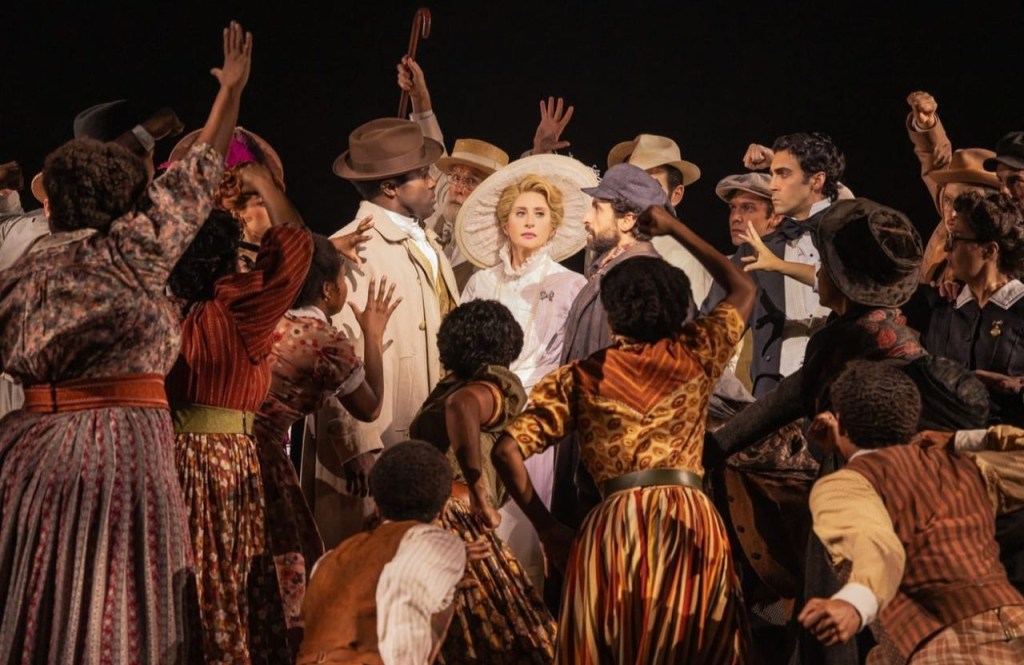
Ragtime, a revival of the 1998 musical, is currently playing an extended engagement at the Vivian Beaumont Theater. It has a book by Terrence McNally, lyrics by Lynn Ahrens, music by Stephen Flaherty, and direction by Lear DeBessonet, and it is an unskilled, unimaginative production of an elegantly written, but flawed, property.
The sprawling musical, which runs roughly ten minutes shy of three hours, is based on the E.L. Doctorow novel, and it unfolds at the turn of the 20th century. I have decided to forego a synopsis of the piece and a critique of the generally strong material – except to note that the generally strong material contains, among other things, mechanical or forced crescendos and historical inaccuracies. Coon songs, for instance, comprised a specific genre of popular song, entirely unrelated to the minstrel show, but intrinsically connected to ragtime. And coon songs were written, performed, and enjoyed, for a brief period of time, by both men and women, white and Black, in vaudeville and legit. And elsewhere. (Belle Baker, Marie Cahill, and Sophie Tucker were among the large swath of “coon shouters” in the early 1900s.) The musical’s sound-bite description, in dialogue, of coon songs is entirely incorrect, and Coalhouse, being a “professional” musician, would surely know better. Plus, the Clef Club, of which Coalhouse speaks in 1906, was not actually founded until 1910. To the production then…
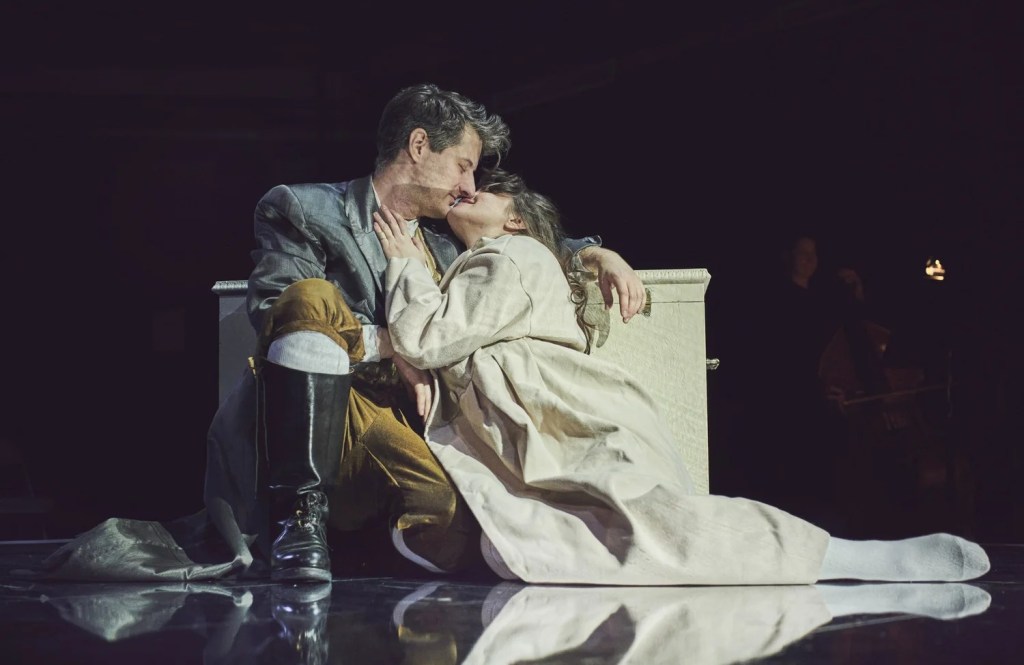
DeBessonet is completely at sea on the cavernous stage of the Vivian Beaumont, and she has exhibited neither an understanding of nor a feeling for the musical stage, or musical storytelling. (This is my first encounter with her work.) Her staging is nearly devoid of detail, precision, personality, and punch. Actors enter and exit and wander about the conspicuously unsculpted playing space without purpose or impact, sometimes blurring the focus of the story, and some actors push around, in a generic and perfunctory fashion, the smattering of paltry scenic elements that appear onstage from time to time. (The use of two clunky mobile stair units as “two ships passing” is laughable, and so is the use of a small box that rises from the deck of the stage at the top of act two, carrying the leading man nowhere in particular.)
Some actors, under DeBessonet’s direction, fail to effectively launch (back) into song. (See: “Gliding.”) Some actors make incoherent and or dramatically ineffective lyric choices that (further) damage the respective moment. (See: “Your Daddy’s Son.”) Some actors give excessive weight to timely, dangerous, or politically charged lines of dialogue. Some actors miss or cheapen the comedy. And some actors work in a contemporary manner, especially with regard to their vocal performance. (James Moore is music director.) Plus, DeBessonet has repeatedly directed her actors to slowly or intensely walk, step, or march downstage, directly toward the audience, in an increasingly obvious, increasingly tedious move presumably designed to generate excitement and drama and tension and drive – the production is nearly devoid of excitement and drama and tension and drive. The director even uses this move in “Wheels of a Dream.”
And DeBessonet begins sabotaging the musical from the start, muddying the first use of direct address, and, as a result, failing to establish a crucial facet of the narrative language, and confusing the storytelling. (A young boy delivers his opening remarks, bafflingly, to a second young boy, rather than to the audience.) “Back to Before” is performed barefoot against a vertical cascade of billowing sheets, and it is ridiculous, accented with depressingly basic light cues. “Crime of the Century” is sloppy and derivative in its attempt to deliver mannered or stylized performance. “What a Game!” is staged, for no particular reason, in a straight line – until the actors shift their two benches, one in front of the other, and do an absurd dance. The destruction, upstage, of an automobile, is obscured by the gyrations, downstage, of a row of Black men in down specials. And, throughout the show, the scene-to-scene and sequential transitions, many of which were specifically and fairly effectively written to be crisply fluid, are rough, seamy, and aggressively dull. (Ellenore Scott is choreographer, and Christopher Gattelli is creative consultant.)
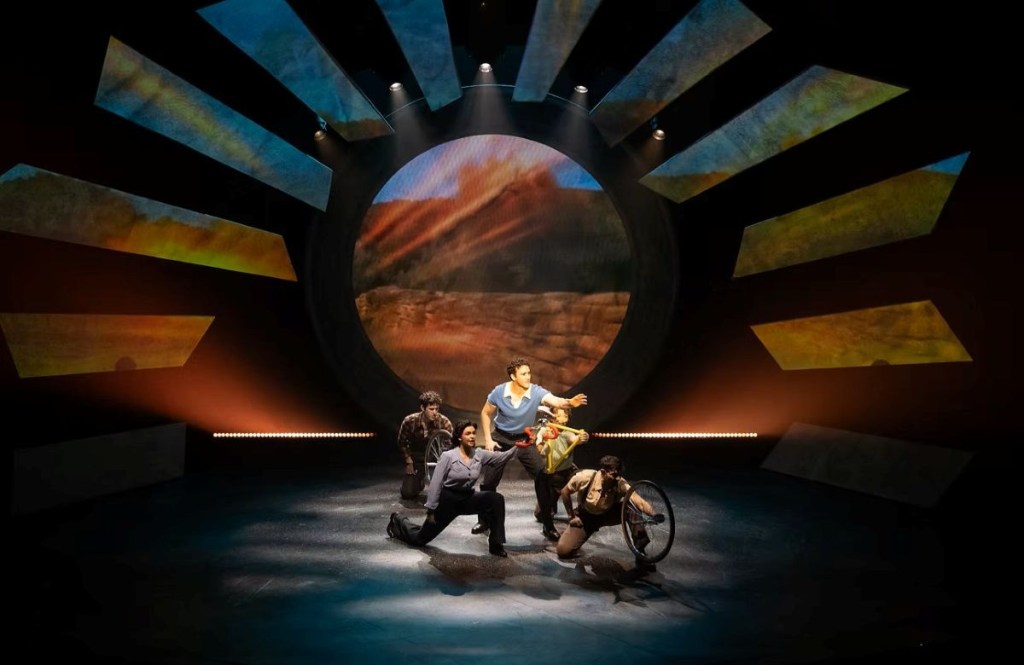
Not a single performance is remarkable. (Ben Levi Ross did not appear on the afternoon of December 31.) David Korins is a fantastic scenic designer, but his work on Ragtime resides, metaphorically, at the bottom of the bottom drawer. The lighting design, by Donald Holder and Adam Honoré, is largely unhelpful. And the costumes, by Linda Cho, and the sound, by Kai Harada, are passable.
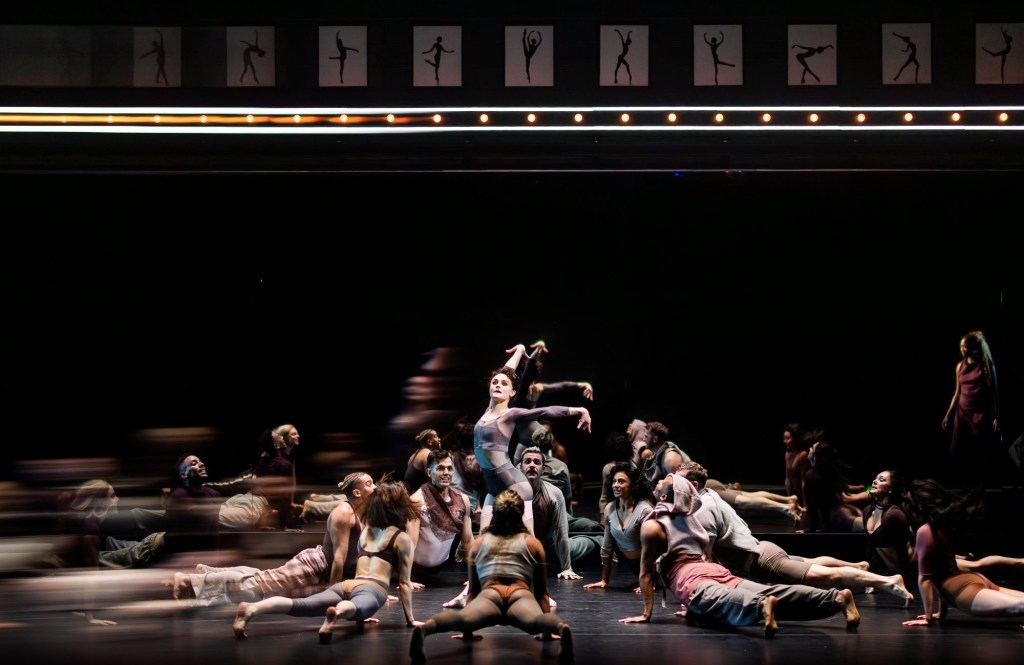
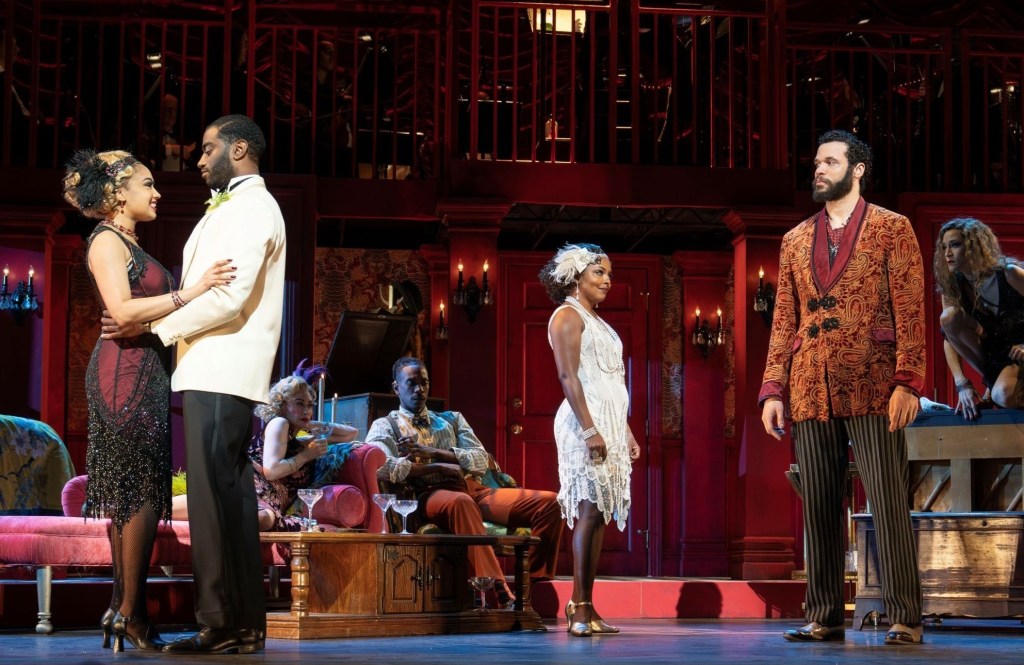
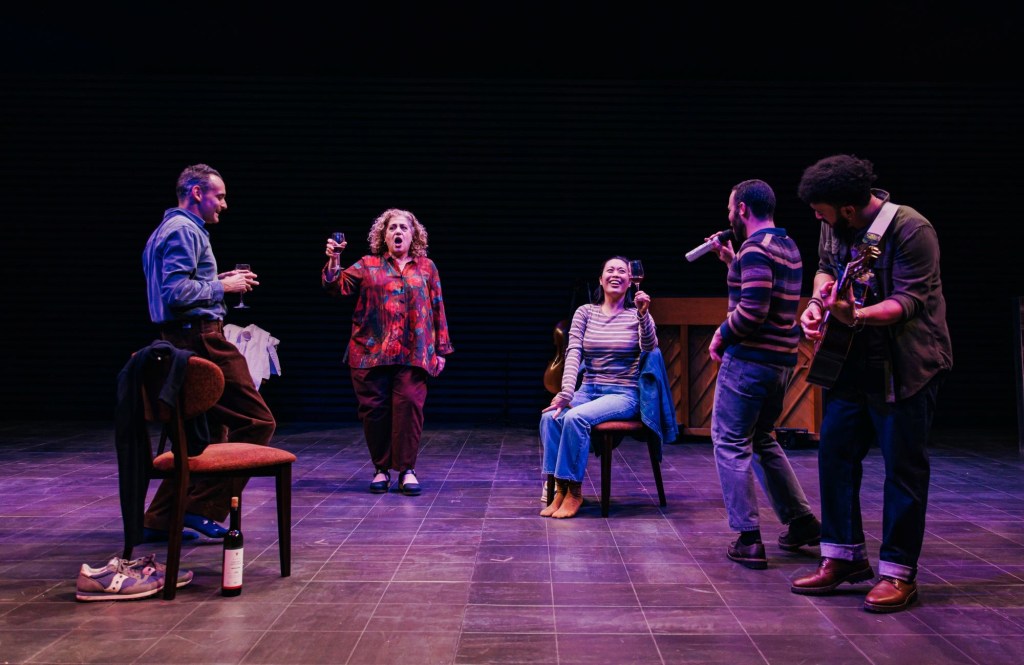
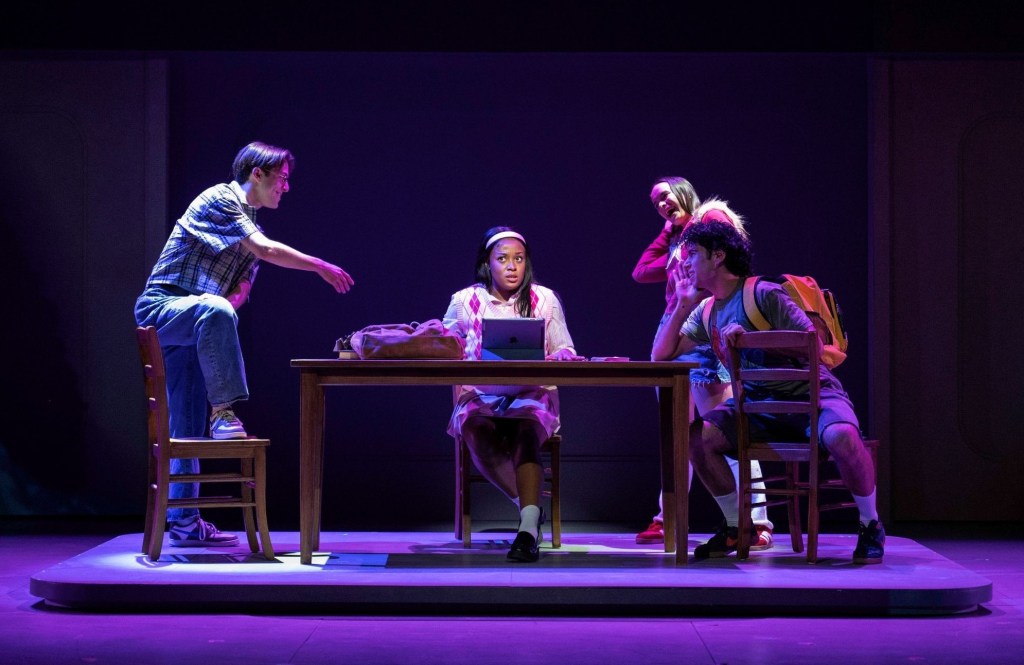
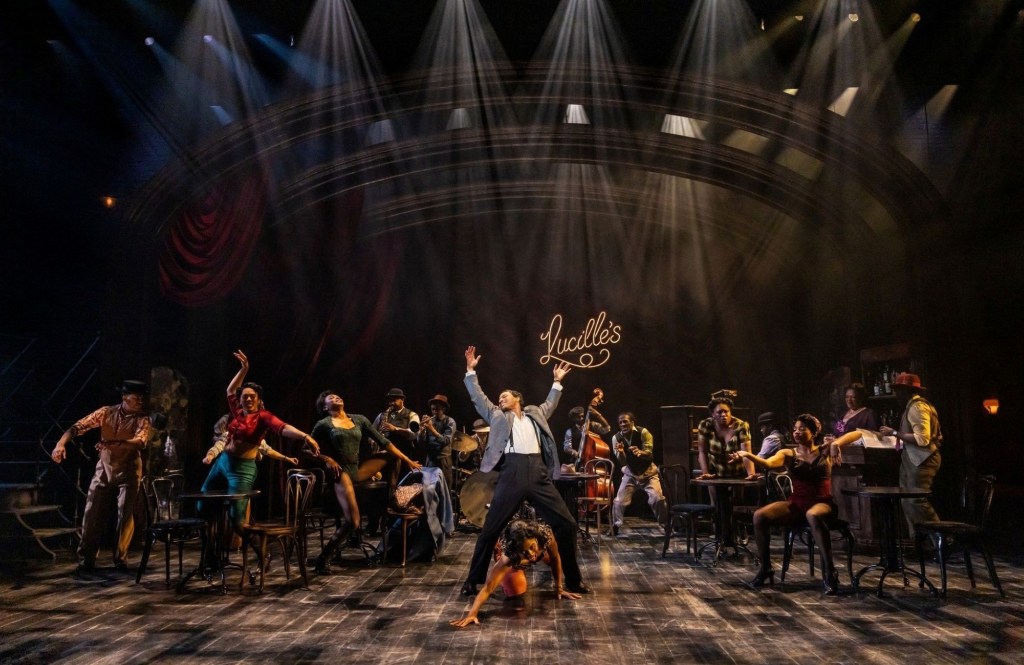
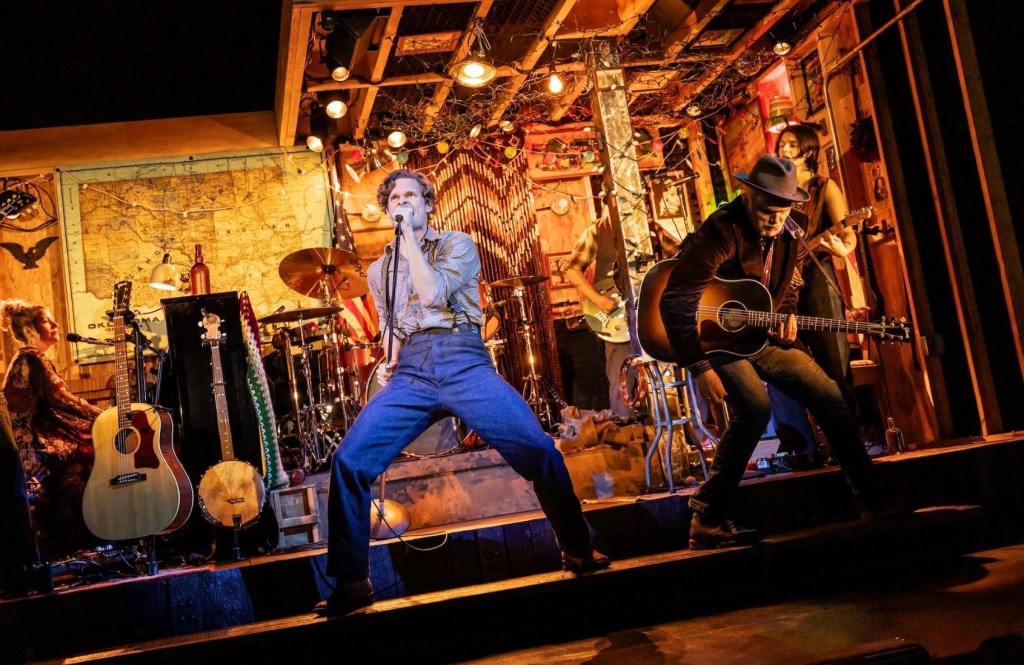
Photo of a scene from the 2025 revival of Ragtime by Matthew Murphy.









 The Musical Theatre Report
Leave a comment