A journal for industry and audiences covering the past, present, and future of the musical stage.
Buena Vista Social Club opened on Broadway last Wednesday, and Matt Polk, a press agent for the production, granted me exclusive access to the advertising meeting that took place the following day. It was held in a high school gymnasium in Queens in order to accommodate the show’s 357 producers, including Lin-Manuel Miranda, who sat with his head tilted slightly upwards and remained silent for the entire session. Barbara Broccoli was not in attendance, because she recently sold her interest to Amazon.
The purpose of this particular meeting was to parse through the reviews, pinpoint potential quotes, and formulate a marketing campaign that would carry the production into awards season, and the non-producorial participants included the general management team, the advertising team, two representatives from the public relations firm iVoice Communications, marketing director Anna Pitera DeVito, ticketing and revenue director Ben Simpson, and intimacy director Crista Marie Jackson – just in case.
Once most of the attendees had settled down in the bleachers, LaChanze sang the national anthem, and Polk kicked off the meeting. “Well, my Havanistas,” he said, “we got raves!” And the gymnasium erupted in applause – until someone pointed out that, in fact, some of the reviews were not so good. (That person was escorted out of the meeting by the same two men who play bodyguards in the production.) “It doesn’t matter,” Polk responded. “We got a Critic’s Pick from The New York Times. That’s gold!” And Julie Boardman, a low-level producer, roared, “I love Jesse Green, I know Jesse Green.” But Polk pointed out that the review had actually been written by Elisabeth Vincentelli. A representative from Shubert said, “Who?”
Polk provided the group with a brief biography of the long-time critic, and everyone in attendance agreed that her review, given the prominence of the publication for which it was written, should be the cornerstone of their campaign. So, Polk asked if anyone had identified a quote in Vincentelli’s review that they felt would be especially useful. Roy Furman, a financier who dabbles in theatre, suggested “clunky dialogue” and “heavy-handed exposition.” But Polk said, “No, we want to quote something positive.” “What about the paragraph where she describes the scenery?,” Furman asked. But Polk said, “No.” “What about the paragraphs where she provides historical background?,” Furman asked. But Polk said, “No.” “What about how she says that the show has a loose relationship with the facts?,” Furman asked. But Polk said, “No, those are not positive things.” “Then why did we get a Critic’s Pick?,” Furman shouted impatiently. No one knew the answer, but they were grateful to have received it.
A lengthy discussion followed, during which three representatives from Atlantic Theater Company and company manager Carrie Jablansky picked up Cubanos from a food cart that was parked under one of the basketball hoops, and the entire team eventually decided to focus on Vincentelli’s comments about the music and the dancing. It was at this point that Orin Wolf, the musical’s lead producer, finally arrived. He apologized for being late, and said he had been busy raising $29 million for his new Prince musical. (Buena Vista Social Club only cost $17 million.) He also said that he had brought offering papers with him if anyone was interested in investing, but no one was.
Polk gave Wolf a quick update on what had transpired regarding The New York Times, and Wolf said, “Great, can we look at the Daily News? I hear Chris Jones wrote something terrific, like, ‘If you like musicals with a story and don’t care whether or not the story is told, this one’s for you,’ or ‘sit back, close your eyes, plug your ears during the dialogue, and enjoy,’ or ‘what is the point of musical theatre anyway?’” “I love Chris Jones,” Boardman roared. “I know Chris Jones.” But Polk said that he is actually not a big fan of Chris Jones because Chris Jones endorses everything.
The next roughly 42 minutes were spent sifting through reviews that had been published in the New York Post, Entertainment Weekly, Deadline, and Time Out New York. The latter, in particular, inspired William Berlind, another low-level producer, to suggest an exclamatory headline that might anchor some of the show’s print, digital, and social media advertisements: “Buena Vista Social Club: A Thoughtless Tropical Vacation!” But that was quickly nixed. John Leguizamo, who is making his producing debut with the show, suggested that the headline instead read: “The Best Reviewed Cuban Musical Ever!” But David Yazbek, who is also making his producing debut with the show, pointed out that Guys and Dolls, a world-famous musical from 1950, has a scene in Havana. A representative from Shubert said, “What?”
At this point, the meeting was nearing the two-hour mark, and students would soon be arriving in the gymnasium for a pep rally. The bleachers had to be cleared, the food cart had to be struck, and someone had to return the television set that had been rolled out on a cart borrowed from the science lab so that executive producer Allan Williams could join the meeting via Zoom. So, Polk advised the participants that the ad team would be sending around some mock-ups, using the Critic’s Pick from The New York Times and the quotes, about the music and the dancing, that had been agreed upon. And he further advised that he had already personally read through all of the reviews and would be separately sending around some prospective quotes from the many that had not been discussed.
Marco Ramirez, who wrote the book for the musical and is one of its 357 producers, was in attendance, disguised as Omara Portuondo, and, just as Polk was about to conclude the session, Ramirez removed his wig and shouted, “Did you find any good quotes that we can use about my book? Or the story? Or the characters? Or the composition? Or the dialogue? Or the drama? Or about anything that actually makes the musical a musical, a piece of theatre, as opposed to a concert?” Polk responded, “Not really. But be happy, my Havanista. We got raves!”
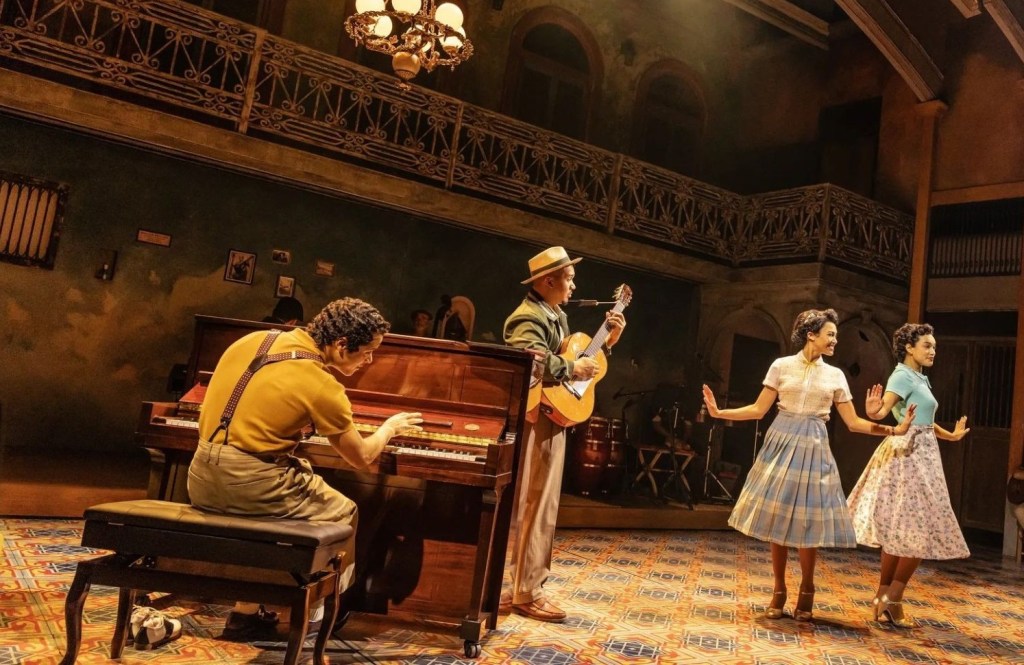
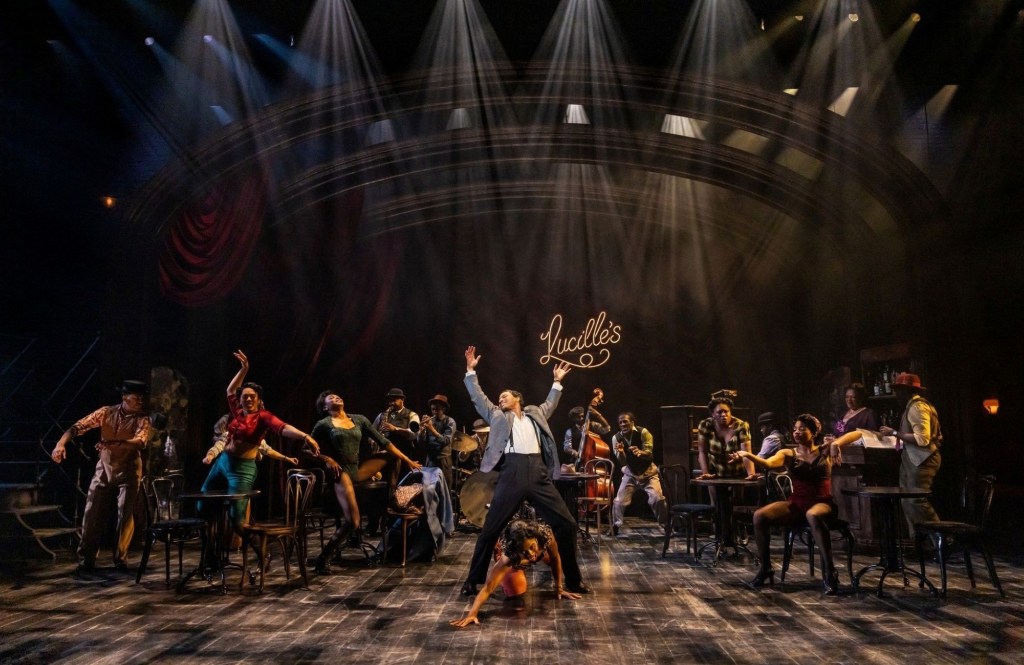
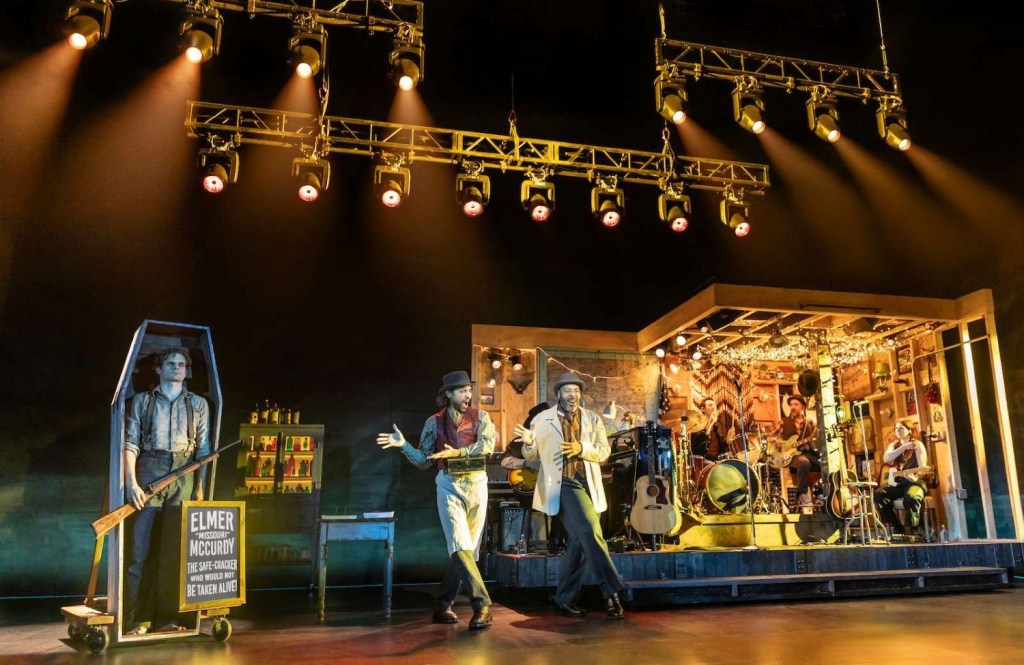
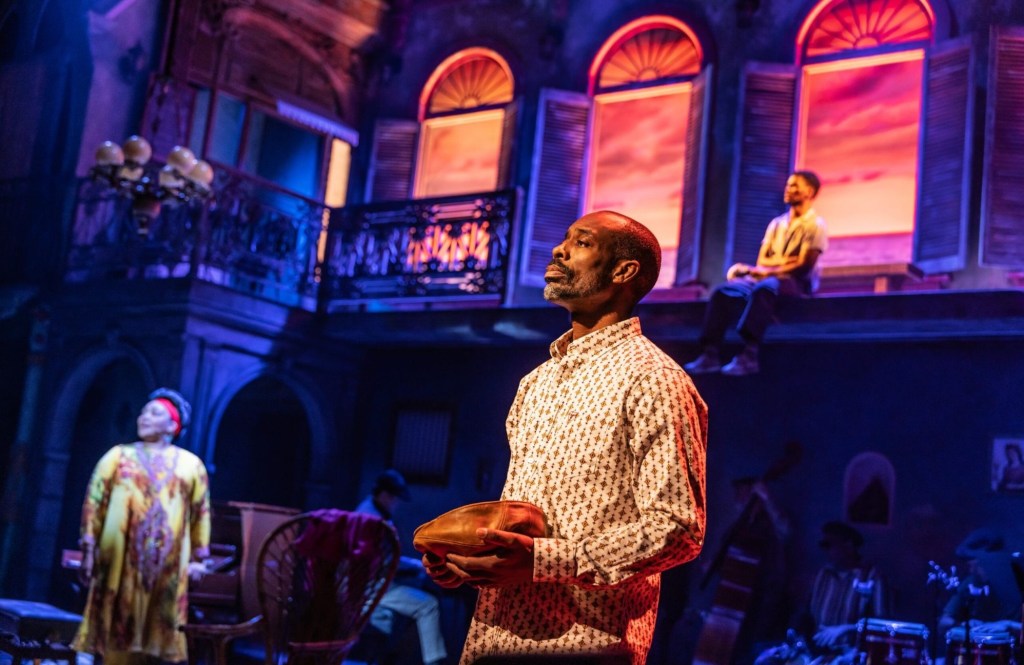
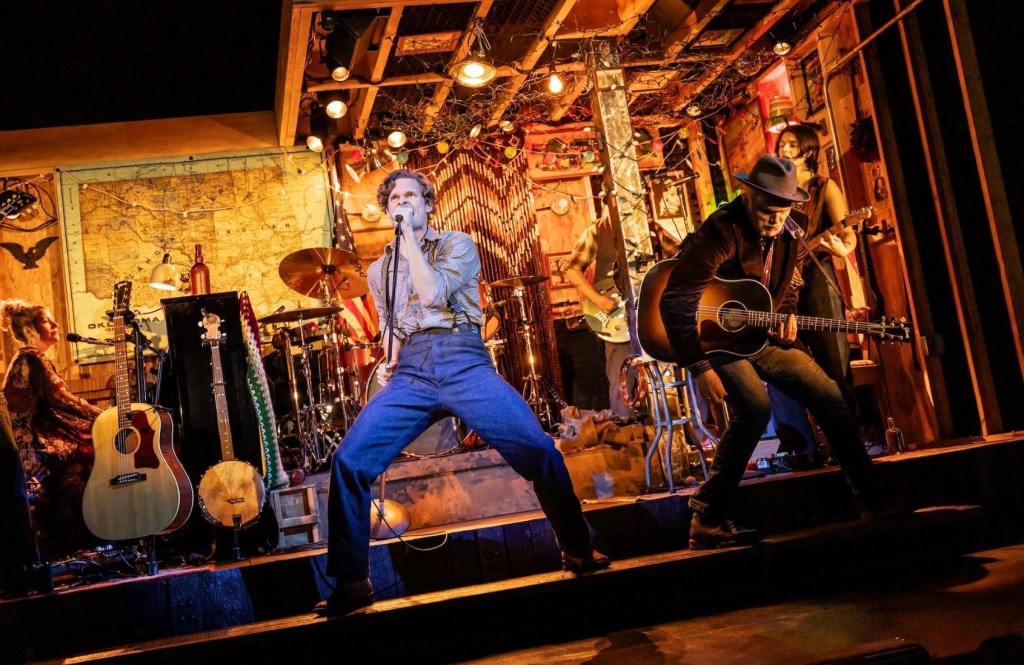
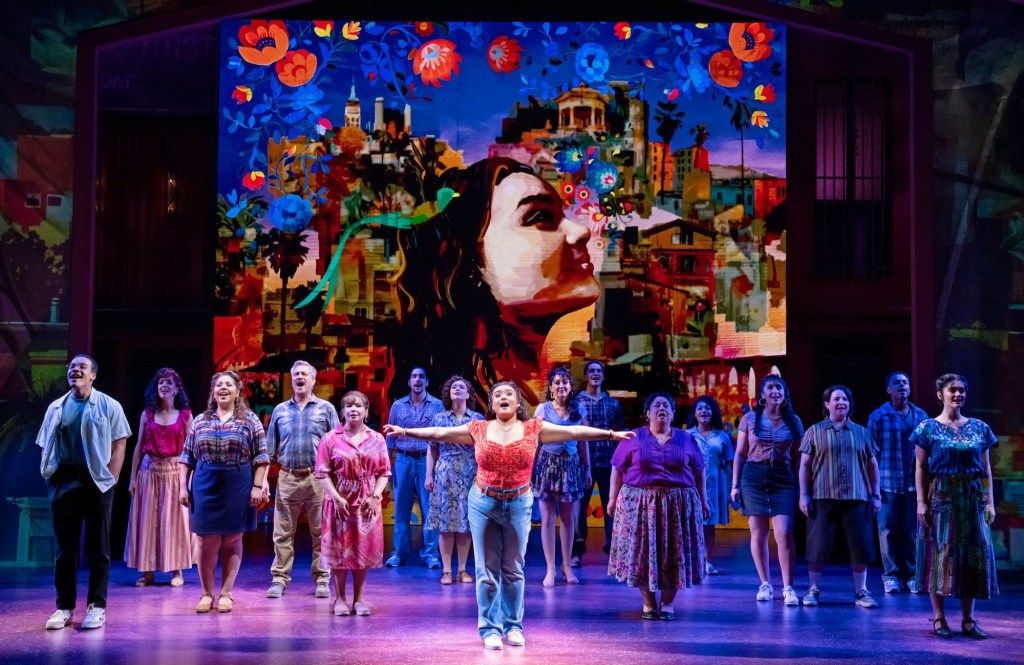
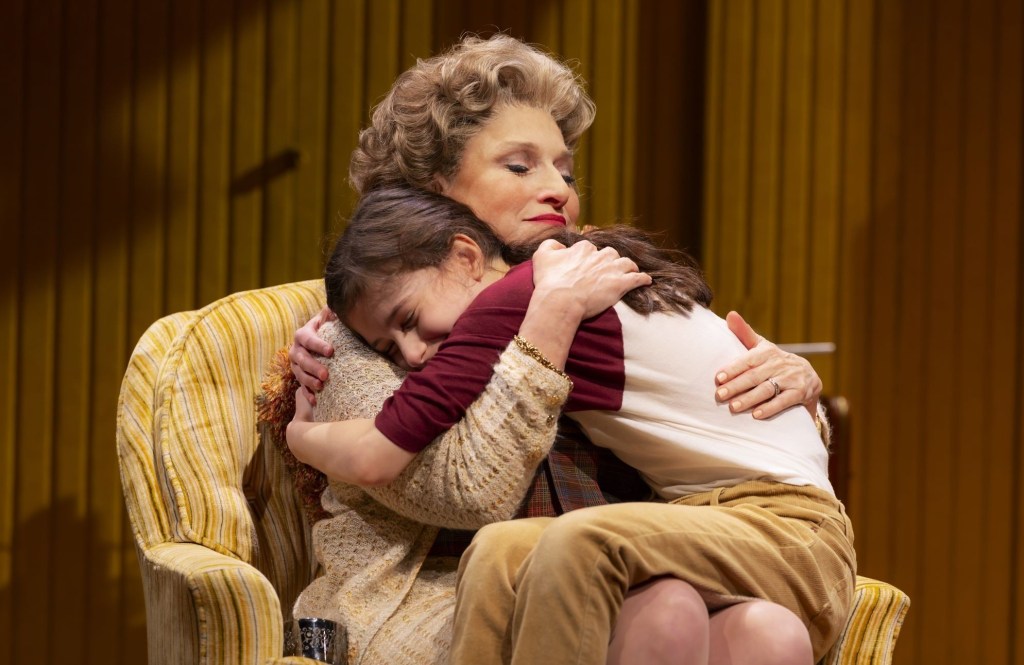
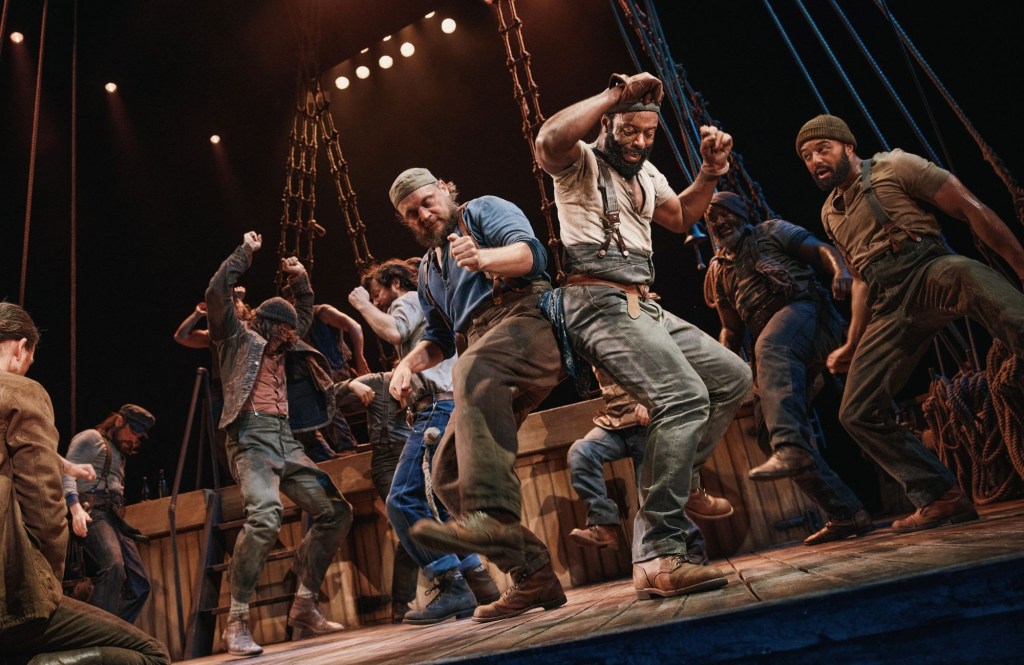
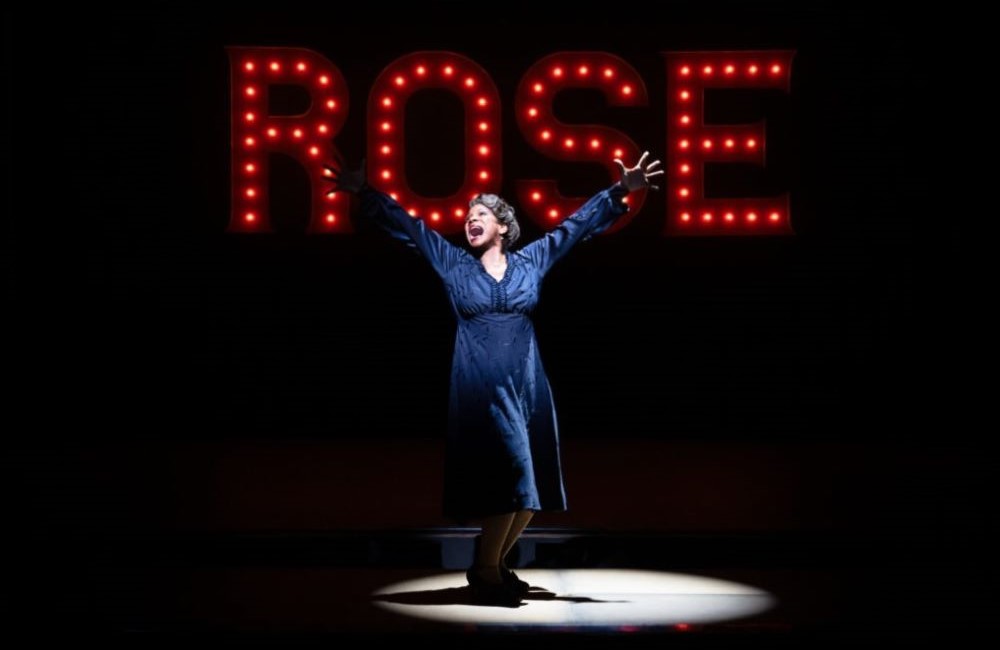
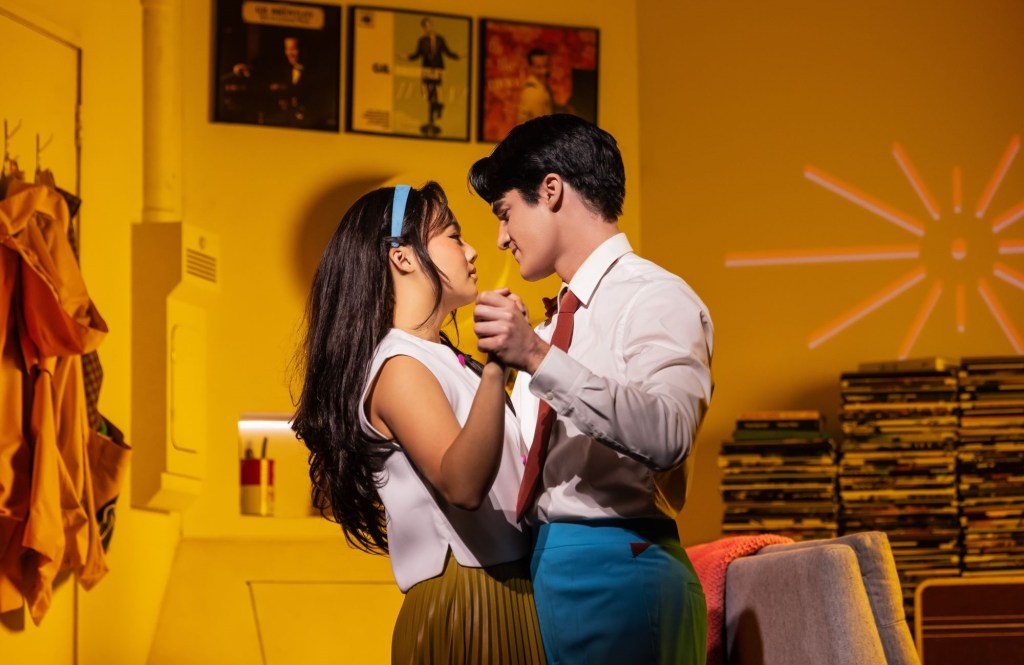
Photo of a scene from Buena Vista Social Club by Matthew Murphy.



















 The Musical Theatre Report
Leave a comment