A journal for industry and audiences covering the past, present, and future of the musical stage.
The fall season, in terms of the musical stage, looks rather sketchy on paper. Four new productions are currently scheduled to open on Broadway. Several more are scheduled to open Off-Broadway. And some of the most interesting are scheduled to open out-of-town. Here are quick takes on – and things to look for in – 22 of the musicals set to hit the stage between September and December of this year, on Broadway and beyond. And, on a personal note, Bull Durham, Mexodus, Saturday Church, The Seat of Our Pants, and Wonder are the five to which I am most looking forward.
The Baker’s Wife
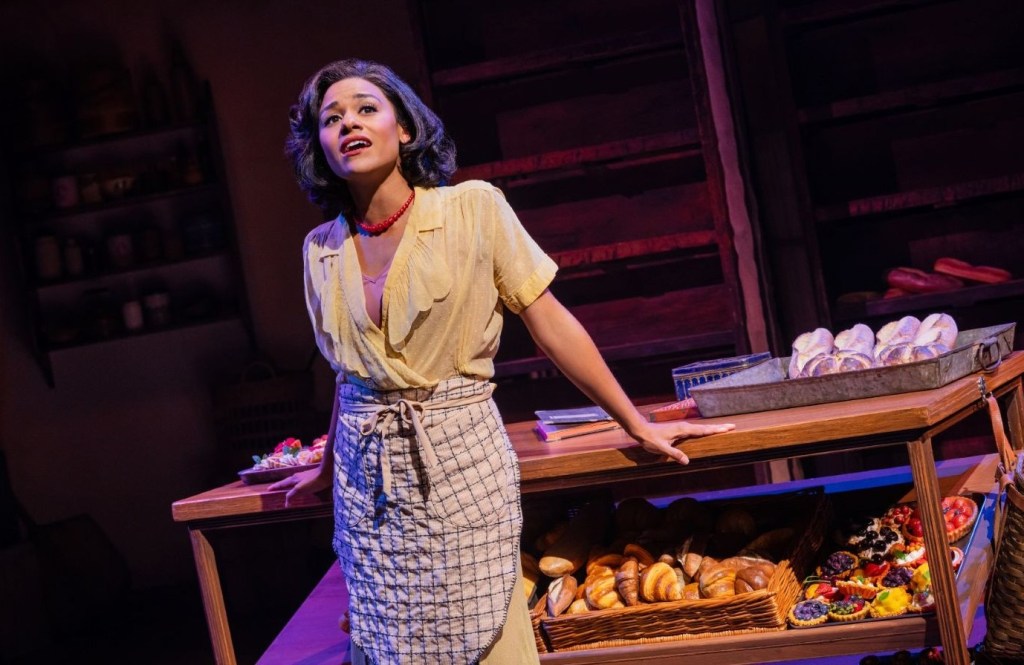
This revival of the 1976 misfire has two starry headliners in Scott Bakula and Ariana DeBose, and it has an incredibly popular lyricist and composer in Stephen Schwartz, who will, this fall, separately and not coincidentally open The Queen of Versailles on Broadway and Wicked: For Good in cinemas. This revival has, as well, a mildly attractive supporting cast, led by Kevin Del Aguila, Judy Kuhn, and Sally Murphy, and it has mildly attractive commercial producers, led by David Babani, Aaron Glick, and Creative Partners Productions. But does it have a point? Or a purpose? Or a particular point of view? And is the musical even any good (i.e. well crafted and dramatically effective)? Perhaps after having worked on the piece for more than 23 years, director Gordon Greenberg has molded it into a tasty French morsel that demands to be seen, but I am not holding my breath.
The Baker’s Wife is being presented by Classic Stage Company, whose name and seasonal repertoire seem to embody the recent, accelerating descent, into meaninglessness, of the term “classic” – to the extent that the term “classic” had a venerable, distinguished, widely accepted meaning in the first place. Merriam-Webster defines classic as “a work of enduring excellence.” Oxford defines it as “of acknowledged excellence or importance.” And Cambridge defines it as “of a high standard and lasting value.” Think about that the next time you read the word in a post or an article, or hear it bandied about in an interview or conversation. (In fairness, Merriam-Webster does list more casual definitions, like “traditional,” “enduring,” and “historically memorable,” but even under such circumstances, the term continues to carry the connotation of greatness.)
Beau
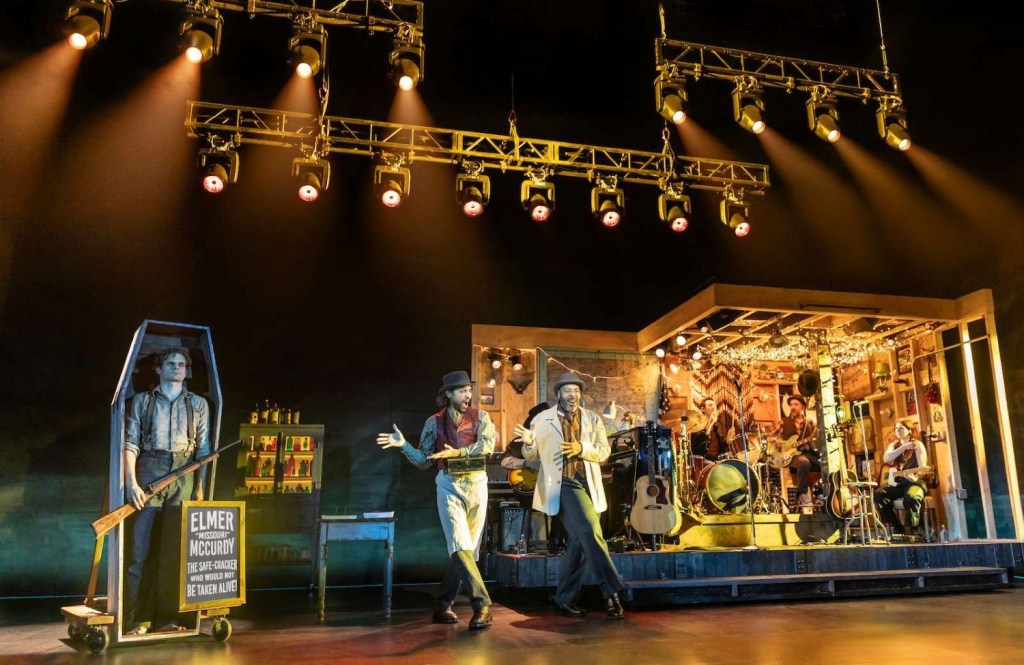
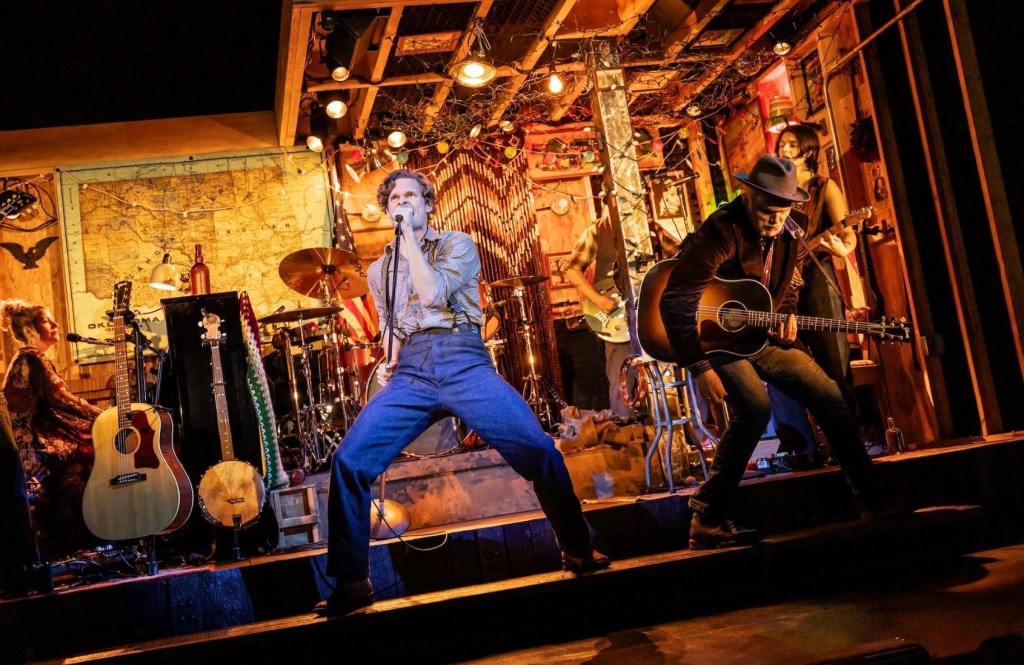
This new musical, by Douglas Lyons and Ethan D. Pakchar, was seen downtown earlier this summer, and it is a middling, sentimental affair with little in the way of distinction, originality, or skill. It might have been so much more, especially given its valuable, if familiar, concert-flashback conceit, and despite the largely predictable nature of its gay-themed coming-of-age story. But blandness and convenience prevail, and I highly doubt any meaningful changes will be made, to the material or the production, prior to the musical’s commercial run – for which lead producer R.K. Greene has nonetheless made three strong choices: the collage art, the aging of the production photos for promotional purposes, and the positioning of St. Luke’s Theatre on 46th Street as the Distillery, the Nashville bar that provides the primary setting for the show. (See my abbreviated review of the Out of the Box Theatrics production of Beau.)
Two particular items of intrigue, concerning the return of Beau, are Matt Rodin, who headlines the production, and Jeb Brown, who reinhabits the title character – a secondary role – after having missed the downtown run. Will the former, a modestly likeable actor with a strong voice, develop into a commanding, full-bodied performer, detailing, radiating, and internalizing the country-music star he portrays. And will the latter deliver a performance that matches or even exceeds the excellent performance he gave in Dead Outlaw? I have followed Brown’s career with interest since first seeing him in Ring of Fire (2006). He is an eminently talented actor, but has rarely ignited – or had the opportunity to ignite – the stage upon which he is appearing.
Bull Durham
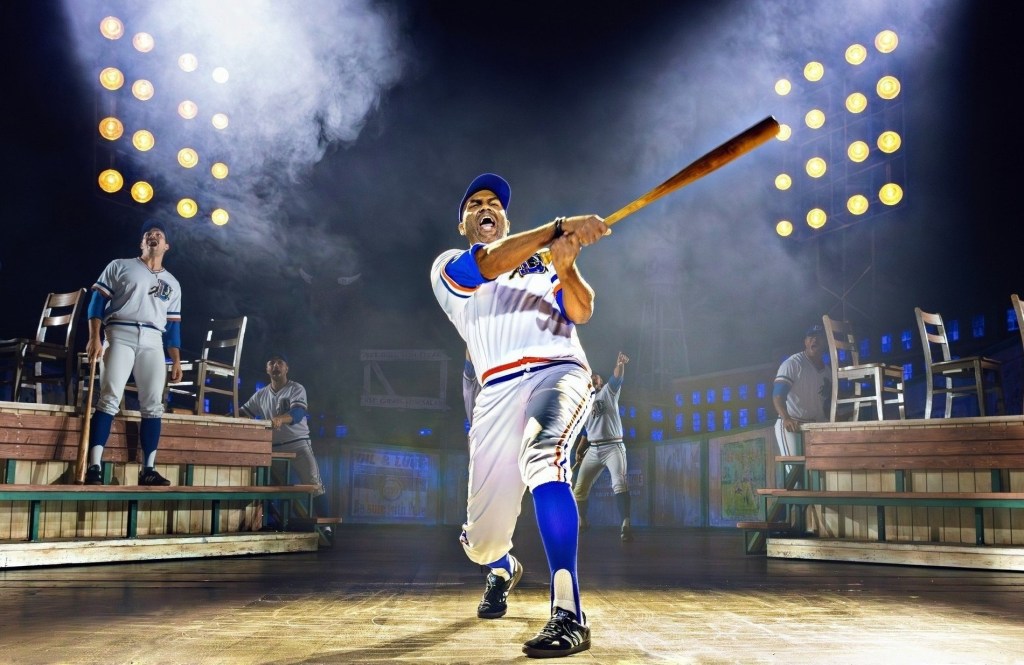
This poor musical, based on the 1988 film, has been kicking around for more than a decade, and, strangely, it finally feels interesting. Lauren Kennedy is producing, after having resuscitated the long-dormant property last year with a two-week run at Theatre Raleigh. Marc Bruni is directing, and he is surely capable of giving the piece a slick staging, hopefully, in the process, excavating each moment dramatically, and imbuing the production with a distinct look and feel. Joshua Bergasse is choreographing, and he is surely capable of surpassing his generally unsatisfactory past work. Plus, his most recent theatrical exhibition, Smash, revealed flashes of choreographic individuality and excitement. Alejo Vietti is designing the costumes. August Eriksmoen, who did wonderful work on Bright Star (2016), is creating the orchestrations. Carmen Cusack leads an intriguing cast. And the artwork, for the upcoming Paper Mill Playhouse run, is sharp and attractive.
My biggest concerns – by no means small – are the book, by screenwriter Ron Shelton, and the lyrics and music, by singer-songwriter Susan Werner. Will they be well-crafted and distinctive and theatrical, and steeped in story and character? Will they realize a vibrant, individual world – and corresponding language – in which baseball feels an intrinsic part? Will they provide a clear, unshakable reason why this story, originally written for the screen, needed to be translated to the stage? And musicalized? And will the story, set in the 1980s, prove relevant and involving, without social items haphazardly inserted simply for the sake of the current times? I greatly look forward to finding out, albeit with a tinge of trepidation.
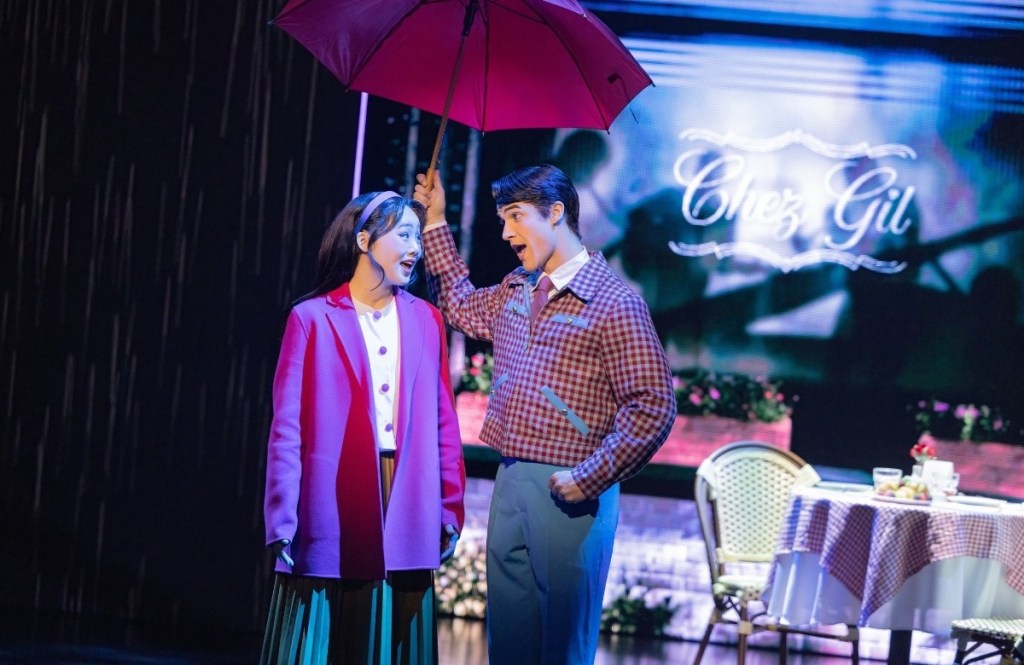
Ceilidh
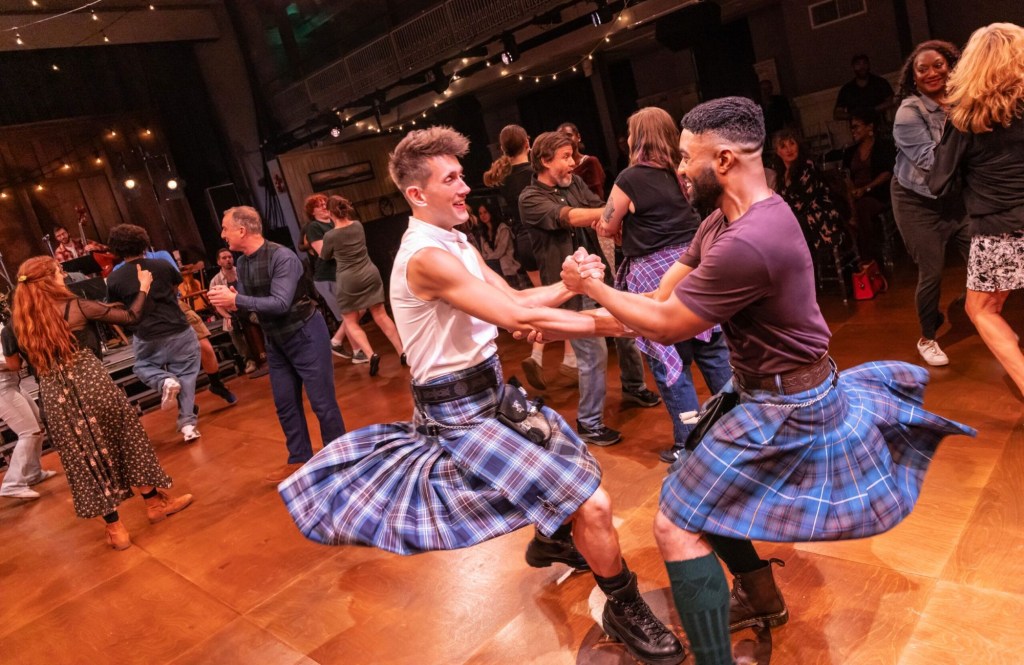
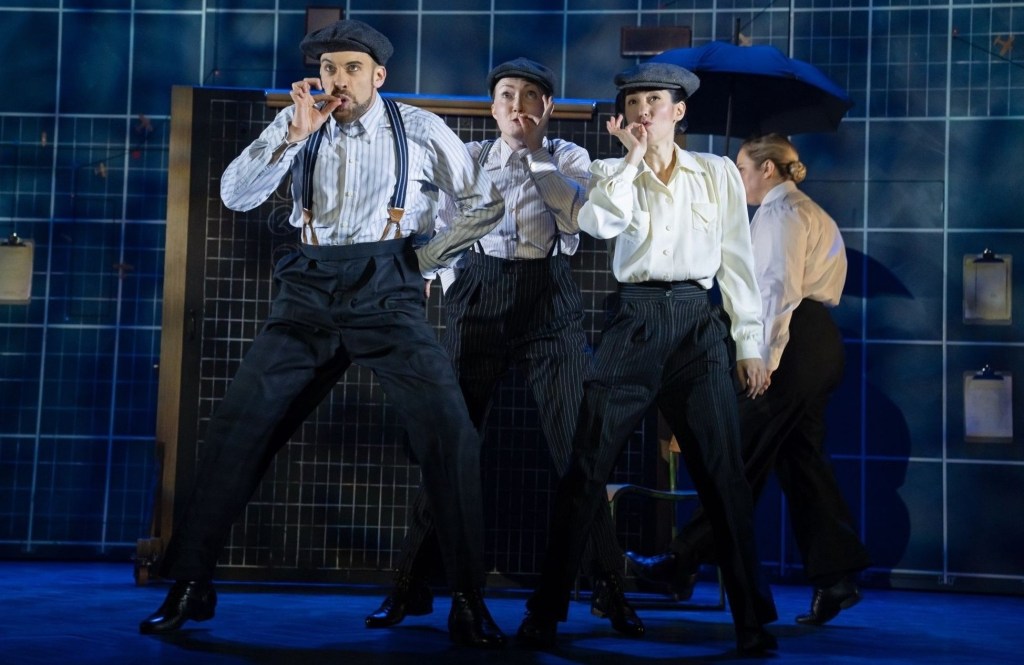
This new musical, by Scott Gilmour and Claire McKenzie, has just begun an out-of-town engagement in Baltimore after having received a workshop production at Scotland’s Cottiers last year. The title is pronounced “kay-lee,” and the term is defined, by the production, as “a traditional Scottish social gathering involving dancing, music, and storytelling.” The musical, presided over by a caller and a folk band, is deeply intriguing, and I am especially interested to see whether or not the communal dancing has been skillfully, effectively, and purposefully woven into the drama; if the material has a distinct, individual character; and if the production does as well.
Ceilidh is being directed and choreographed by Sam Pinkleton, who has not, in Amélie (2017), Here We Are (2023), or Natasha, Pierre, and the Great Comet of 1812 (2016), shown himself to have a special affinity for the musical stage. I wish I had seen his production of Head Over Heels (2018) at Pasadena Playhouse, and I hope that Ceilidh will find him in his element. And that the musical will develop into a swirling theatrical affair. The presence of Sarah Laux on the creative team certainly bodes well, for the unassuming costume designer has a terribly strong track record, artistically and or commercially.
Chess
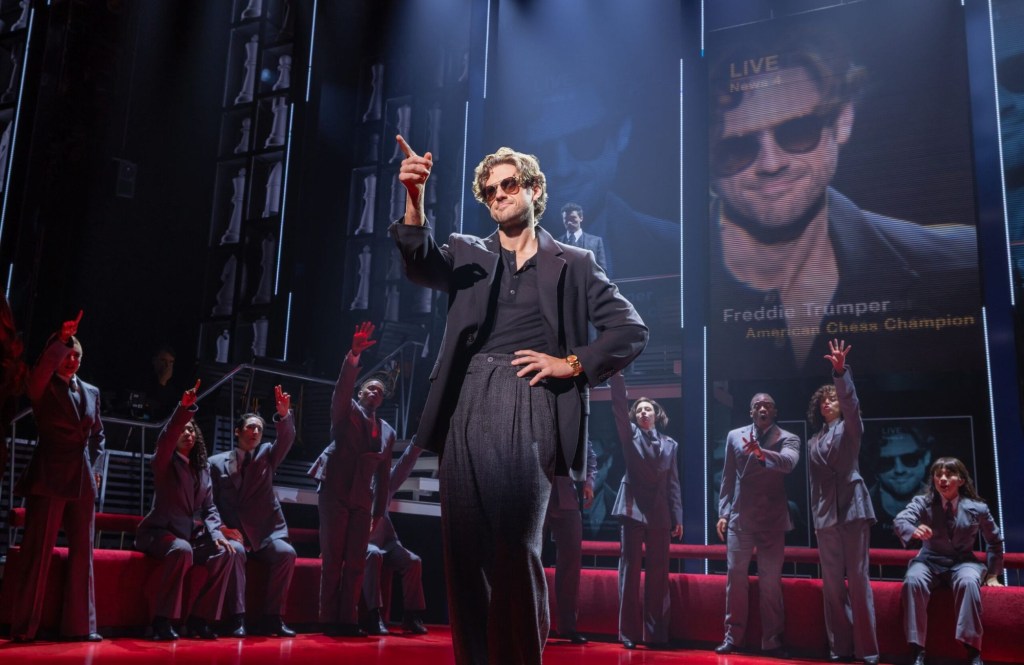
This new production of the poorly written 1988 musical has a new book by Danny Strong – which will almost certainly mean absolutely nothing, in terms of dramatic effectiveness, if the wretched lyrics, by Tim Rice, and the pop-infused music, by Benny Andersson and Björn Ulvaeus, have not been similarly addressed. Michael Mayer is an exceptional director, but Chess gives the impression of a trainwreck – due, in part, to the casting, with Mayer and his leading lady, Lea Michele, having just wrapped up CPR on the revival of Funny Girl (1964). Plus, Aaron Tveit. And the marketing. And the fact that the musical, built upon an intriguing idea, will be playing the same theatre in which it flopped 37 years ago.
Even the three promotional recordings signal disaster, though “Where I Want to Be” is, strictly from a musical standpoint, especially strong, even, from time to time, exciting and distinctive, specifically disregarding the lyric and the vocal performance. “One Night in Bangkok” is, strictly from a musical standpoint, moderately effective, with a palpable pulse and intermittent moments of interest, occasionally stimulating. And “Someone Else’s Story” is shockingly poor, through and through; a languid travesty seasoned with thoughtless, wordless vocalizing – note the dramatically incoherent breath at the 35-second mark – and capped off with a confusing finish. (Brian Usifer, late of Swept Away, is the show’s music supervisor.) Relatedly, I should note that I do not, as a general rule, listen to any songs or song samples from a (new) musical prior to taking in the production. But, being already familiar with the score for Chess…
Nonetheless, one certainly hopes for the best with this pseudo-revival, and I am politely disregarding the battery of additional questions that must be asked of the same – which Tveit says is “still evolving.” His comment, among others made by the cast and creative team, can be found in a recent Vanity Fair puff-piece whose headlines and first paragraph, in particular, offer a prime example of the sort of sensationalized and, to an extent, willful ignorance that many or most theatre artists and culture writers are regularly serving the public – which is, no doubt, contributing to the preponderance of onstage mediocrity and the acceptance and celebration of the same.
Damn Yankees
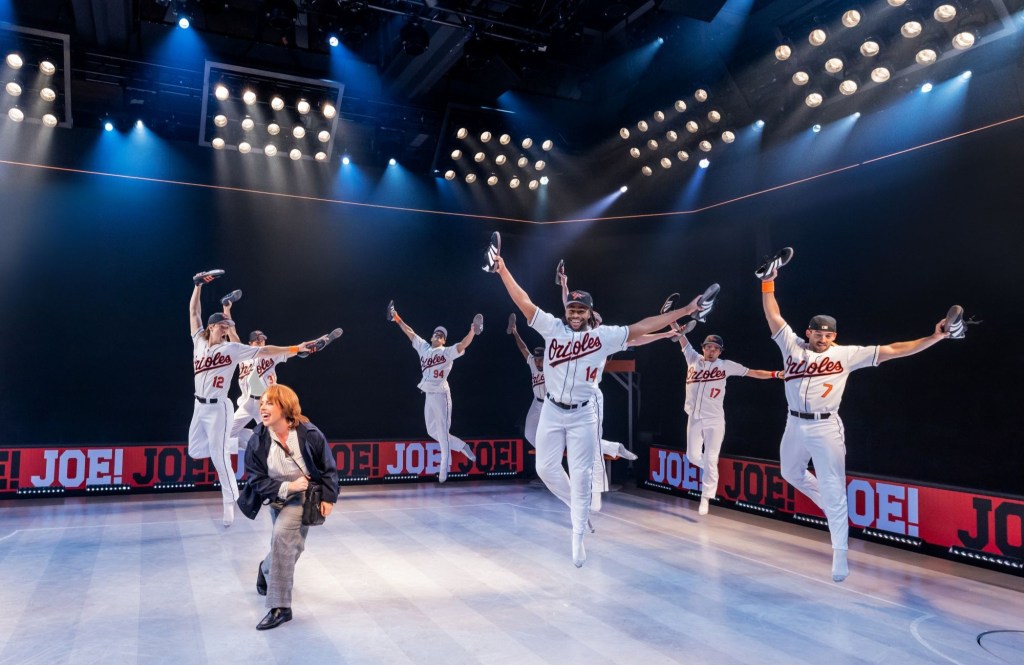
This new production of the 1955 musical is drowning in mixed messaging, perhaps as a result of an unclear point of view. Producers Julie Boardman and Haley Swindal are advertising the piece, rather questionably, as “one of America’s most beloved musicals,” at the same time their director, Sergio Trujillo, is calling it “sexist,” “misogynist,” and “unreproducible.” (He thinks “that’s just how shows were made” in the 1950s.) Plus, Will Power and Doug Wright have written a new book, Lynn Ahrens has written new lyrics, and the piece has, in the process, been given a new time period, a new locale, a new strand of story involving race, and a new sports team, with the Baltimore Orioles replacing the Washington Senators. Thus, the musical now in performances at Arena Stage is not even the same sexist, misogynist, unreproducible musical supposedly beloved by America.
The principal cast reads, collectively, as unremarkable. Trujillo, late of Real Women Have Curves, has not shown himself to be an especially skilled or exciting director or choreographer. The publicity photos, taken at Nationals Park in Washington, DC, are dull and characterless. And what of the score, supervised by David Chase and Greg Anthony Rassen? Will its sonic vernacular be adapted or rearranged to speak to the show’s new 21st century setting? Will its lyrical vernacular? Will its sonic and lyrical vernaculars even need to be? And will Boardman & Co. make a clear, thoughtful, and winning argument for ‘modernizing’ the musical, which has acquired some artistic mothballs in the decades since its debut, rather than creating an entirely new musical based on the somewhat musty original?
The situation is bizarre – but bizarre to the point of being interesting. And I can see a scenario in which this second-string oddity emerges as an impossibly exciting, impossibly fresh entertainment – which will presumably require everyone to be at their most expert and inspired, and to share the same point of view. And new publicity photos, with flavor and polish, would not hurt.
The Great Emu War
Paul Hodge and Cal Silberstein have penned this intriguing new piece based upon a real-life military operation conducted in Western Australia in the early 1930s. The subject would seem to be ripe for a crackly musical comedy treatment, and one hopes that the piece will be skillfully done. Amy Anders Corcoran is directing the upcoming production at Goodspeed, and she is on my watchlist, following her work on Senior Class at Olney Theatre Center.
Huzzah!
This new musical comedy is built around a Renaissance Faire, and the idea is acceptably jocular. But the authors are Nell Benjamin and Laurence O’Keefe, whose combined past projects include Heathers (2014), Legally Blonde (2007), and Mean Girls (2018), not one of which is a topdrawer entertainment. I hope, as such, that Huzzah! will find the pair punching above their weight, because the subject and the setting would seem to be filled with a wealth of theatrical possibilities. The show begins its world premiere engagement at the Old Globe Theatre in San Diego tonight, with direction by Annie Tippe.
In Clay
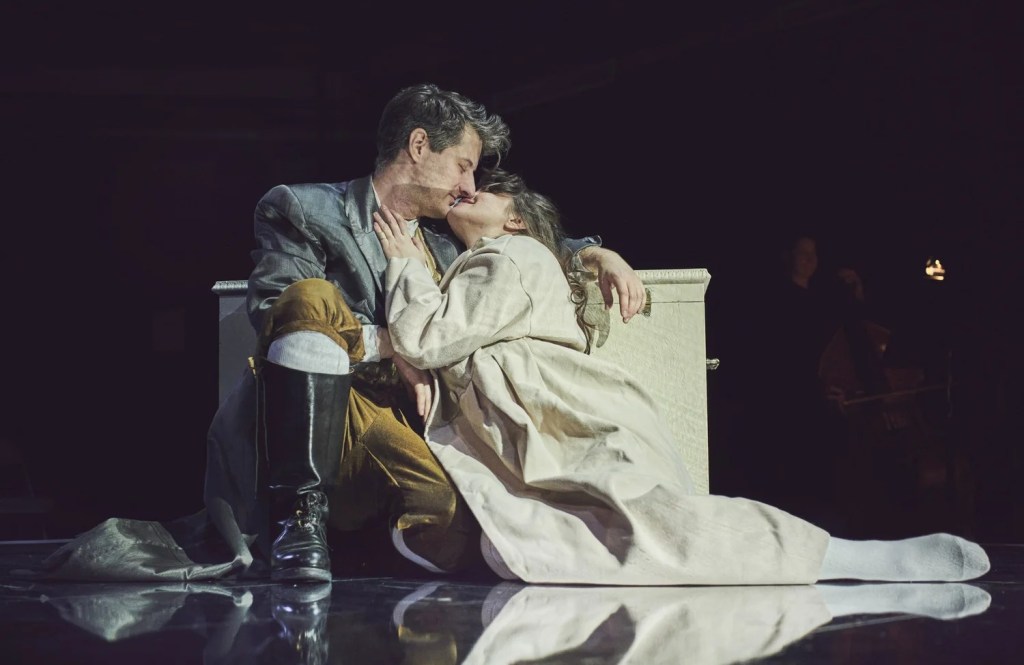
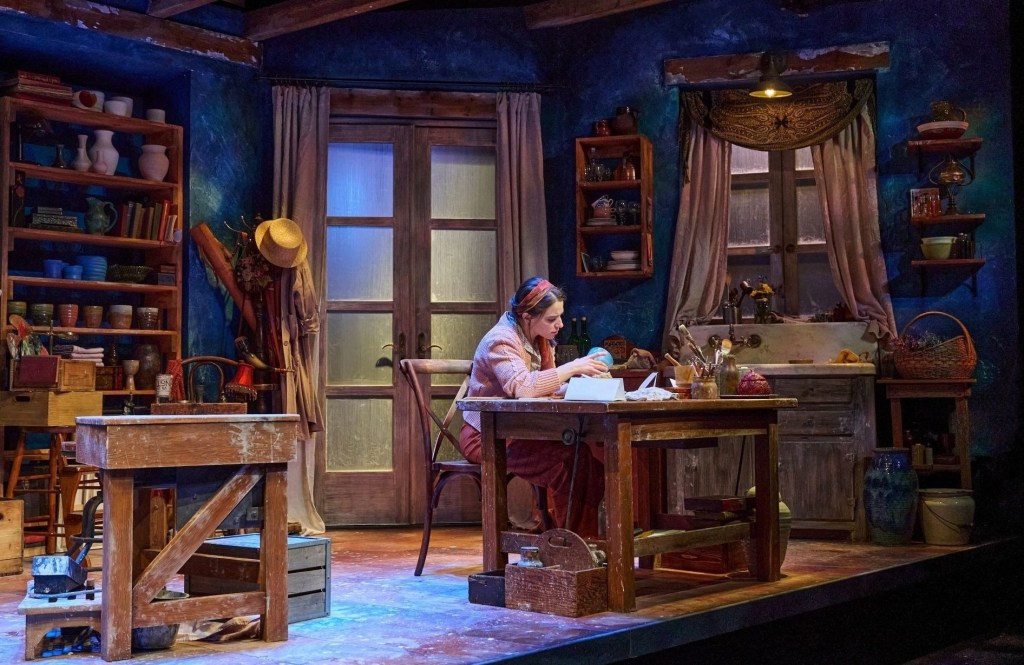
This intriguing one-actor musical, by Rebecca Simmonds and Jack Miles, is based on the life of French painter and ceramist Marie-Berthe Cazin. It unfolds in Paris in the 1930s, as Cazin awaits the arrival of an estranged friend, and its music is steeped in mid-century jazz. I encountered a sampling of the piece last year at NAMT’s Festival of New Musicals, and it piqued my interest. I look forward to encountering the full piece this winter at Signature Theatre outside Washington, DC. One hopes that the authors, beyond having found a seemingly potent and profitable inciting incident, have vigorously thought through the entirety of their piece, such that their central figure demands to hold the stage by herself for the entirety of the run time, and such that every moment is motivated, earned, and dramatically active, revealing, in combination, a detailed personal portrait with multiple hues.
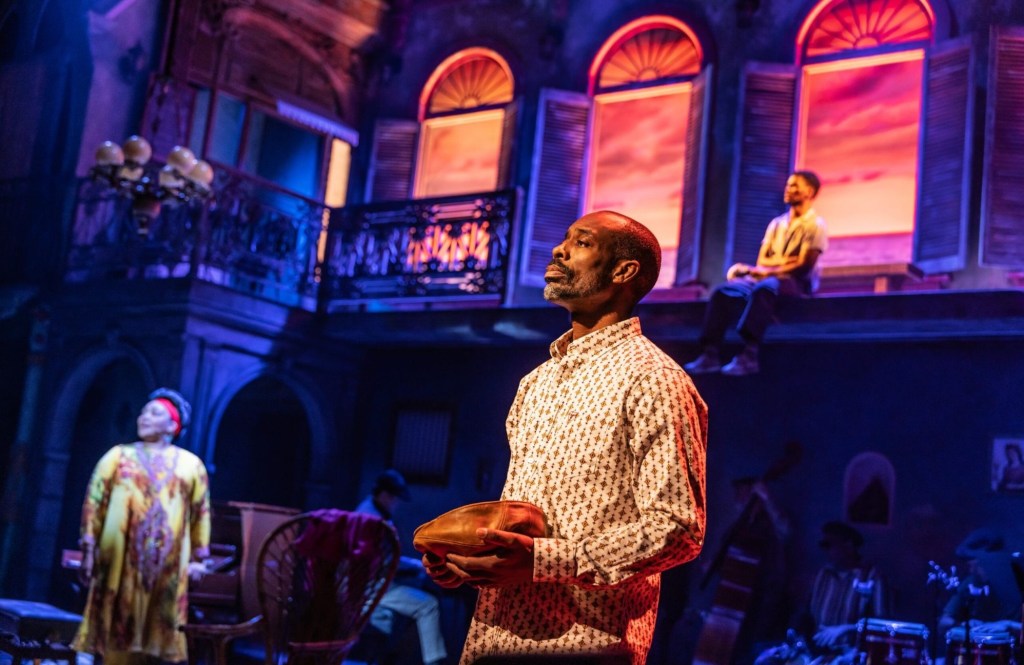
Mexodus
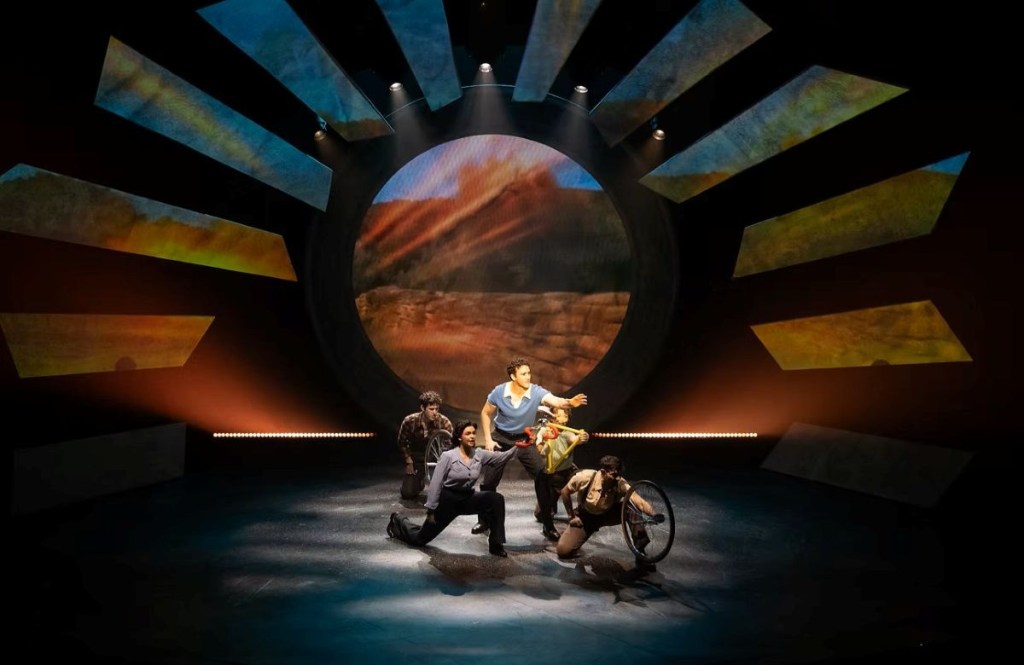
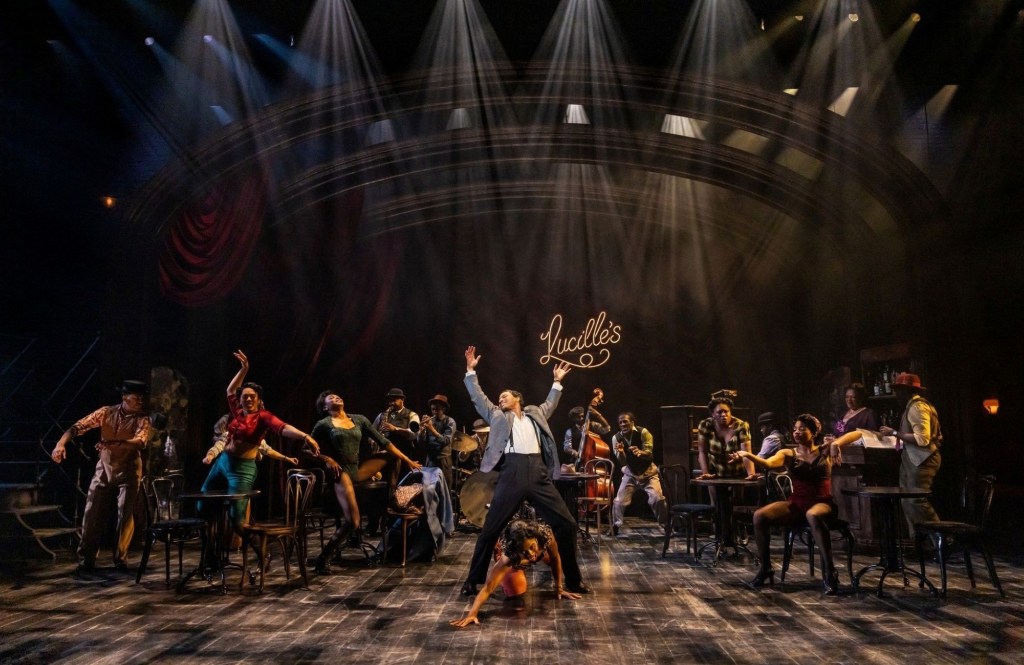
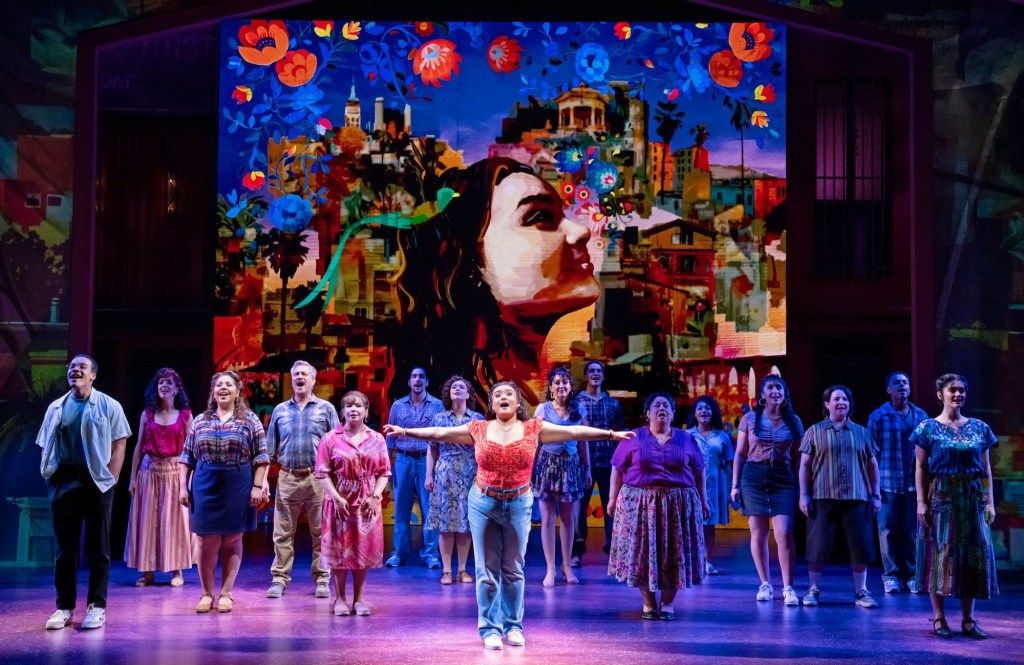
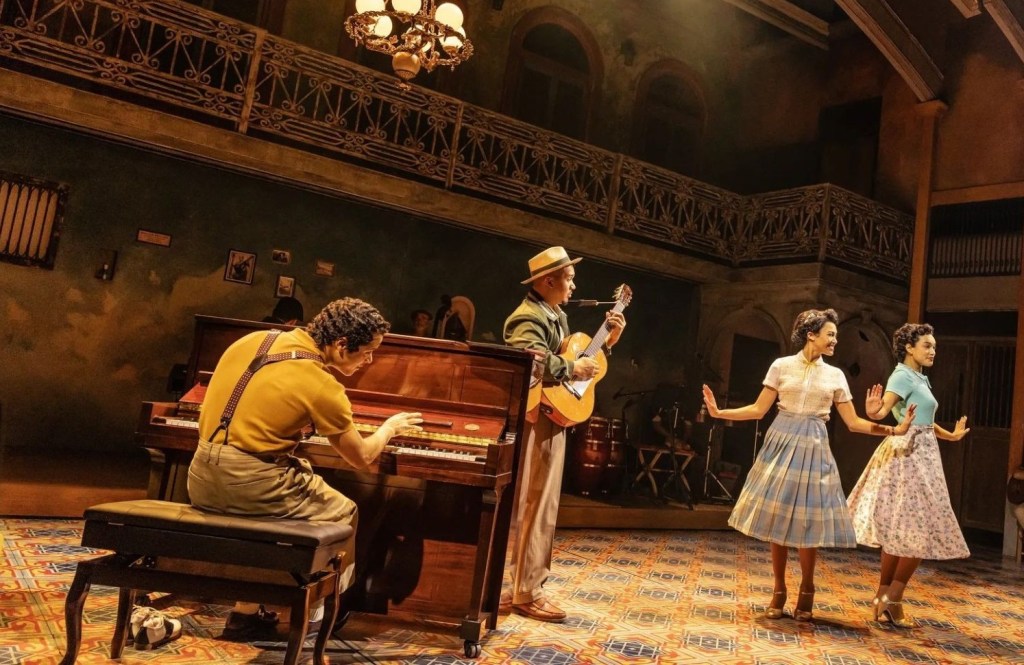
This live-looped, two-actor musical, about the underground railroad leading to Mexico, has the makings of something fresh and exhilarating – though, to be clear, live-looping is not new to the musical stage. Mexodus is written and performed by Brian Quijada and Nygel D. Robinson, with direction by David Mendizábal, and I will be especially curious to see if the creative threesome has deliberately, seamlessly, completely integrated the live-looping into the dramatic action, such that the process of looping registers as an intrinsic part of the piece, of the narrative, of the individual character of the show, to the extent that the show has an individual character; or if the live-looping is merely a gimmick, disconnected from the storytelling. Mexodus is being presented at the Minetta Lane Theatre by Audible and P3 Productions, and SpotCo has done a swell job with the musical’s visual packaging.
Mythic
This new musical, by Marcus Stevens and Oran Eldor, looks suspiciously juvenile, and it has a major detractor in director and choreographer Kathleen Marshall, a master of professionally polished mediocrity. (I saw the first Broadway show she choreographed, I have seen most of the ones since, and I have little interest in seeing any more.) But Mythic has a strong design team, led by Linda Cho, David Korins, and Kenneth Posner, and perhaps it will turn out to be one of those sensational surprises. I would certainly welcome that. And a word must be said for actor Michael Park, whose work I similarly started to encounter more than 25 years ago. His would-be showstopper in the poorly done 1998 revival of Little Me (1962) was less than stellar, but his work in recent years, including Redwood, has been especially enjoyable.
Oratorio for Living Things
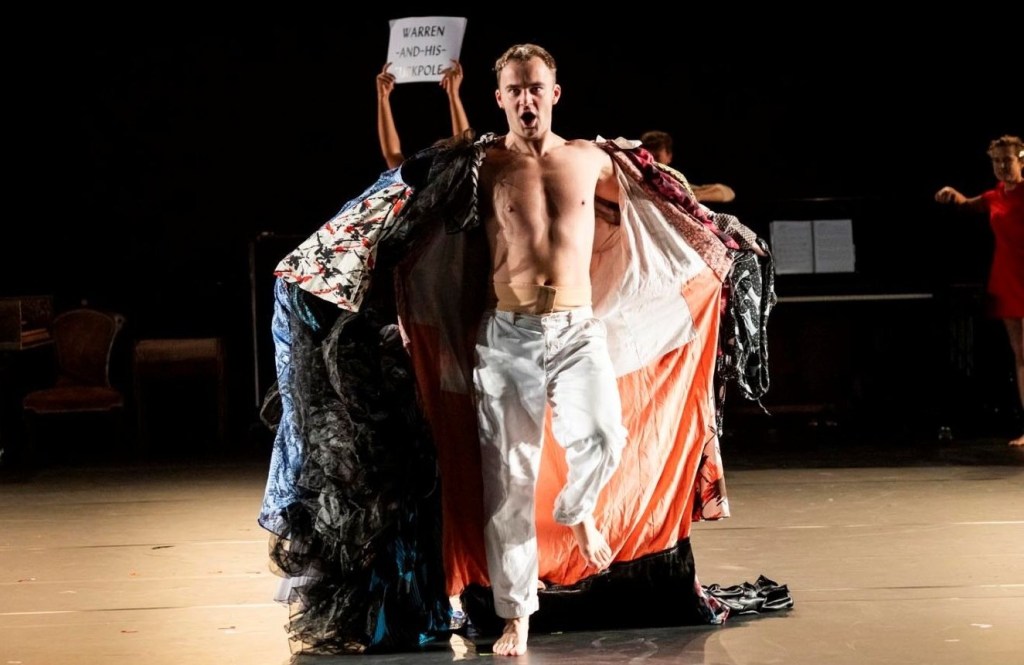
The two women behind this hotly anticipated affair are high atop my watchlist. Heather Christian, in particular, is a lyricist and composer with a wonderfully individual and exciting voice. That said, her ability to craft dramatically effective stage lyrics is questionable. But, perhaps fortuitously, her questionable lyric-crafting ability may not matter with a non-narrative, music-centered project like Oratorio for Living Things. Nonetheless, I am anxious to evaluate her sung words for this fabulously curious theatre piece, previously seen, not by me, at Ars Nova. Lee Sunday Evans, meanwhile, is an intriguing director whose projects, including the live-looping musical In the Green (2019), tend to be some manner of offbeat. Christian and Evans collaborated earlier this year on the terminal Arena Stage production of A Wrinkle in Time, and one hopes that Oratorio for Living Things will be infinitely, as they say, better. The piece begins a limited Off-Broadway engagement at Signature Theatre at the end of this month.
The Queen of Versailles
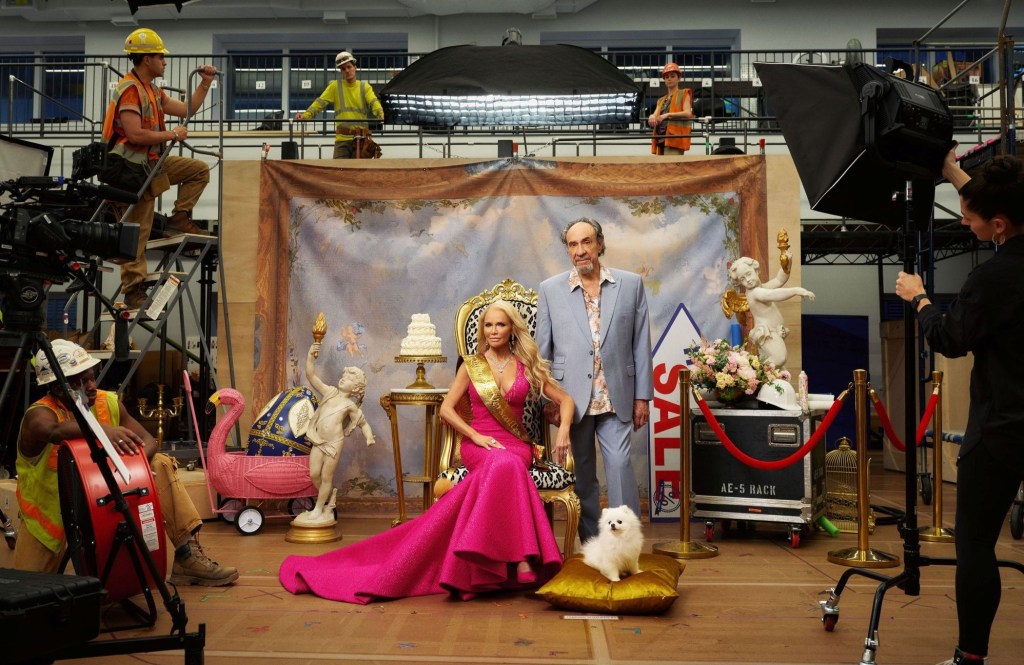
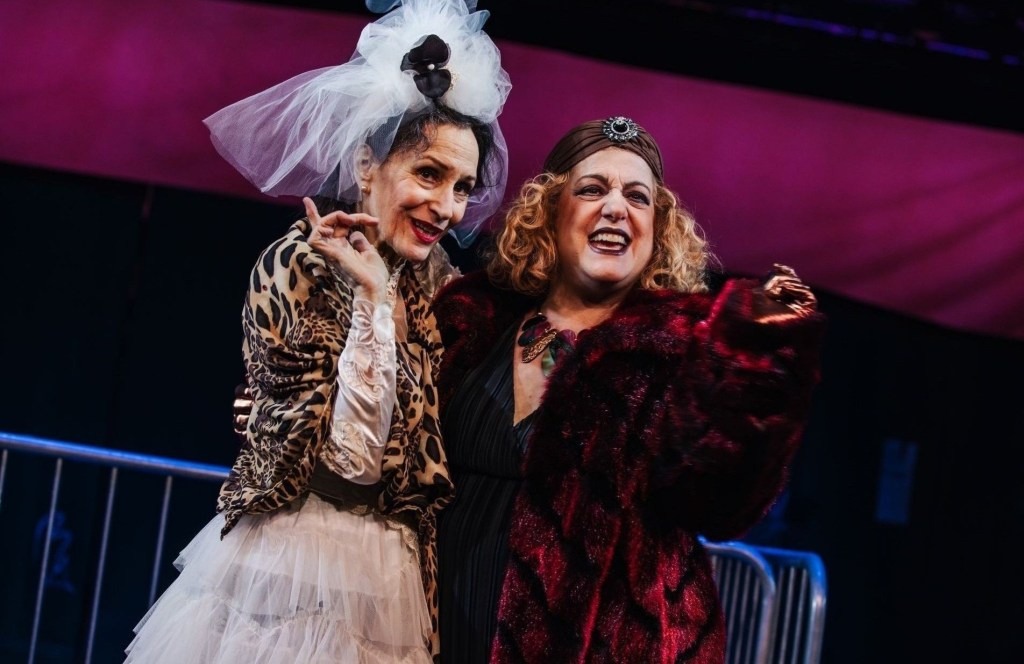
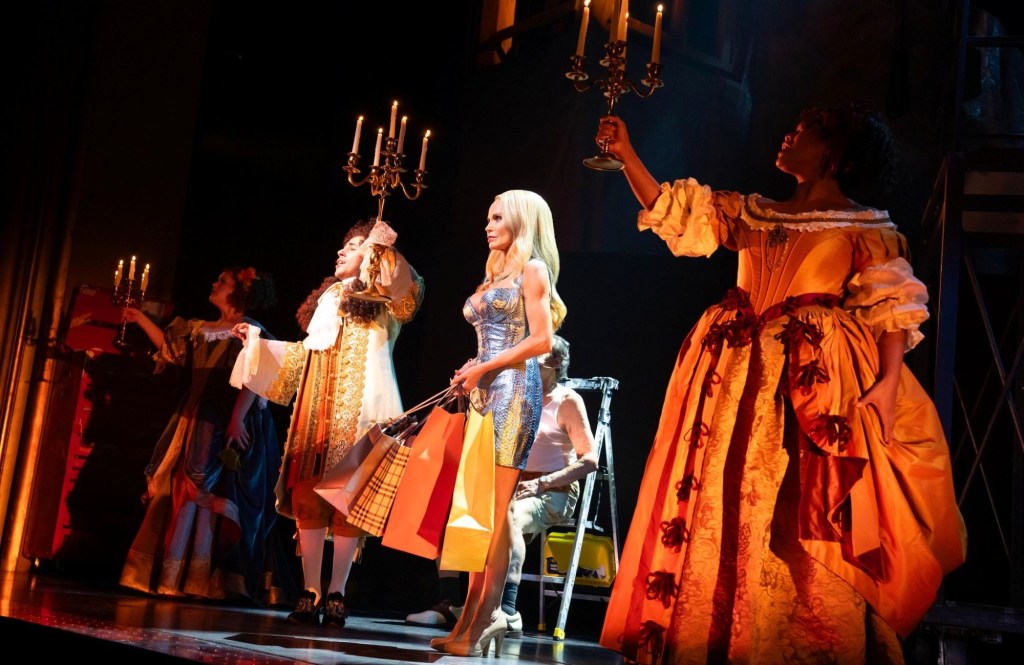
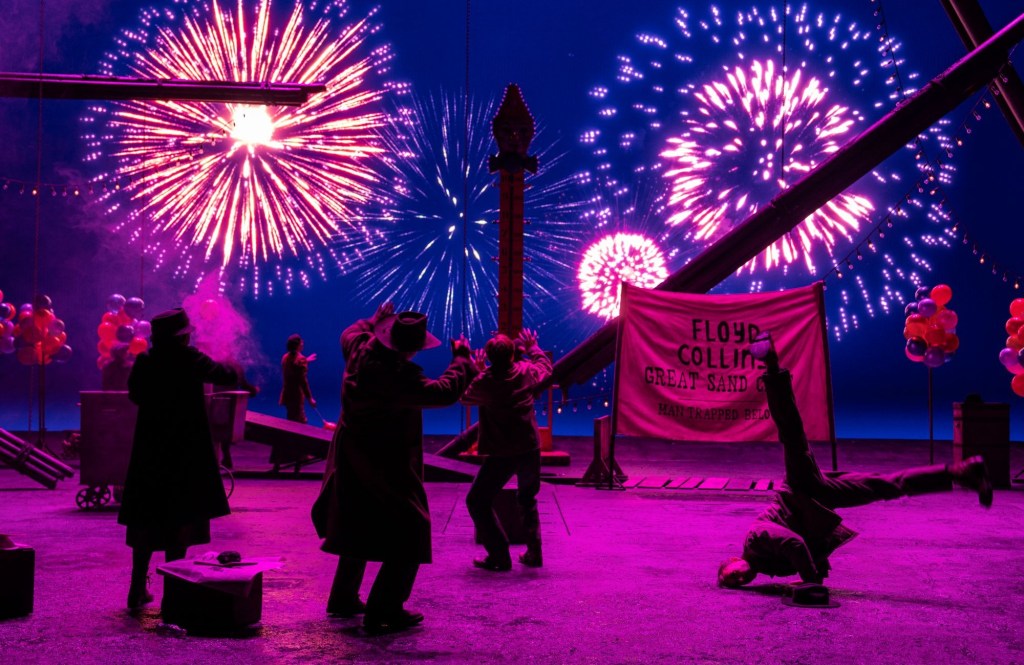
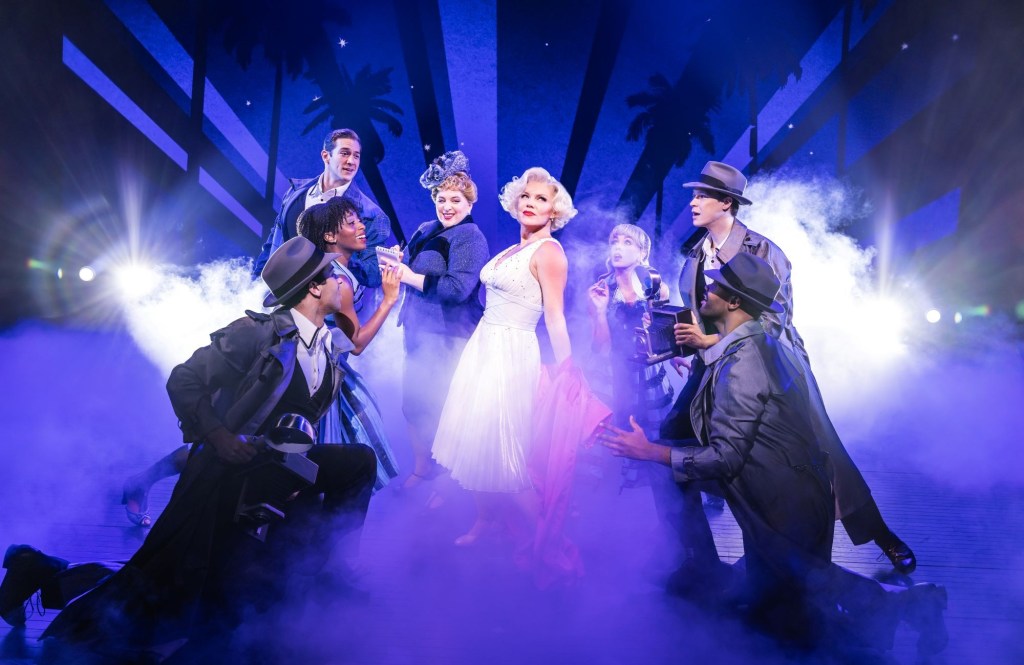
This new musical is based on the 2012 documentary about Florida power-couple Jackie and David Siegel, and it looks dreadful. Lindsey Ferrentino is penning the book, Stephen Schwartz is penning the score, and Michael Arden is directing – which automatically puts the musical in jeopardy, given his relative success in recent years, especially with Maybe Happy Ending and the 2023 revival of Parade (1998). Kristin Chenoweth, a radiant Broadway star, is headlining the lavish affair, and I was lucky enough to see her topflight performances in The Apple Tree (2006), On the Twentieth Century (2015), and You’re a Good Man, Charlie Brown (1999). Even Epic Proportions (1999) found the pint-sized diva delivering moments of joy. (“Papa was killed when the glacier moved.”) But the most interesting thing, on paper, about The Queen of Versailles is Chenoweth’s standby, Sherie Rene Scott. And audiences have, at present, only four opportunities to catch her.
Ragtime
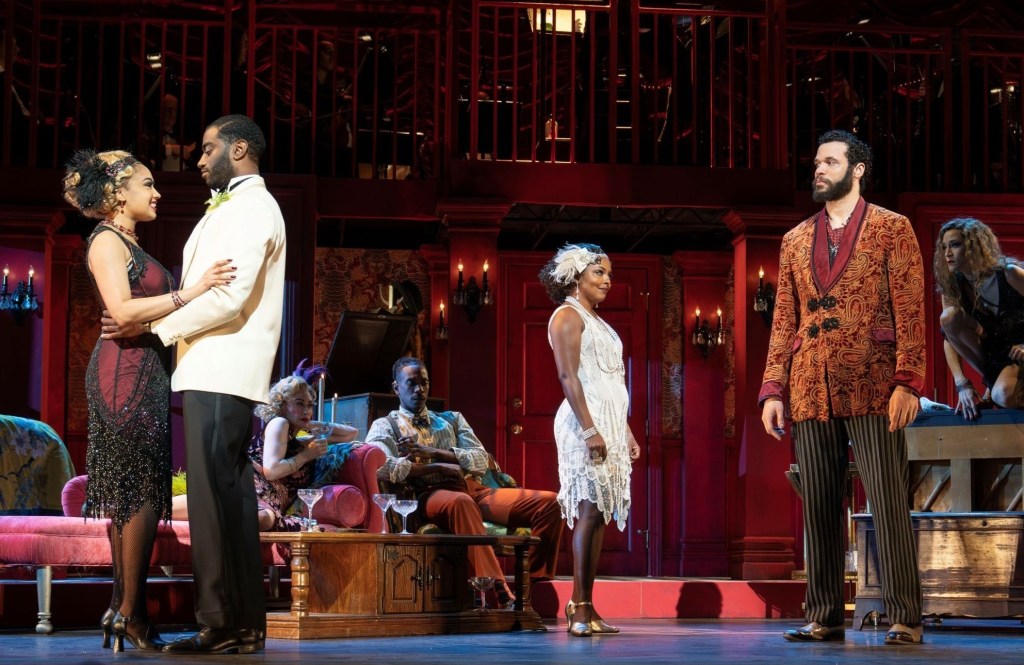
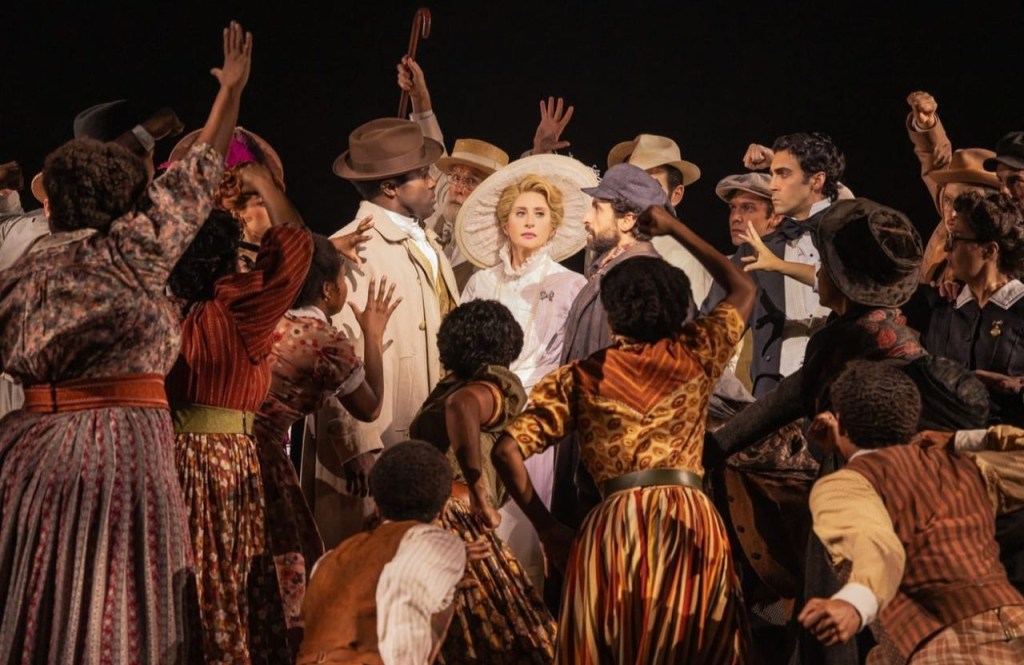
This Lincoln Center Theater revival of the elegantly written 1998 musical will inaugurate the tenure of artistic director Lear deBessonet, who helms the production. Since I did not see any of her concert productions during her controversial tenure as the artistic director of City Center’s Encores! series, I will be especially interested to see whether or not she has any sort of feeling for the musical stage.
Two additional items of particular interest, concerning the revival of Ragtime, are cast members Shaina Taub and Brandon Uranowitz. Taub often seems to be touted as a megawatt talent, both onstage and off, but her work on Suffs, both onstage and off, did not reflect that – which does not negate the importance of the American history that the musical covered. But important coverage does not, in and of itself, make a musical or a performance well done. So, will Taub’s portrayal of Emma Goldman in Ragtime reveal a stronger basis for the tout? Uranowitz, meanwhile, is a dynamite performer, and his portrayal of Tateh is one of the only things to which I am looking forward in this new production. But I expect, of this new production, to be happily shocked. And hopefully captivated.
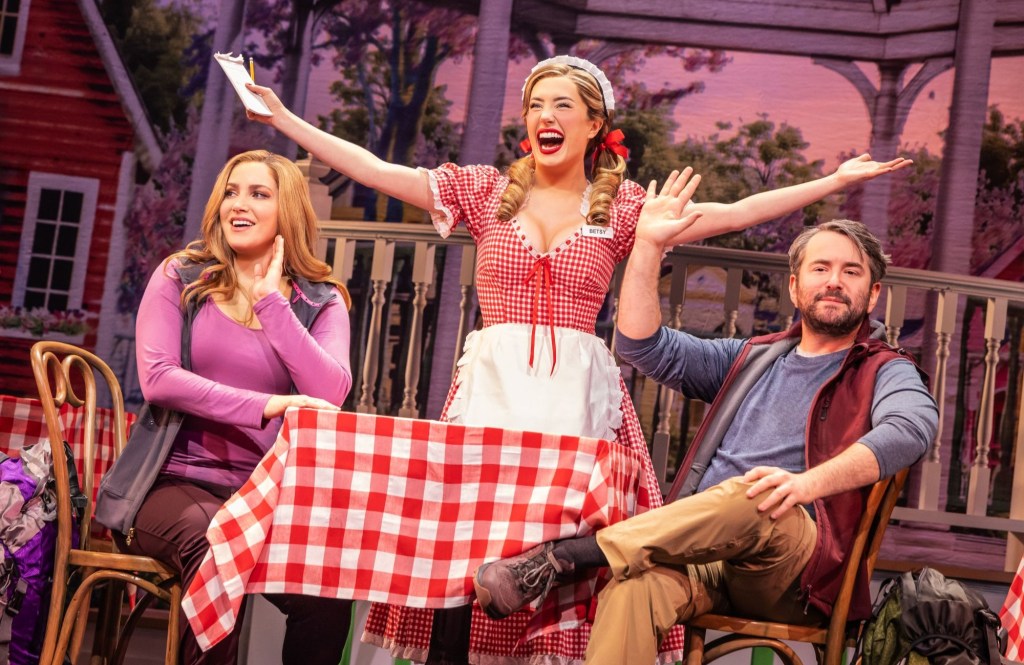
Romy and Michele
Might this new musical comedy, based on the 1997 film, become the sleeper hit of the fall season – and at the dreaded Stage 42 no less? The ad campaign, crafted by Serino Coyne, is surprisingly classy and surprisingly appealing. The principal cast is surprisingly enticing – writes one who has never been a fan of Laura Bell Bundy or Kara Lindsay. And, surprisingly, the musical’s world premiere, at Seattle’s Fifth Avenue Theatre in 2017, exceeded my exceedingly low expectations – which does not mean it was expertly crafted or even well done.
Romy and Michele has a book by Robin Schiff, lyrics and music by Brandon Jay and Gwendolyn Sanford, and direction by Kristin Hanggi, all four of whom were involved with the show in Seattle. Karla Puno Garcia, a talented choreographer, is new to the creative team, and she should be a very strong addition. Will it be clever? Will it be funny? Will it be fun? Will it be a resolutely theatrical affair that stands, distinctively, separate and apart from its cinematic source material? Will it be characterful and inventive and well crafted and well told? I am, oddly, looking forward to Romy and Michele – even though my hopes are almost certain to be dashed.
Saturday Church
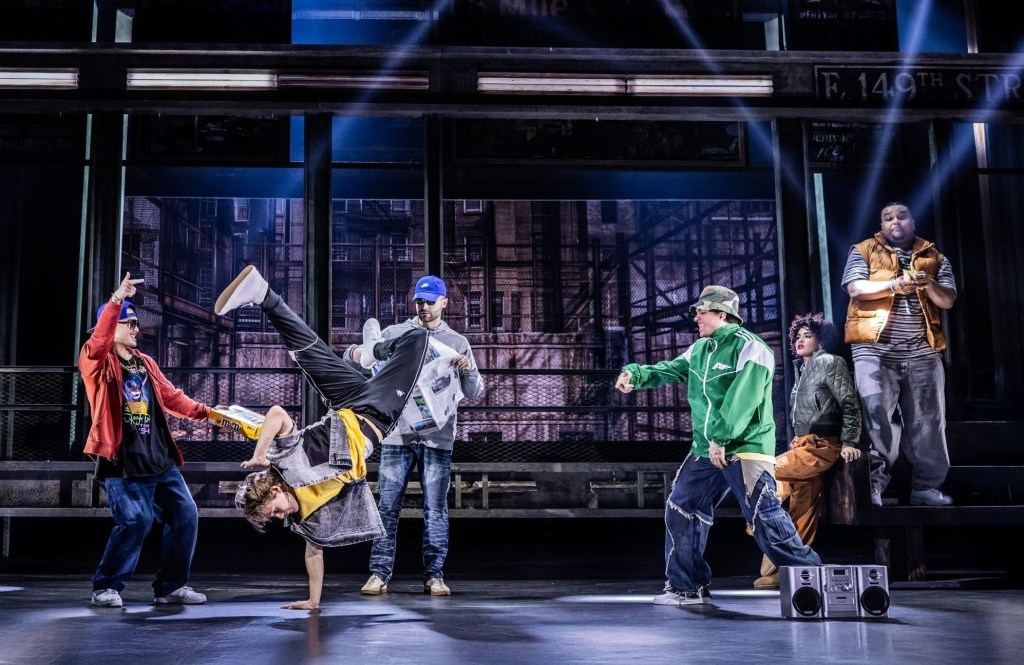
This new musical, based on the 2017 film, is the work of Damon Cardasis, James Ijames, Sia, and Honey Dijon, and it is being directed by Whitney White. Not one of these individuals has a notable track record on the musical stage – at least not artistically. Yet, Saturday Church registers, on paper, as tremendously exciting: the story, the cast, the artwork, the inexperience and backgrounds of the writers, the inexperience and backgrounds of most of the music team, the excellent scenic designer, David Zinn, et al. One hopes that this incredibly promising queer fairytale will be taken seriously by its creators, in an effort to realize a exhilarating piece of theatre, and that it will not devolve into an expensive dance party, riddled with propaganda and deficient in craft, character, drama, and focus. Saturday Church opens an Off-Broadway engagement next week at New York Theatre Workshop, with Tim Levy and Cindy Tolan attached as commercial producers, and, for the record, I have not listened to the recently released promotional album.
The Seat of Our Pants
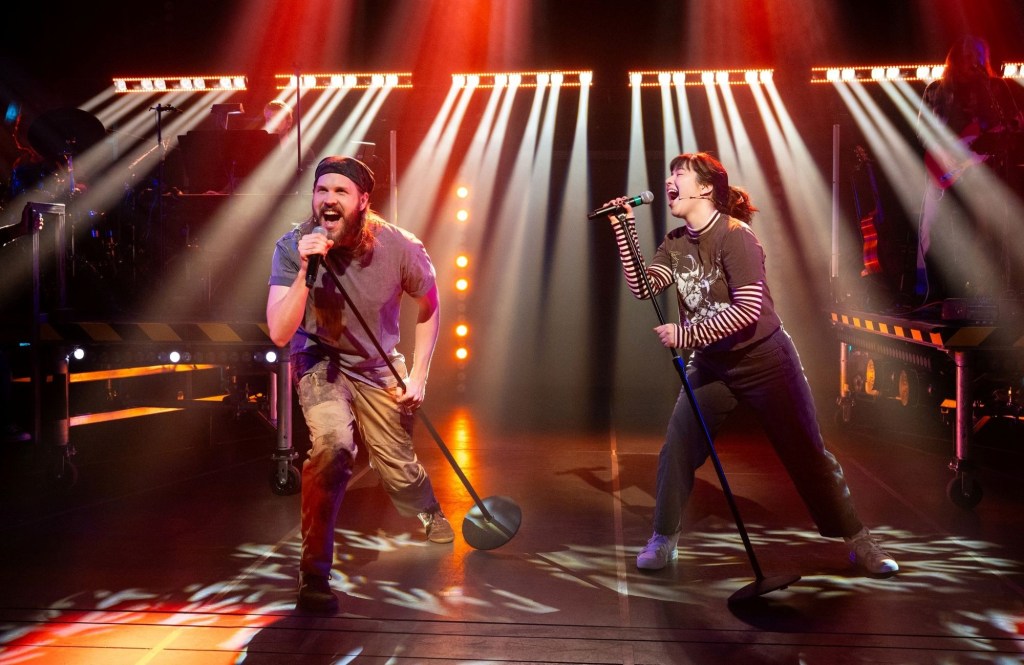
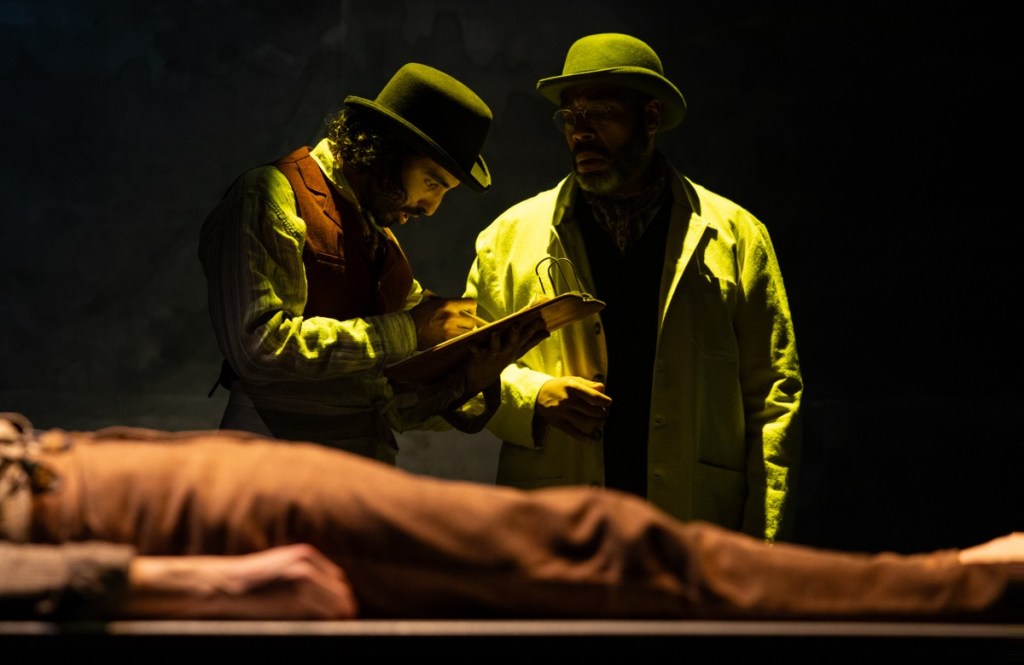
This new musical, set to premiere at the Public Theater, is based on the Thornton Wilder play The Skin of Our Teeth. It has a book, lyrics, and music by Ethan Lipton and direction by Leigh Silverman, and Silverman, in particular, has demonstrated, in her past work, almost no feeling for the musical stage. (Does anyone remember the 2016 revival of Sweet Charity?) Yet, The Seat of Our Pants radiates interest and excitement and intelligence and theatrical inspiration, and it has a strong cast led by two standouts: Shuler Hensley and Ruthie Ann Miles. My expectations are high, and will hopefully be met. Or even exceeded.
Soon
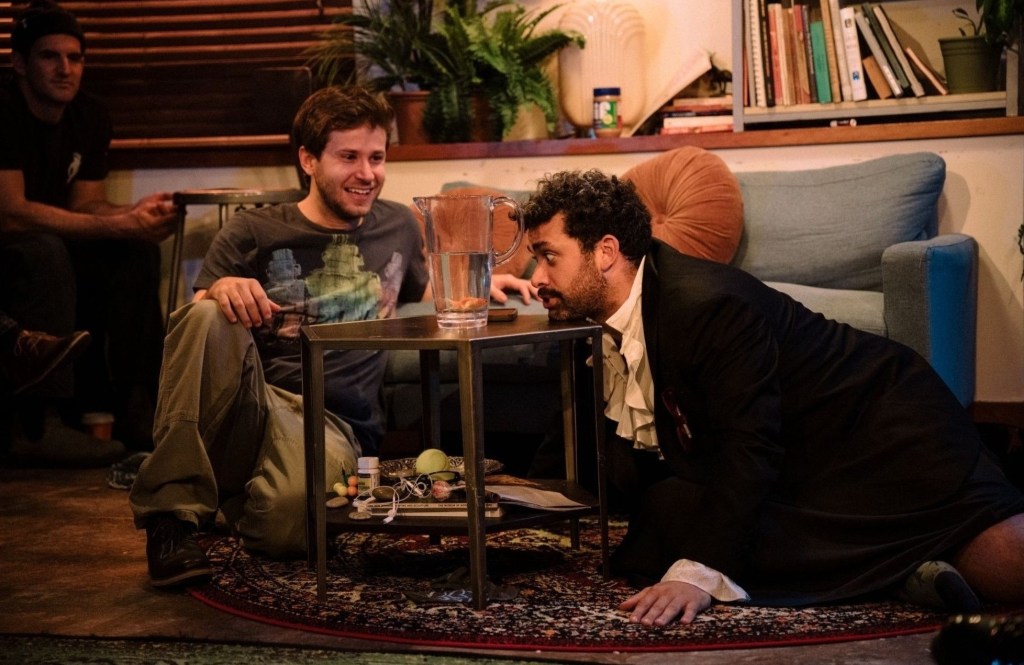
This new musical premiered at Signature Theatre outside Washington, DC in 2015, and it will play a two-week engagement at New York’s East Village Basement starting October 29. I am greatly looking forward to the intimate apocalyptic affair, principally because it has been written by Nick Blaemire, who harbors a smart, offbeat sensibility and a respect for craft. His incredibly promising stage adaptation of Safety Not Guaranteed was seen last season as part of the Next Wave series at BAM, and it will play an out-of-town engagement this spring at Signature, with direction by Oliver Butler.
The 25th Annual Putnam County Spelling Bee
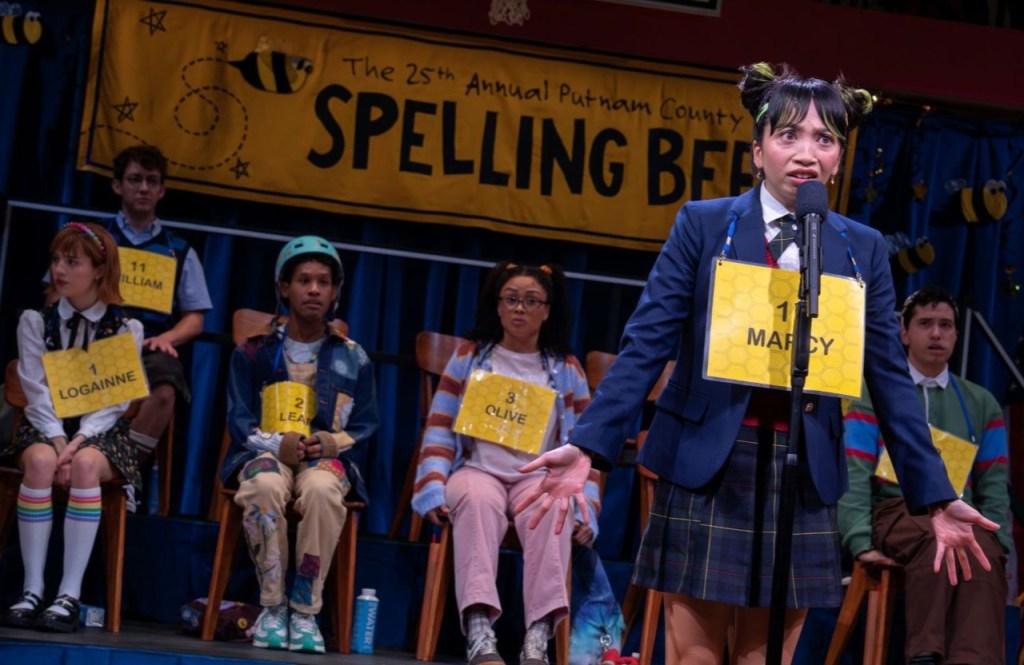
This popular 2005 musical, by Rebecca Feldman, Rachel Sheinkin, William Finn, and Jay Reiss, is set for a commercial Off-Broadway revival, and my sights are set on two items in particular: Danny Mefford and Jasmine Amy Rogers. Mefford is directing the new production, but he is primarily known as a choreographer, and his work on the recent Arena Stage production of The Bedwetter was bafflingly poor. His work on shows like Dear Evan Hansen (2016), Fun Home (2013), and Kimberly Akimbo (2022) was passably minimal, or minimally passable. Will directing turn out to be his true calling? Rogers, meanwhile, turned in an inorganic, pristinely placed performance as the title character in the recently shuttered Boop!, failing to internalize, individualize, or bring to vigorous life the quirky cartoon character. Many culture writers nonetheless proclaimed her a star. Perhaps she will actually develop into one with Spelling Bee.
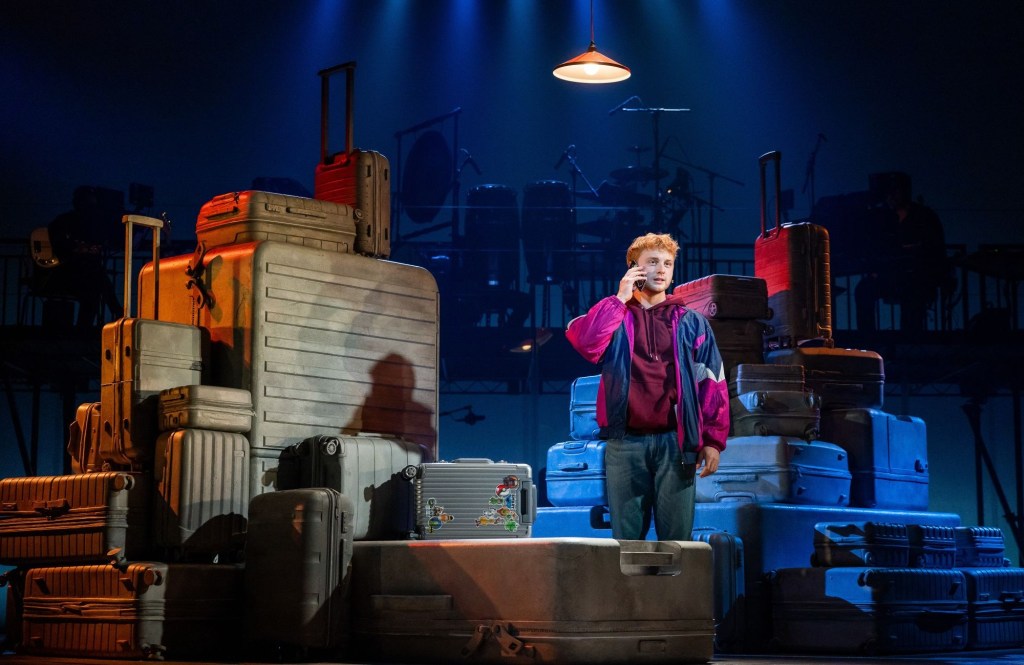
Two Strangers (Carry a Cake Across New York)
This new musical, by Jim Barne and Kit Buchan, is a syrupy, mostly superficial affair, marked by convenience and intermittently fine material motifs. It has been imported from London, and it played an out-of-town engagement at American Repertory Theater earlier this year, in a seasonal slot that was to have been occupied by a revival of Passing Strange (2007), similarly imported from London. Two Strangers (Carry a Cake Across New York) is being produced on Broadway by Kevin McCollum, and the single-set, two-actor romantic comedy has been capitalized at a comparatively tiny $8 million, with a $5 million minimum, according to a filing with the Securities and Exchange Commission. I highly doubt that any substantial substantive improvements have been made to the inferior offering since its Boston run, and I will be quite interested to see if it finds a paying audience in New York. Especially with its bizarre ad campaign. (See my review of the American Repertory Theater production.)
Wonder
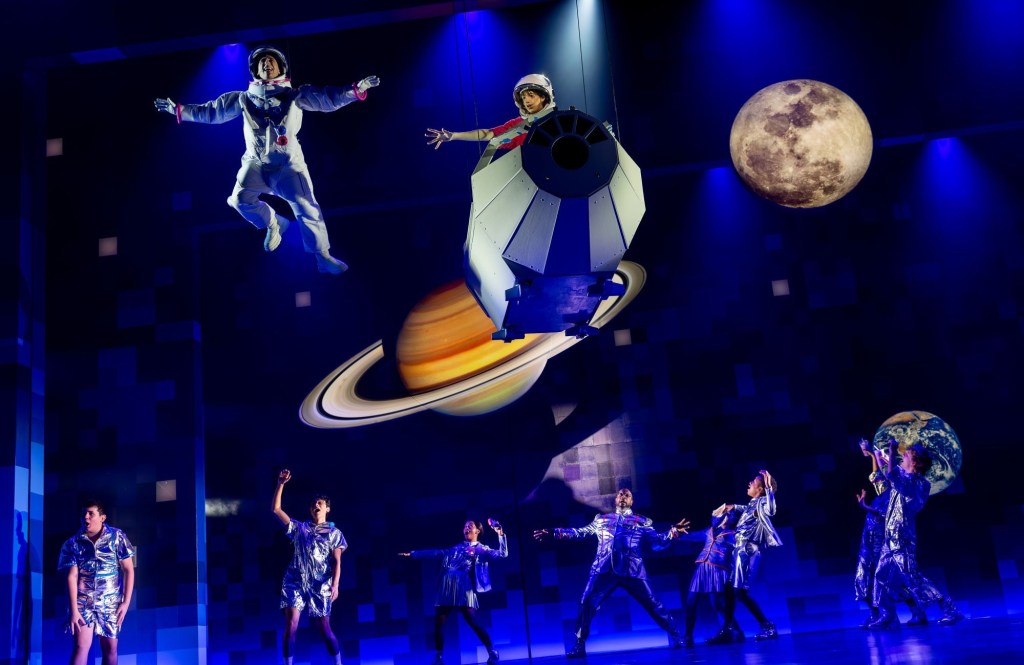
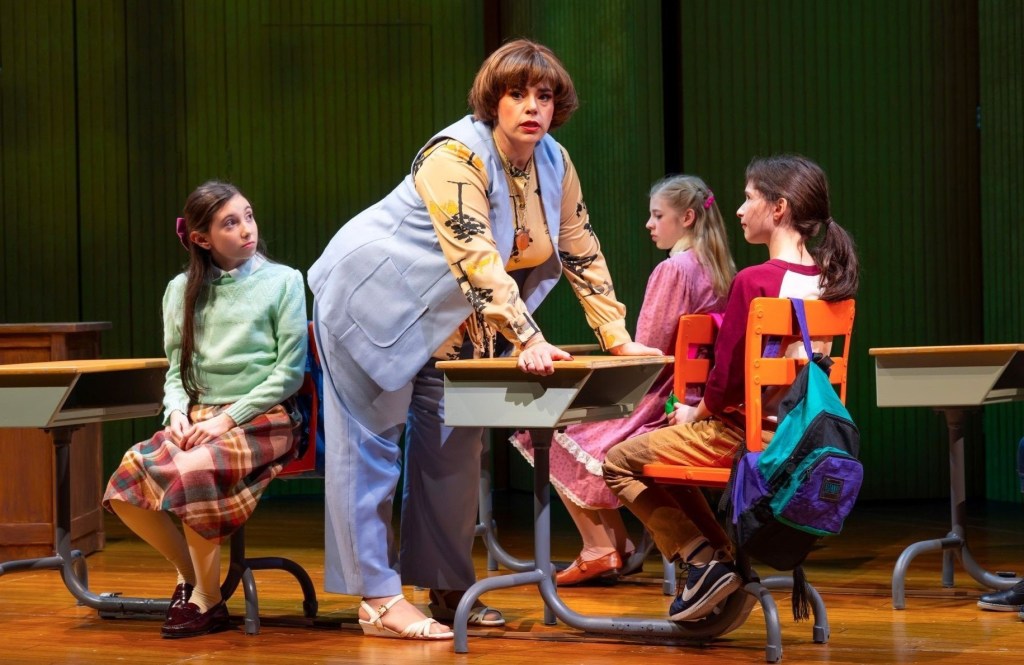
This stage adaptation of the R.J. Palacio novel and the Stephen Chbosky film will premiere at American Repertory Theater in December. It is being produced by Jill Furman, and it has, commercially, a current development price-tag of roughly $4 million, according to a filing with the Securities and Exchange Commission. The book is being written by playwright Sarah Ruhl and the lyrics and music are being written by Ian Axel and Chad King of A Great Big World, and I will be especially curious to see if these three talents reveal, in their work, an affinity for and an understanding of the musical stage. And theatricality. But I will be most curious to see the work of director Taibi Magar, whose star is on the rise. Her staging of Night Side Songs, in particular, was tremendously skillful and, from a technical standpoint, quite exciting, despite the poor quality of the material. One hopes that Wonder will emerge as an uplifting, well-crafted affair, and thus secure Magar’s standing amongst the top of the current directorial heap.
Working Girl
This new musical, based on the 1988 film, has a book by Theresa Rebeck and lyrics and music by Cyndi Lauper – which concerns me. Lauper penned an enjoyable, moderately effective score for Kinky Boots (2013). But here, unlike her freshman project, she is working with a book writer unfamiliar with the musical stage, and a (capable) director who seems to sign on to any project that comes his way, regardless of whether or not he has a particular point of view about it. In fact, Working Girl will be the fourth major new musical that Christopher Ashley has directed this year, following The Heart, 3 Summers of Lincoln, and The Untitled Unauthorized Hunter S. Thompson Musical. Robyn Goodman is producing Working Girl, and the prospects for the brand-name affair look bleak. But first impressions can be wrong.
Other musicals opening Off-Broadway this fall include 44, Gotta Dance, This is Not a Drill, and a concert production of Bat Boy. (Exorcistic opened earlier this week.) Other musicals opening out-of-town include I and You, The Nice List, Purple Rain, and a new version of Almost Famous. And Broadway will see a second return engagement of Beetlejuice.
I took an unplanned, if valuable, break from show-going during the month of August, and I am sorry to have missed Joy and Mamma Mia!, which I will review at a later date. My show-going kicks back into high-gear tonight with Saturday Church. Here is hoping for a fantastic fall season, regardless of how sketchy it may appear on paper.
Correction: An earlier version of this article identified the director of the upcoming production of Safety Not Guaranteed as Lee Sunday Evans, but the new musical is now being directed by Oliver Butler.
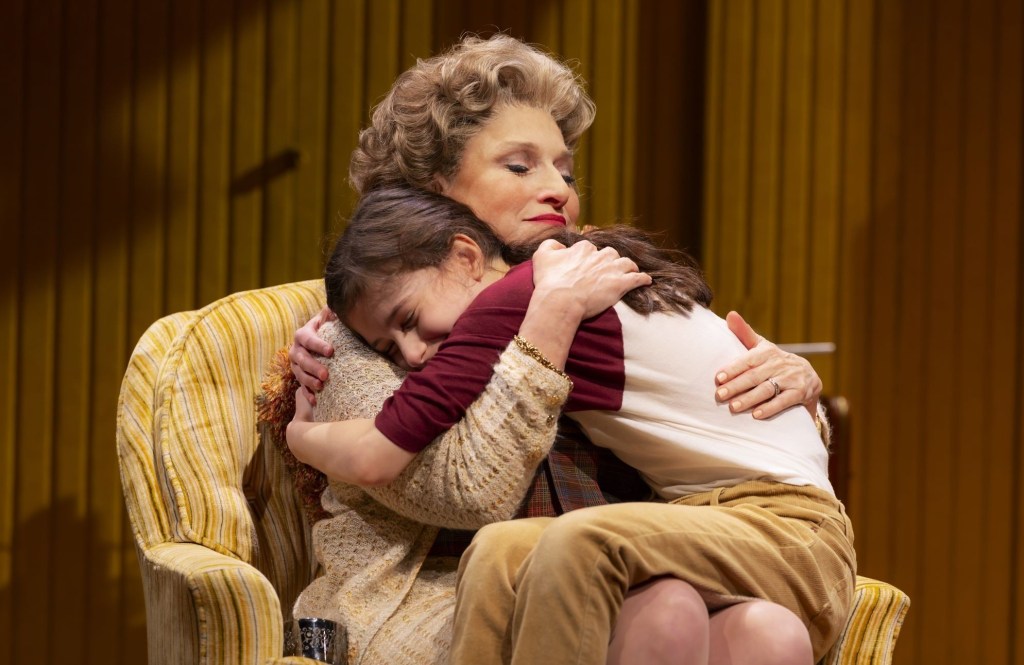
Publicity photo for The Queen of Versailles by Emilio Madrid.












 The Musical Theatre Report
Leave a comment