A journal for industry and audiences covering the past, present, and future of the musical stage.
Today is Sunday, and this week’s Report features a detailed review of The 25th Annual Putnam County Spelling Bee; quick takes on Slam Frank, The Seat of Our Pants, Sherie Rene Scott in The Queen of Versailles, Two Strangers (Carry a Cake Across New York), Boop!, and Oratorio for Living Things; a quote of the week; rumor has it…; for your consideration…; select press announcements from the past week; and a list of the upcoming week’s previews and openings.
QUOTE OF THE WEEK
“In America, something occurs, makes a sensation, is discussed by the whole country, and in a day is forgotten.” -Florenz Ziegfeld, Jr., producer of Show Boat (1927), Whoopee (1928), and Ziegfeld Follies (1907-1931)
REVIEWS
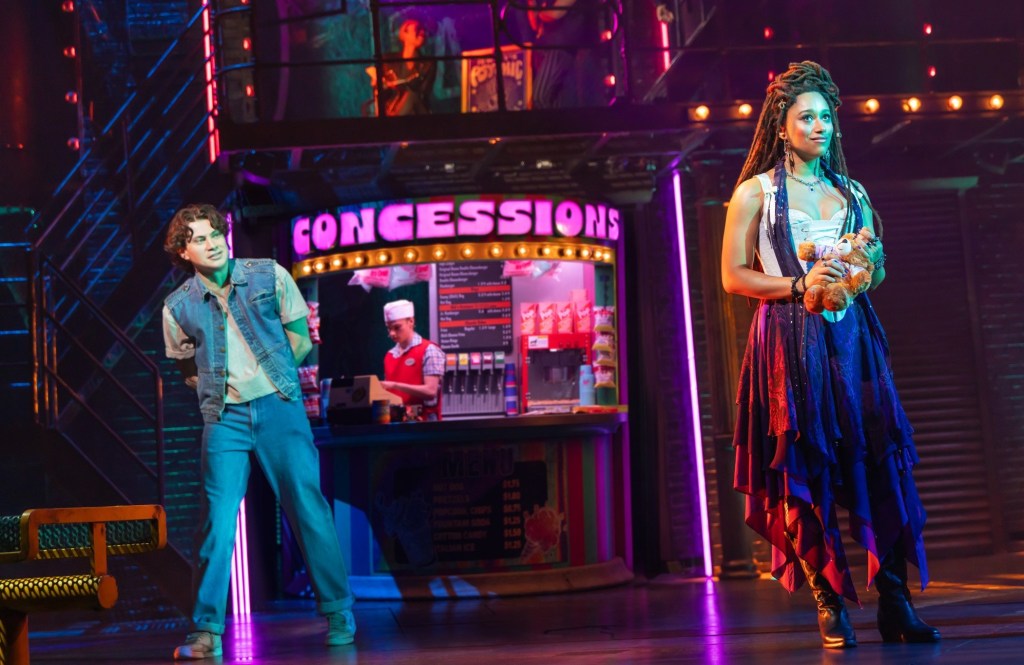
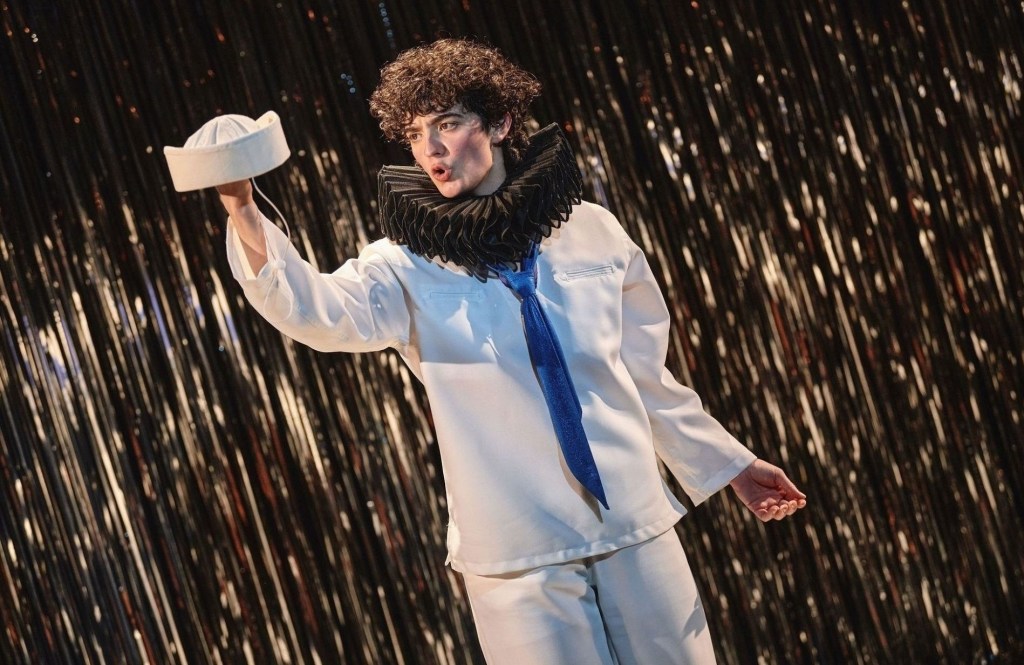
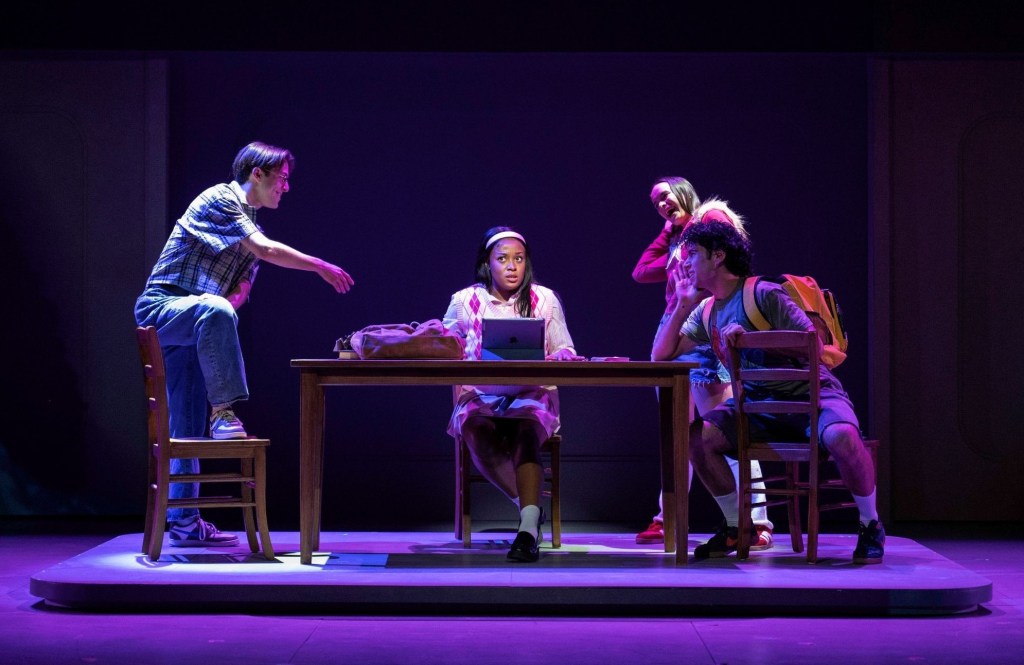
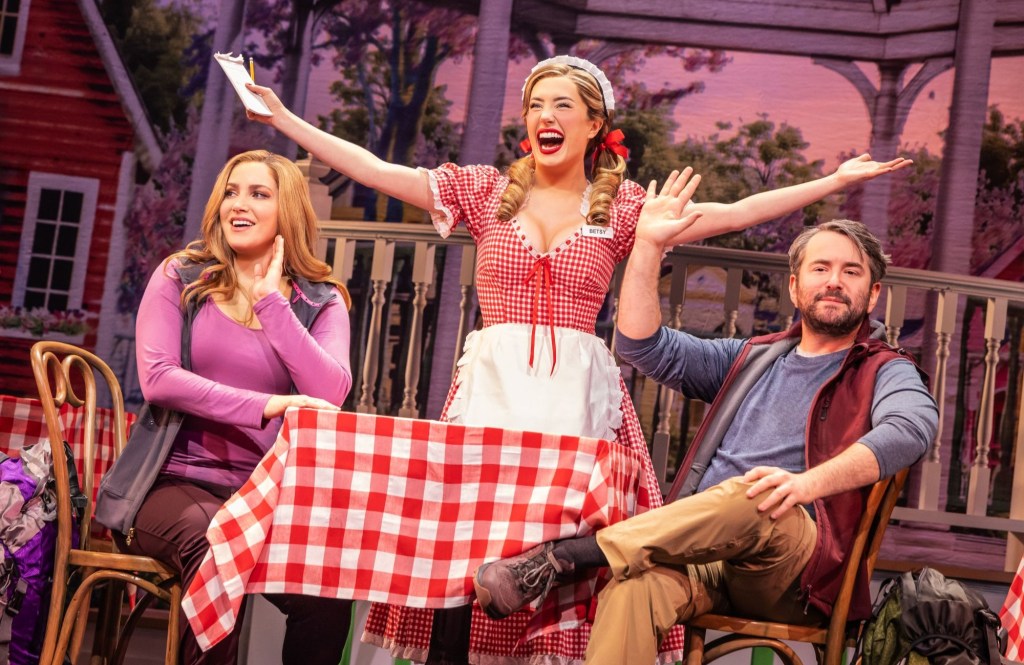
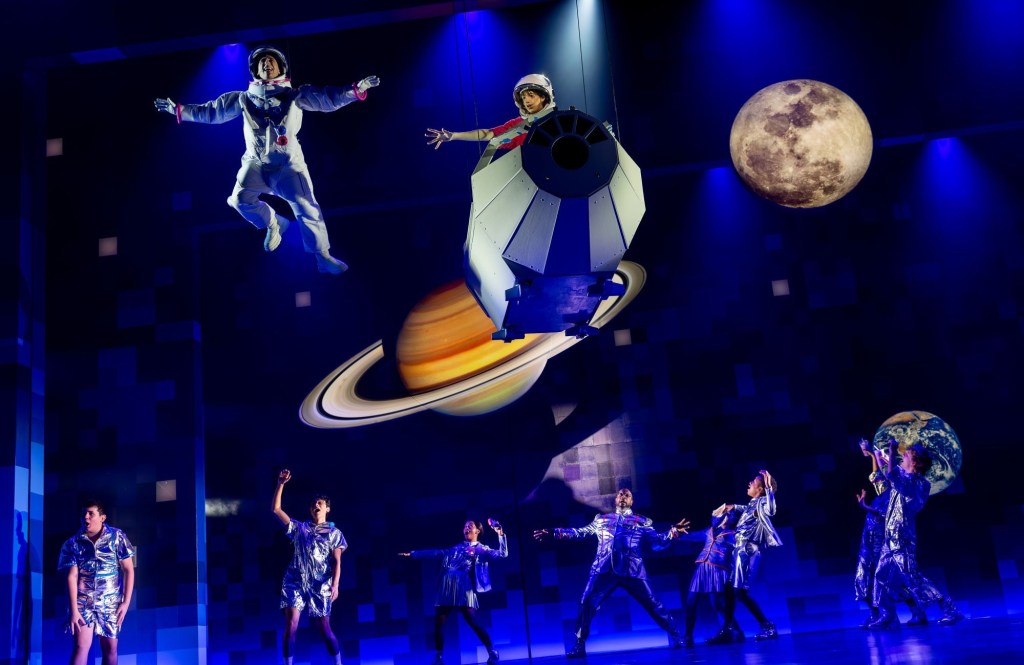
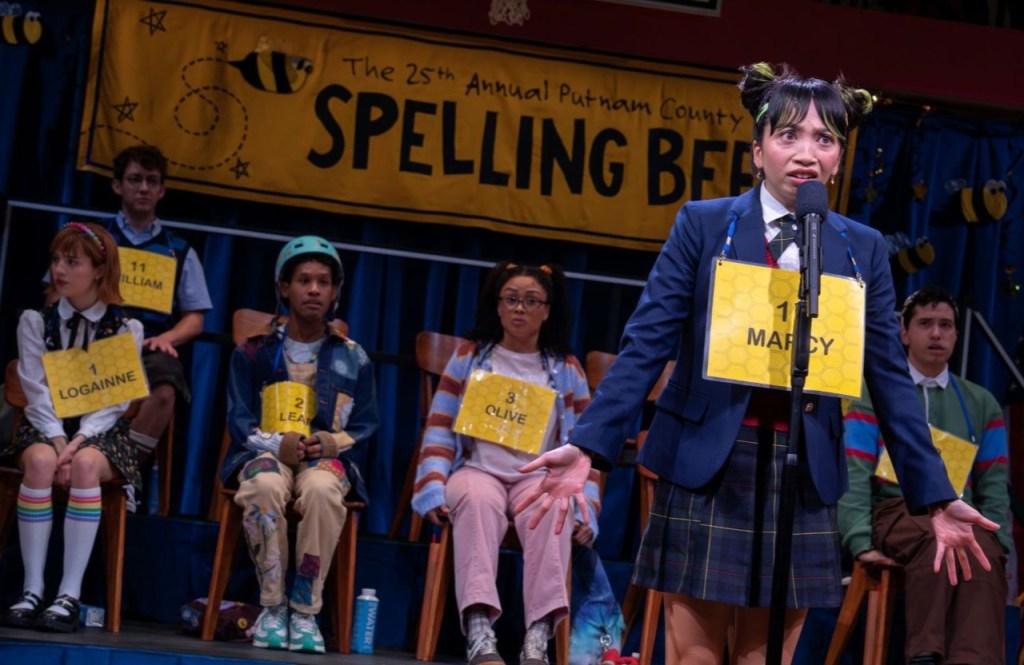
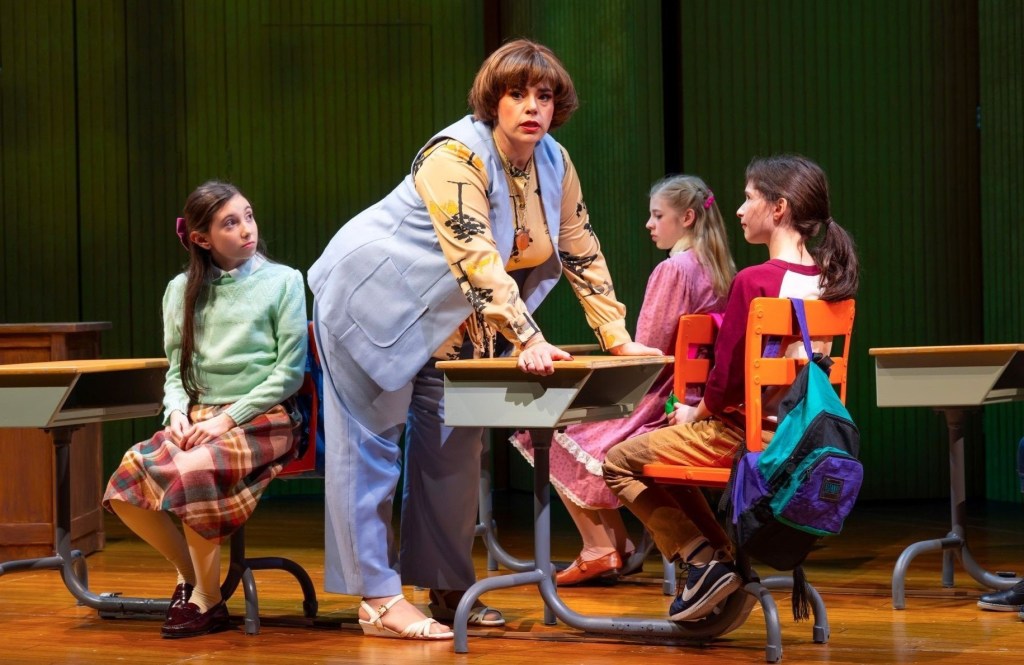
• The 25th Annual Putnam County Spelling Bee, a revival of the 2005 musical comedy, recently opened an Off-Broadway engagement at New World Stages. It is conceived by Rebecca Feldman, written by Rachel Sheinkin, William Finn, and Jay Reiss, and based on a play by The Farm, and it was originally directed on Broadway by James Lapine. The musical is decidedly middle-grade, and the new production, directed by Danny Mefford, is teetering on the threshold below, despite an exceptionally talented cast. Here is my review.
QUICK TAKES
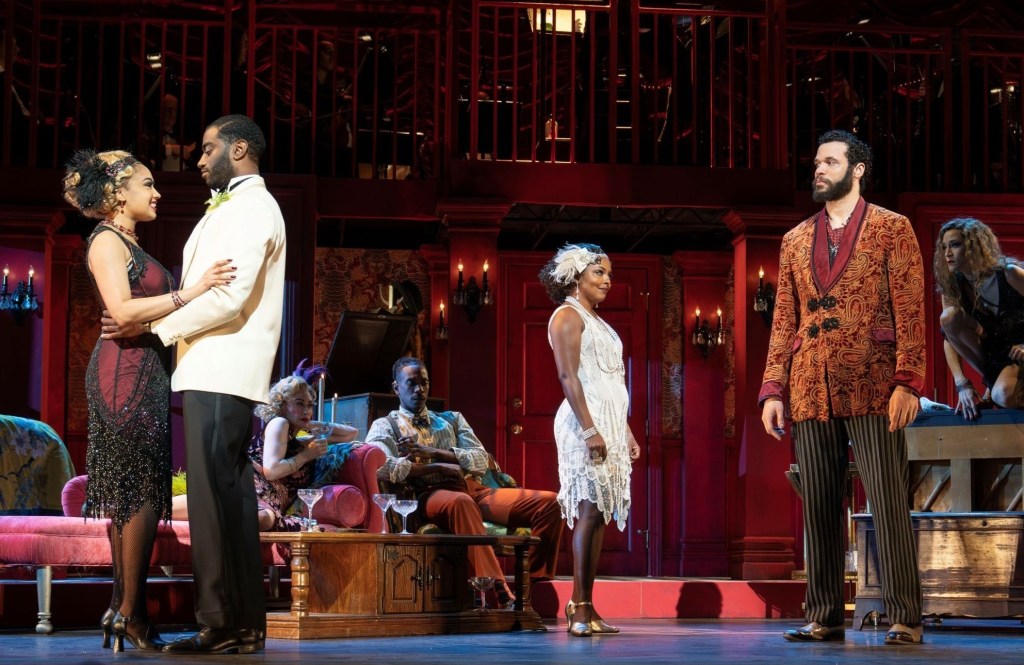
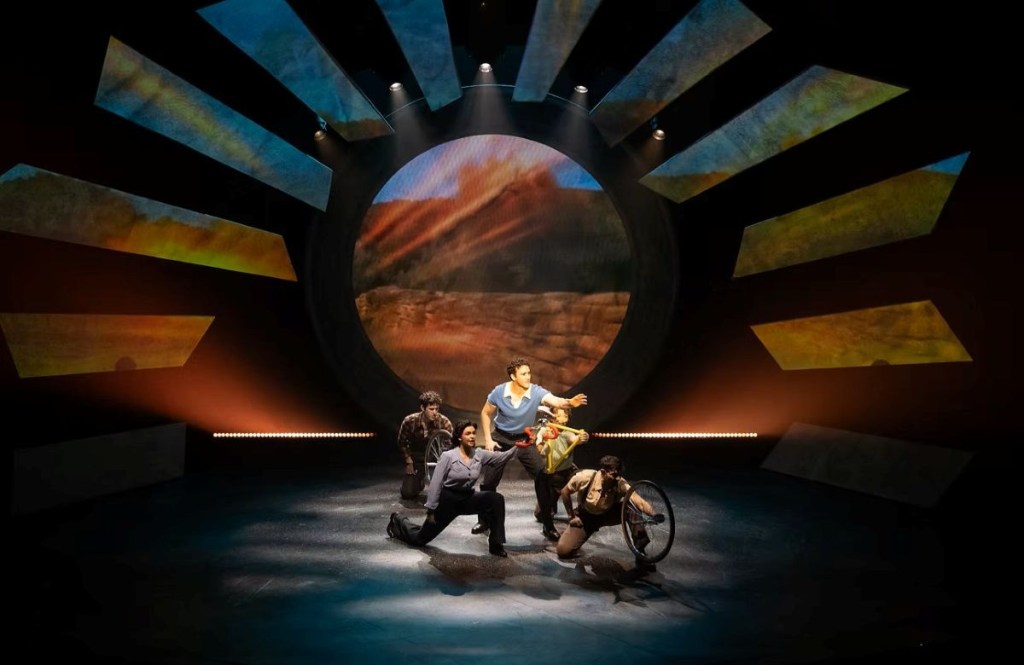
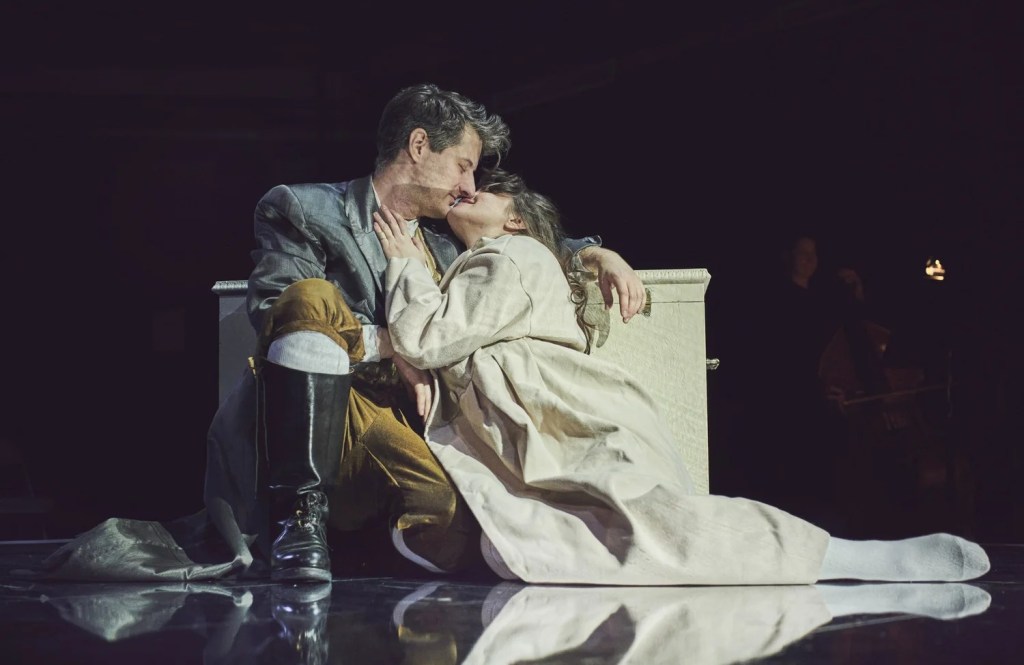
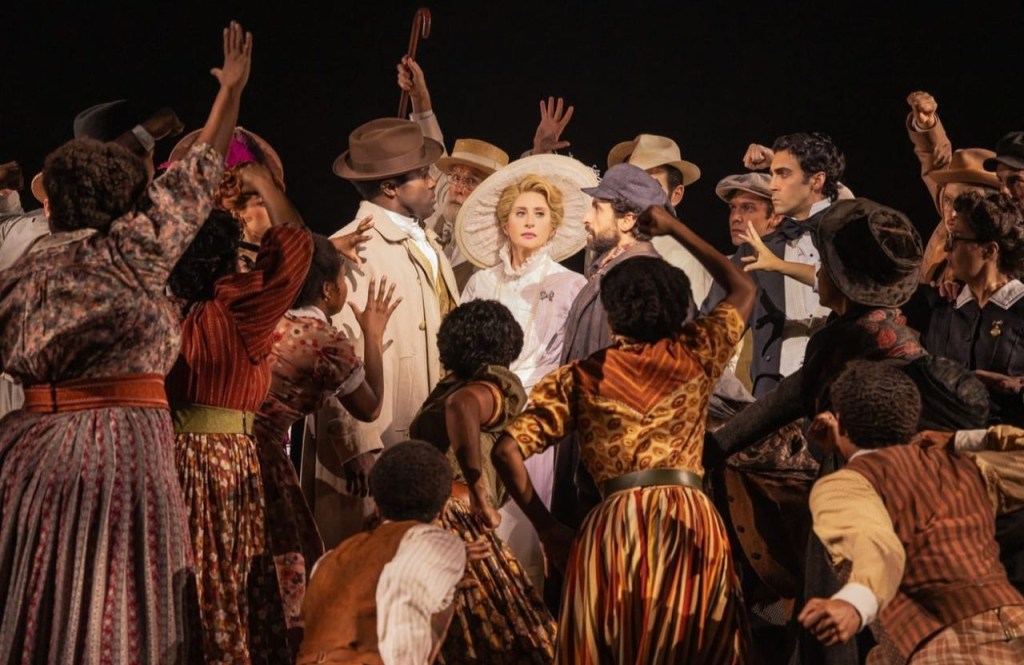
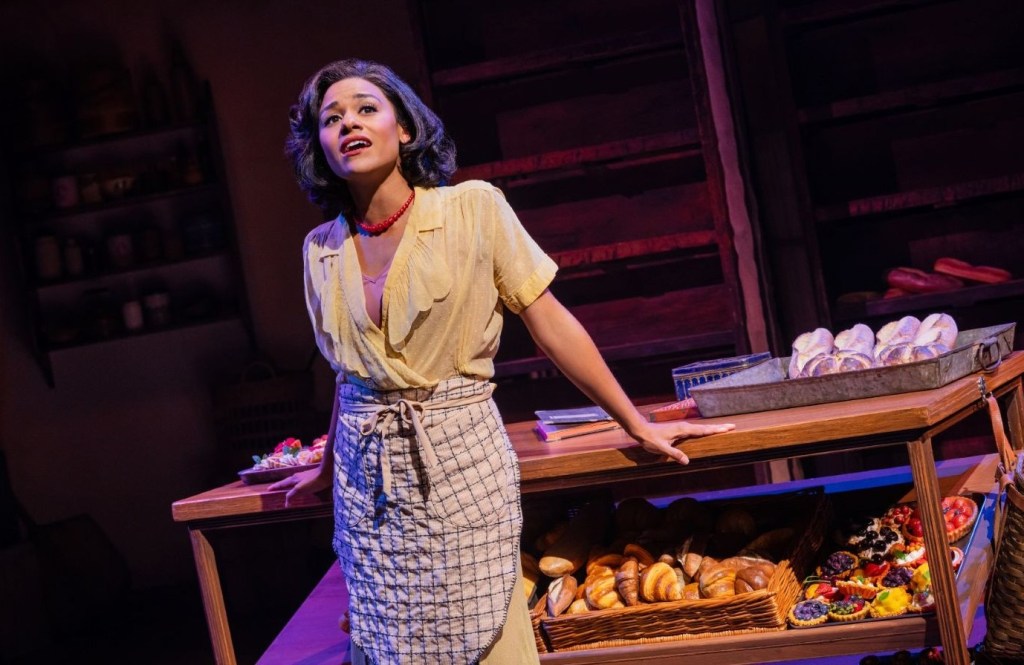
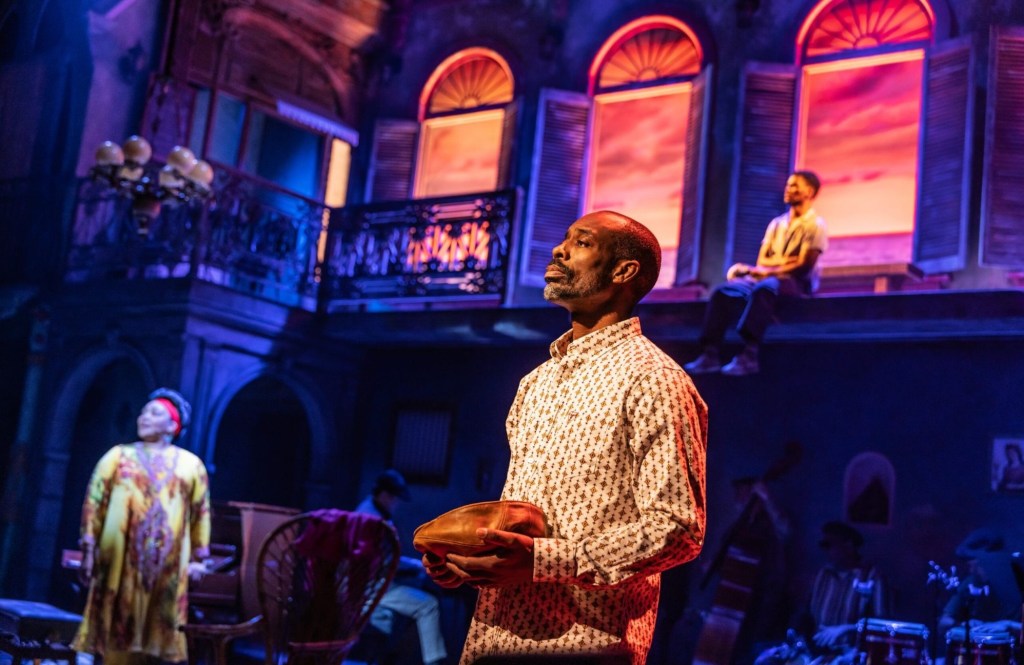
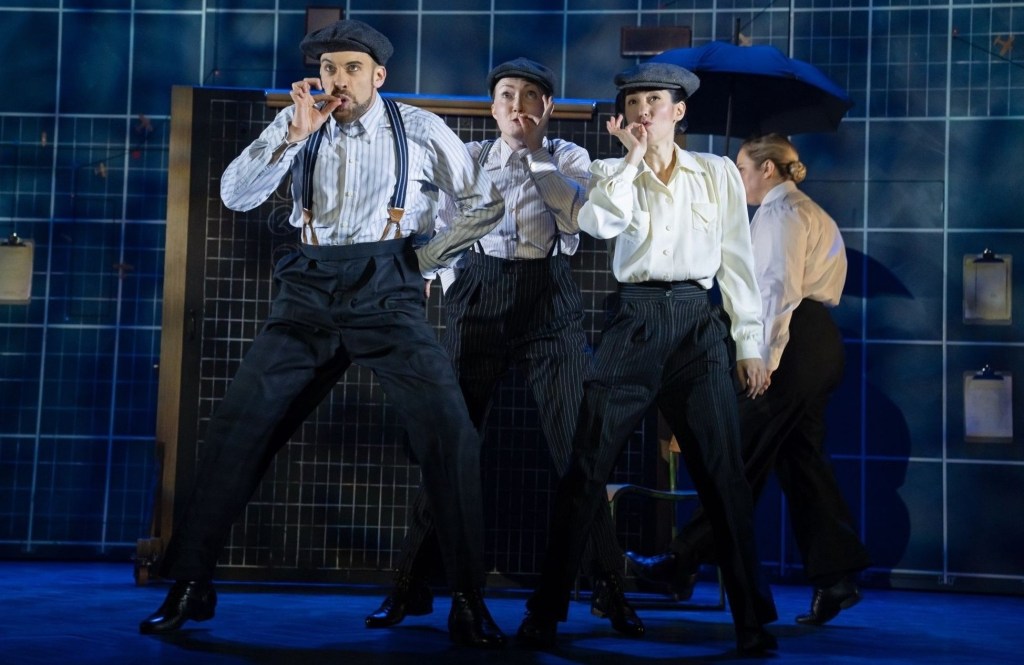
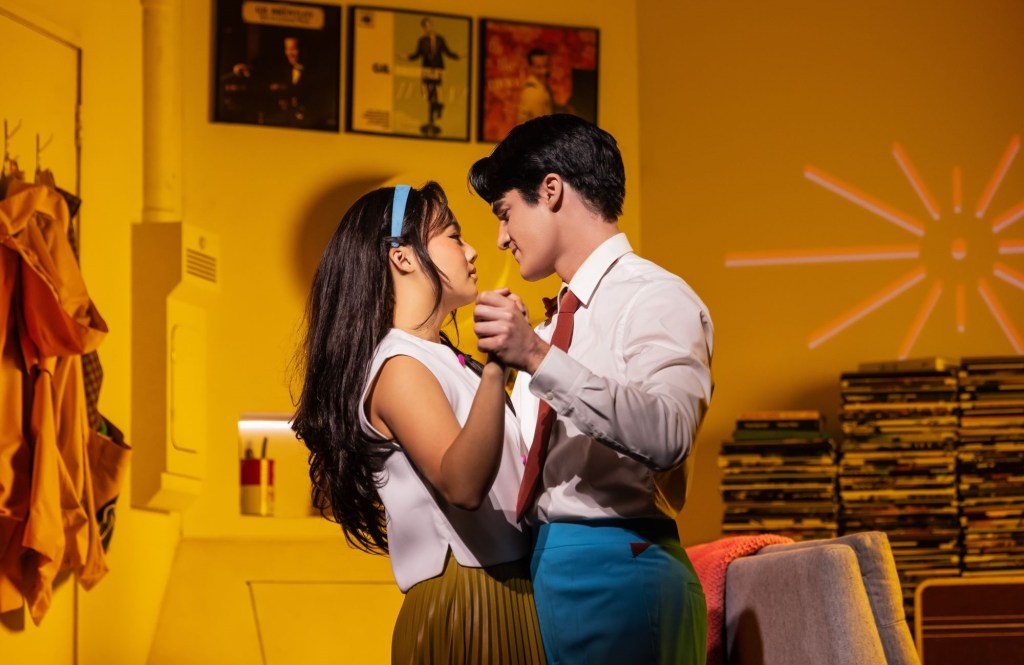
• Two Strangers (Carry a Cake Across New York) opened on Broadway on November 20. I experienced the production at American Repertory Theater last spring, and I have no immediate plans to reassess the piece. That said, I can see from the production photos that director Tim Jackson and designer Soutra Gilmour have provided the leading lady with some new attire more appropriate to the seasonal setting. But did Jackson and Gilmour figure out how to effectively integrate the abstract scenic design into the staging? Or how to activate and theatricalize its hidden compartments?
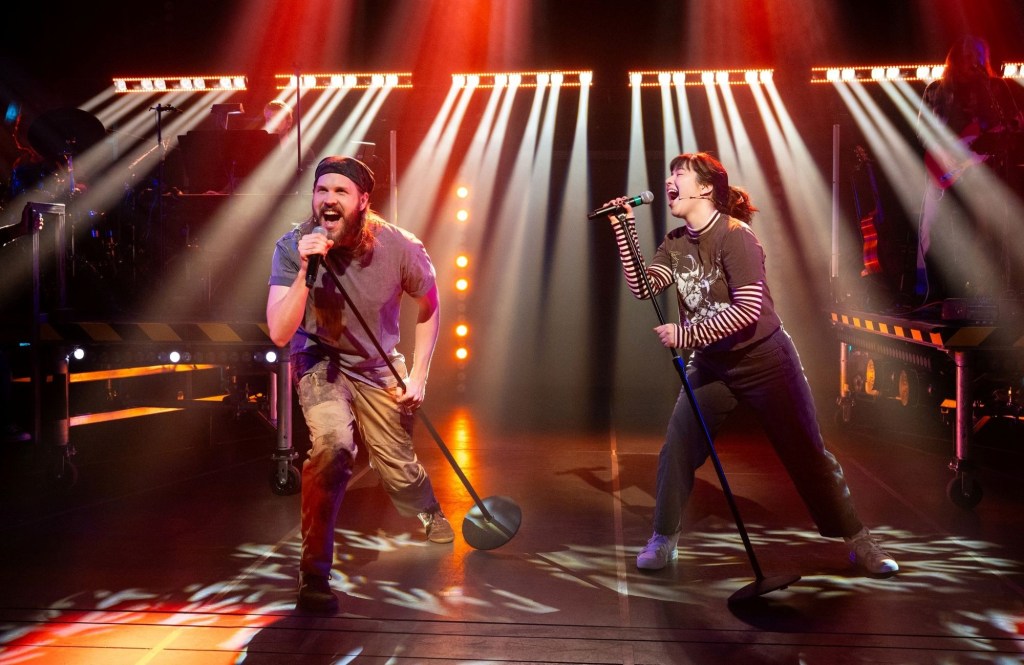
• Slam Frank, a new musical satire built around the Holocaust, is currently playing an extended engagement at AsylumNYC. It has a book by Joel Sinensky, lyrics and music by Andrew Fox, and direction by Sam LaFrage, and it is an appallingly juvenile affair, marked by a serious lack of skill and a seriously hoary framing device. (A community theatre troupe presents the story of Anne Frank through an ultraprogressive, radically inclusive lens, reimagining the historically Jewish figures as gay, nonbinary, pansexual, feminist, Latina, neurodivergent, etc.) Slam Frank, which runs nearly two hours without intermission, is shapeless and unfocused. Most of the material is neither fresh nor efficient nor distinctive nor nimble, neither sharp nor biting nor punchy nor tight. And the staging is aggressively sloppy and uninventive, with no particular character or aesthetic. One poetic interlude, performed by Anne Frank’s mother, Edith, has teeth and carries considerable interest. Likewise – in principal, not necessarily execution – a blood-spattered eleventh-hour tear initiated by a supposedly silent character, and a “justice” / “just us” finale. In fact, several of the show’s underlying ideas are potent and fine and even perhaps important. But as Arthur Laurents, the book writer of Gypsy and West Side Story, once noted, “The inclusion of an important idea (social, political, economic, etc.) unfortunately does not of itself make a play either important or good.” Slam Frank is neither.
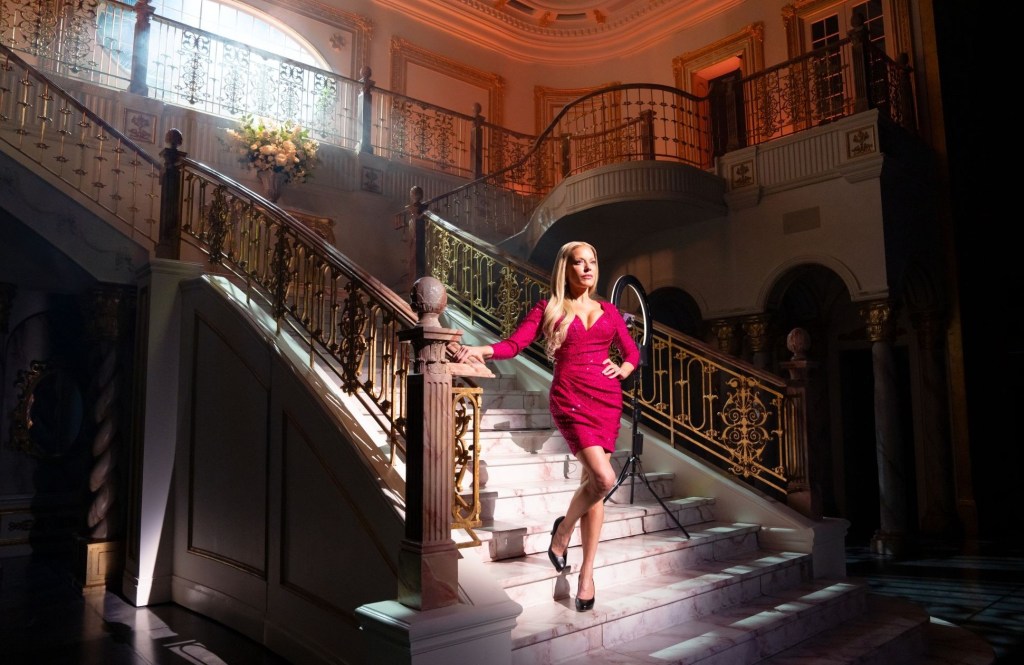
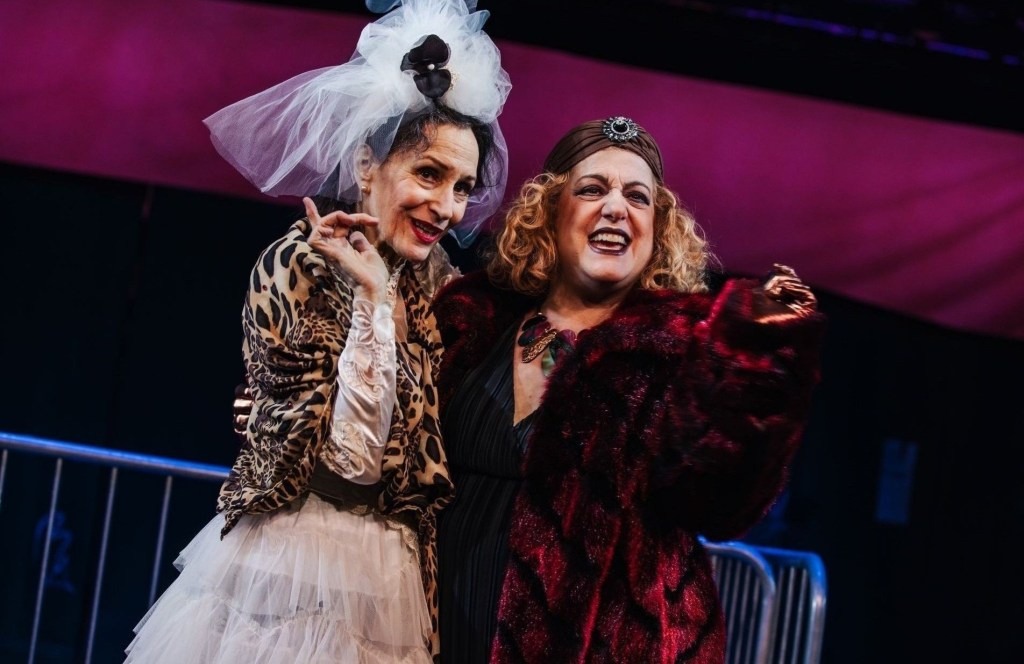
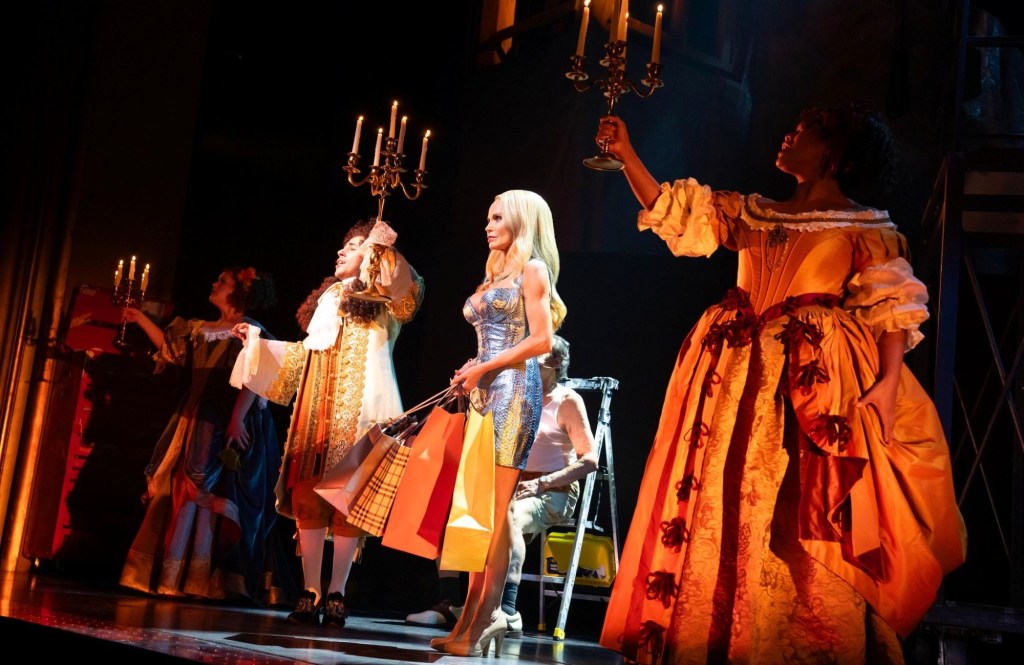
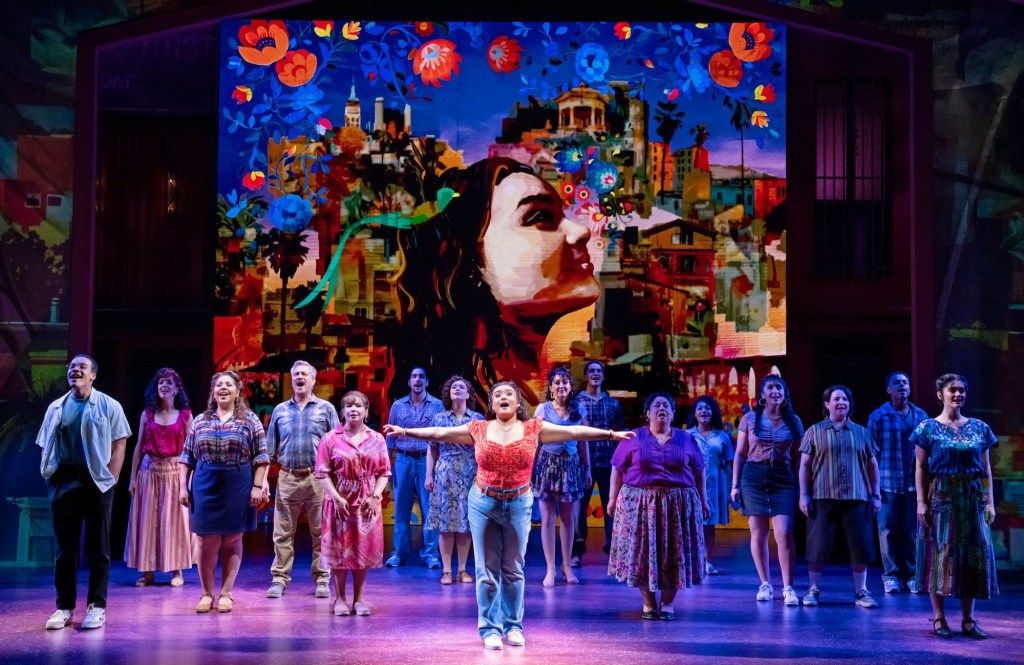
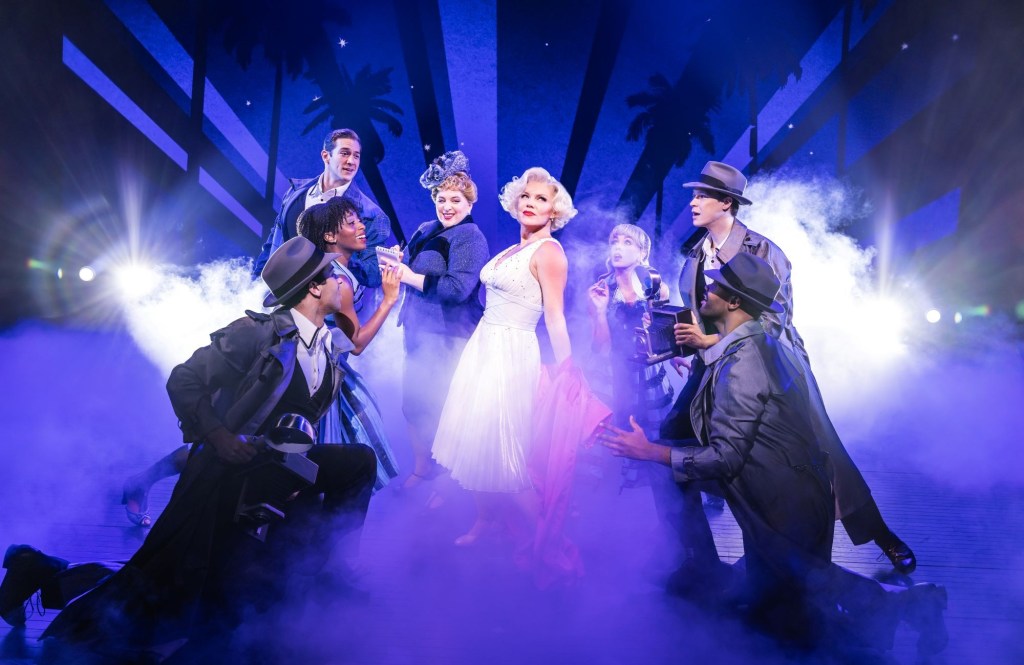
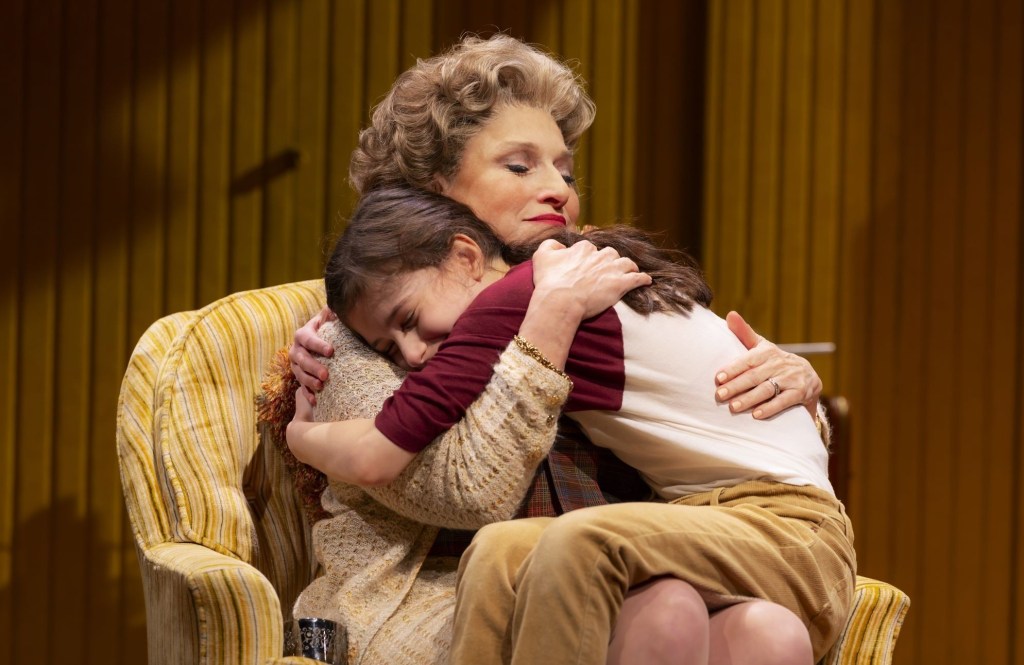
• On Tuesday, Sherie Rene Scott made her first of three planned appearances as the title character in The Queen of Versailles. Her performance was not, as they say, great, because she has not had the time to flesh it out, but it showed the promise of greatness, already peppered with several exciting moments and hints of detail, complexity, and purposeful play, and her delivery of the first-act finale was volcanic, resulting in an exhilarating theatrical high. Here is an incredible – and peculiar – stage star, with a powerful, glistening voice, whose gut-busting vocal performance, with lines sometimes luxuriously liquid, lives in the lyric and soars on the same. Had the musical’s eleven o’clock number been well written, Scott might have been responsible for the destruction of the St. James Theatre. One can nonetheless appreciate the care that she took with the number, especially the weight that she gave a particularly pivotal line: “When is it enough?” Care was clearly taken with her other numbers as well, notably “Because We Can,” “Caviar Dreams,” and “Grow the Light.” Scott has a certain way with the union of words and music that is wonderfully theatrical and deeply affecting, and she has a certain way with comedy. (A handful of lines, like those involving swatches and a dead lizard, hit in a devastating fashion.) The November 25 performance of The Queen of Versailles felt like something of an event, given the special-standby circumstances, and I suspect the December 3 performances will as well. Go. Subject yourself to this unfortunate affair (again perhaps), specifically for Scott’s delivery of the first-act finale, for her skillful, invigorating approach to song, and for the opportunity to cheer-on a fabulously oddball Broadway baby in a role she might have devoured, if given the time and the opportunity. And if the role, like the eleven o’clock, had been well written.
• The Queen of Versailles opened on Broadway on November 9, and it has been announced to close on January 4. Thus, my detailed review, intended for publication today, will be delayed until next Sunday, because I have decided to take a slightly different tact. The musical is an unequivocal misfire, but it might have been a thrilling theatrical affair, and I believe a rigorous examination of how things went wrong, artistically, will be exceedingly valuable, and the best use of our time, illustrating, in the process, critical components of musical making, like synchronicity and routine.
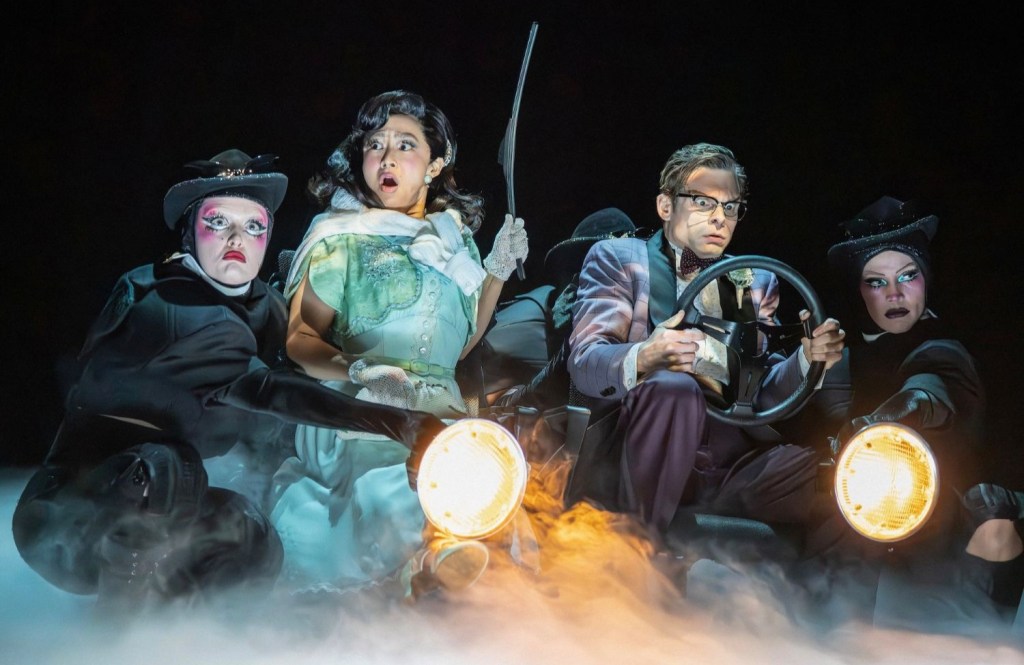
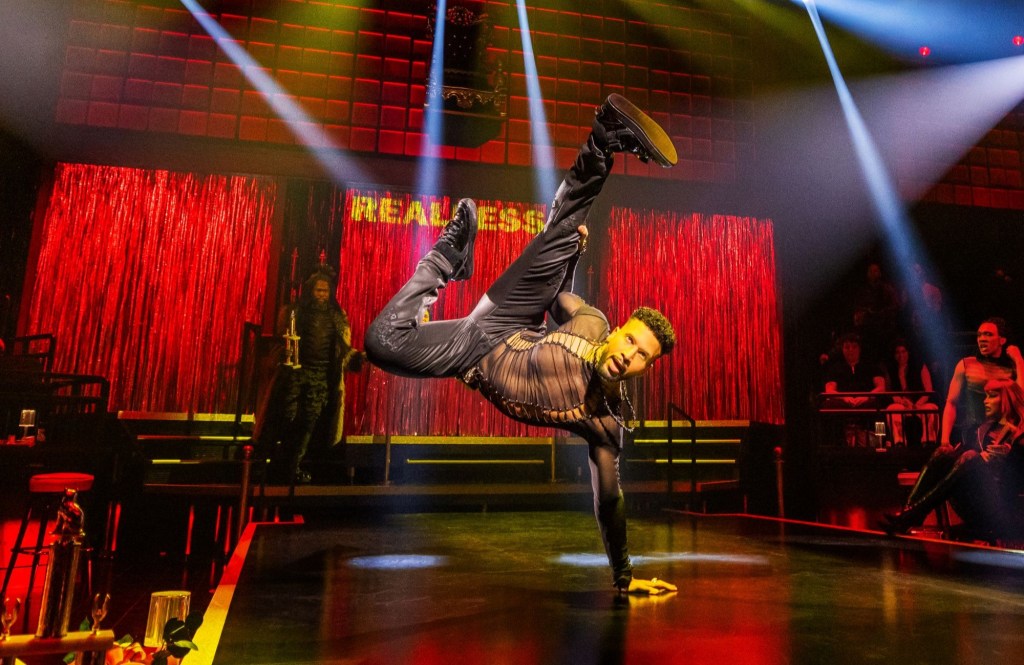
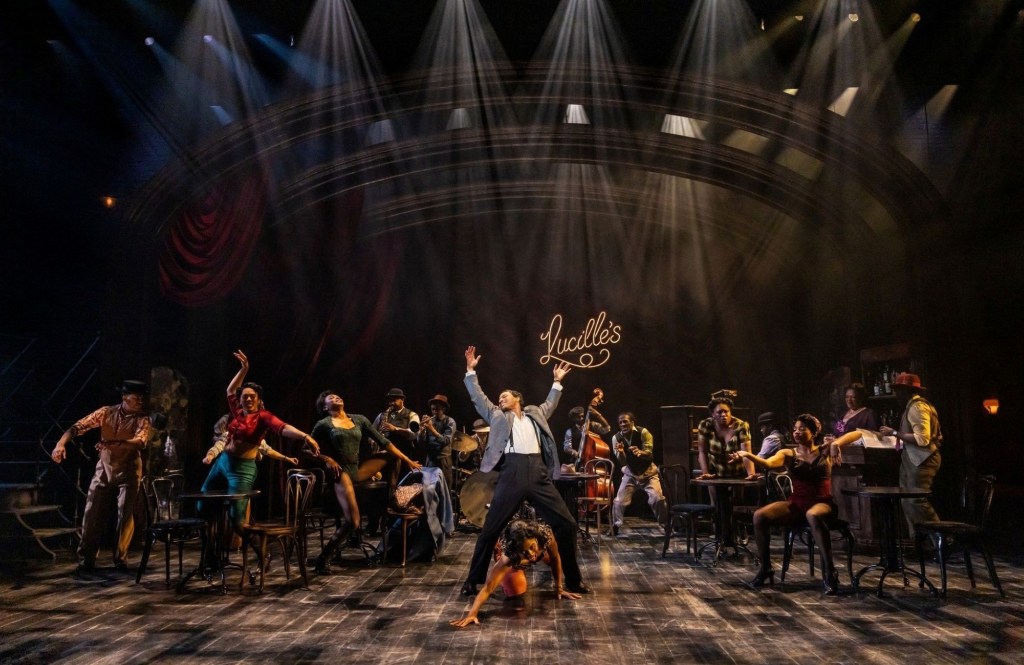
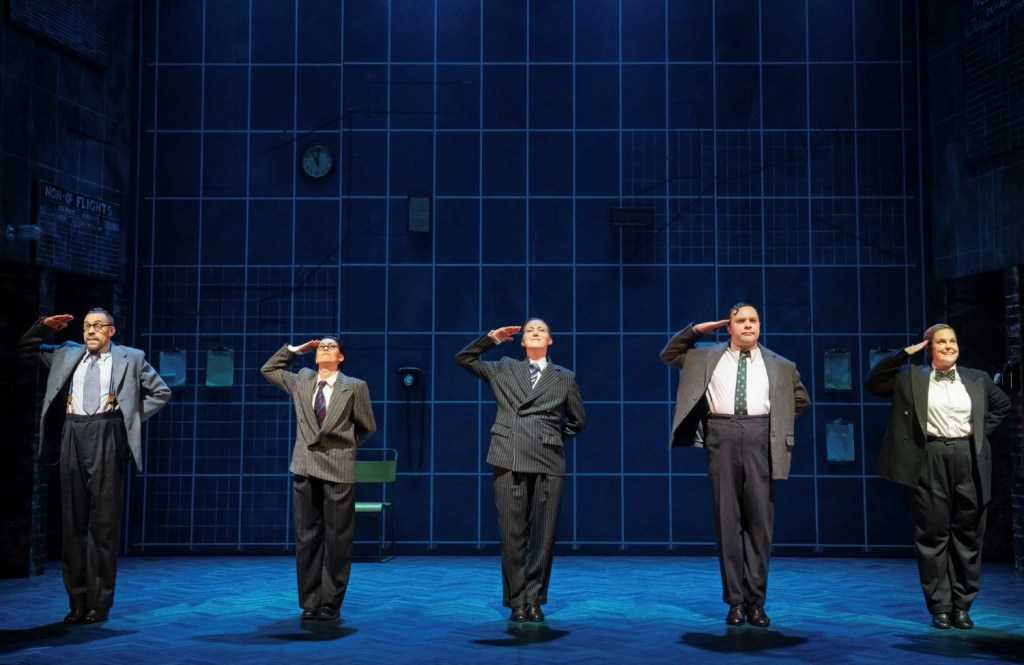
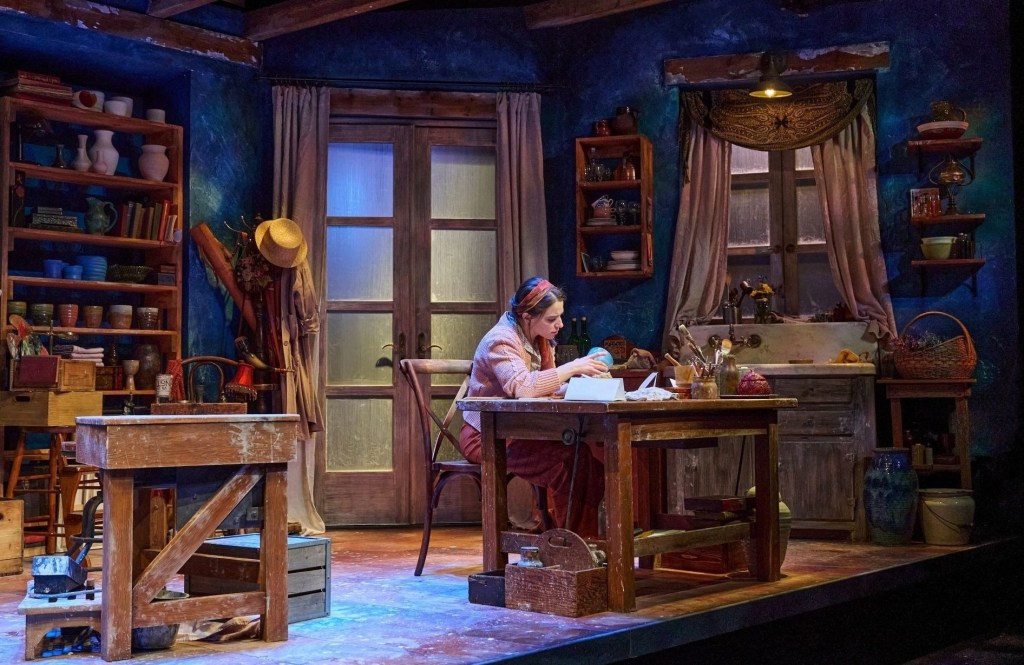
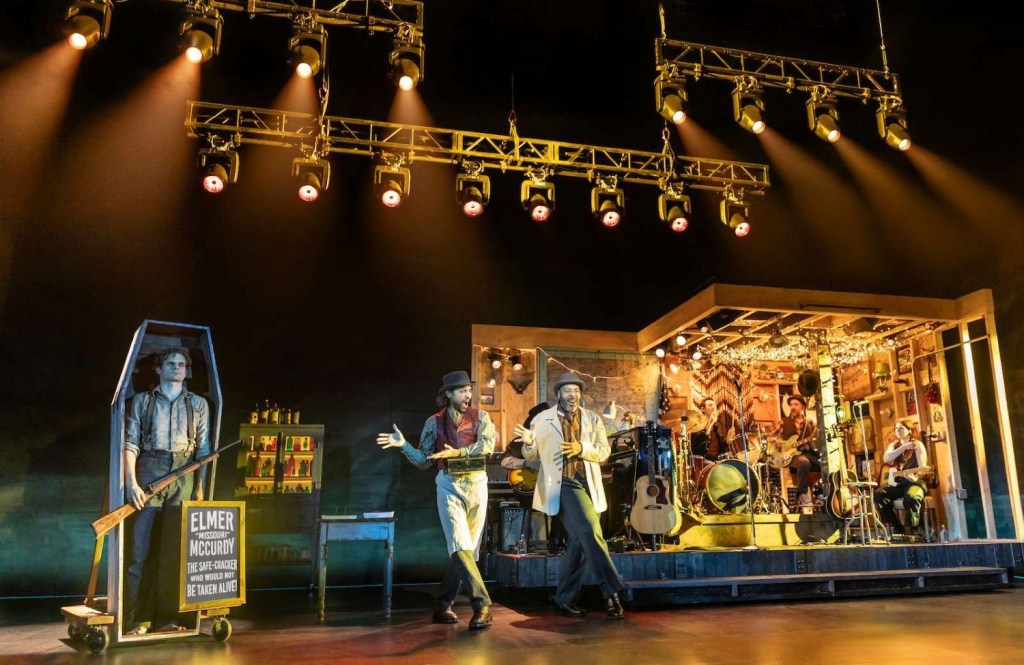
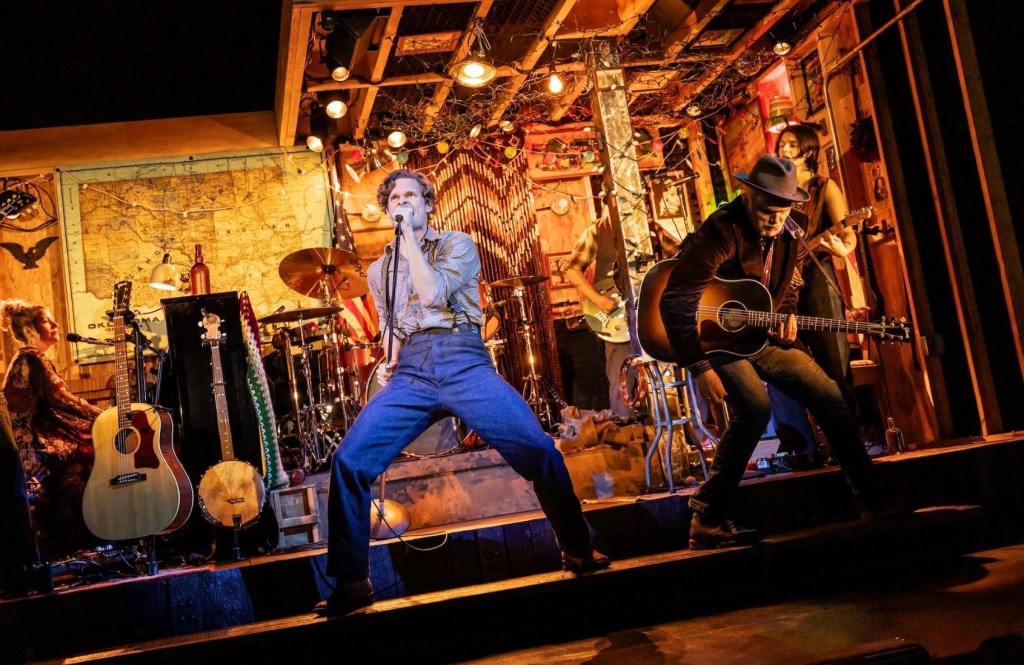
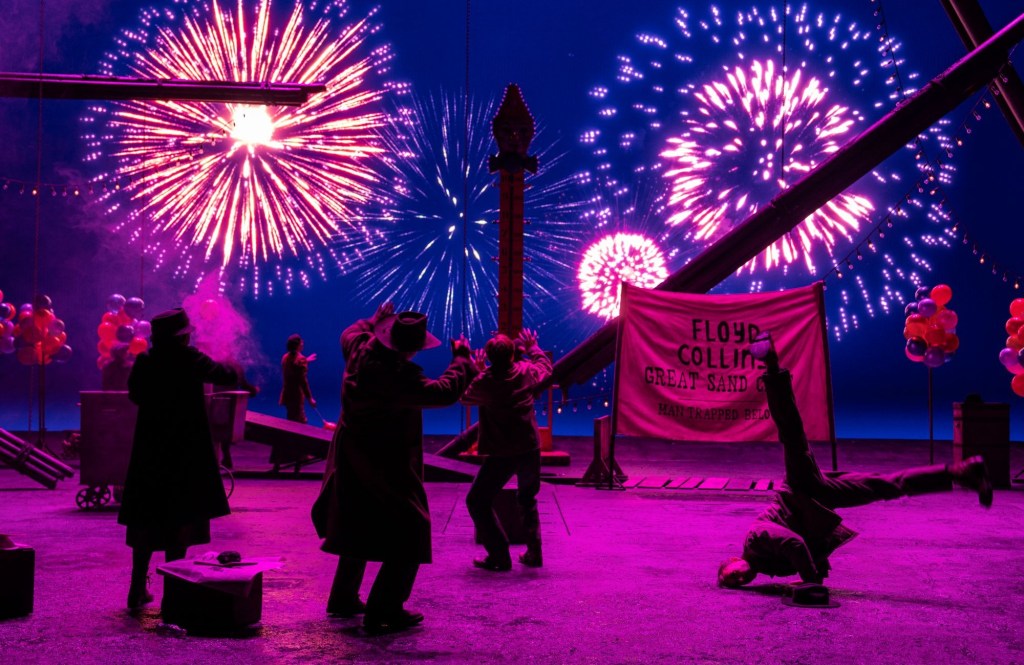
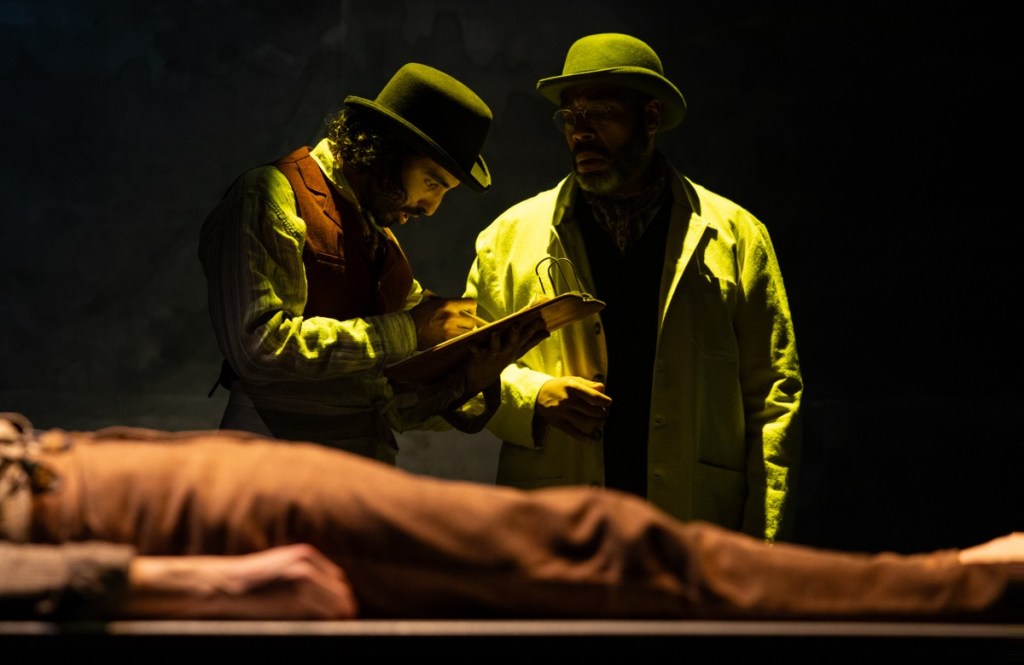
• The Seat of Our Pants, a new musical based on the Thornton Wilder play The Skin of Our Teeth, concludes a world premiere engagement at the Public Theater next Sunday. It is a disjointed, intermittently engaging affair, with a book, lyrics, and music by Ethan Lipton, an intelligent artist, and direction by Leigh Silverman, who evidently has little feeling for the musical stage, and it is, at present, surviving, barely, on the strength of its rich, if imperfect, source material – a surrealistic examination of the human race, presented in three acts, with nonconsecutive action, and centered around an archetypal American family, led by George and Maggie Antrobus, that has survived the imminent end of the world for several thousands of years. An added conceit positions the piece as a show within the show, or, in this case, a new-musical-based-on-the-show within the show, and much of the dialogue has, for better or worse, been lifted from the original play. If Lipton is intent on realizing a tight, crackly, dramatically effective, fabulously absurd musical, under the presumption that The Skin of Our Teeth is crying out to be musicalized, he will almost certainly need to address four critical matters: first, the use, spotting, style, and theatricality of song, with several musical numbers currently registering as insubstantial, unsupported, unshapely, or unessential, and several simply withering away; second, the nature of the lyrics, which tend to be especially light, or lightly impish, or simplistic, or informal, often failing to top themselves, to develop, to carry a punch, or to effectively blend with – in either accordance or opposition – the heightened eloquence, the dramatic grandeur of the (lifted) dialogue, and with some lyrics impacted, to an extent, by the nature of the associated music, particularly isolated or spacious melodic phrases; third, the added conceit, which has been unsteadily embellished, particularly in terms of an author, an elaborate musical interlude commenting on the source material, a stage fight, and a final confrontation; and fourth, the staging, choreography, and lighting design, all three of which are wildly inexpert and demand to be completely redone, perhaps by new individuals, replacing Silverman, Sunny Min-Sook Hitt, and Lap Chi Chu respectively. (The scenic design, by Lee Jellinek, is incredibly poor, but Silverman must take the blame, under the unimaginative, visionless circumstances.) Actors regularly wander around the unsculpted stage, and, in some cases, play their scenes facing the stage-right wall, presumably in a clumsy attempt, by Silverman, to account for the space. (14 rows of audience seats are situated in front of the stage, and five rows are situated behind the stage.) Animals loiter. Frenzied or farcical moments are forced; the froth, uneasily whipped. The three separate worlds might be more clearly, vividly, individually defined. Individuals begin speaking or singing into a microphone and then continue speaking or singing as they walk away from the microphone. (What is the point of using the microphone in the first place?) An inner scream reeks of ineptitude. The tonal juxtaposition, from time to time, of lyric and music is, in principal, a fine idea. “Sabina’s Suite,” a soliloquy for the family’s maid and George’s mistress, has wonderfully blowsy music. “We’re a Disaster,” the full-company finale, has wonderfully restless music, with a brief chorus that soars in life-affirming fashion. “The Future,” performed by a Fortune Teller, has wonderfully eccentric musical motifs. “Poisoned My World,” performed by the Antrobus’ youngest child, suggests a showstopping solo, but fizzles out. “Good People,” a duet for George and Maggie, has a notable line involving two contradictory definitions of family. “Cursed with Urges,” “Kingdom Come,” “Mama Mama,” and “The Wonderful Thing About Ice Cream” are absolute duds, in material and production, and the latter, performed by Sabina, seems intended to serve as an eleven o’clock razzler. (The mark is missed by a mile!) Some of the scene work is quite exciting. The second intermission should be honored, rather than subjecting audiences – and the momentum of the musical – to a prolonged dimout, accented with elevator music. And the cast is solid, with Micaela Diamond, as Sabina, being a standout.
• Boop! will, surprisingly, launch a national tour next season, and though the piece is poorly done, I must admit that its cast recording is one of the few cast recordings to which I have been listening of late – specifically suffering through the lyrics, by Susan Birkenhead, to delight in some of the music, by David Foster, and the orchestrations, by Doug Besterman. (Foster, Zane Mark, Andrew Resnick, and Daryl Waters are credited with the music and dance arrangements.) The opening number, “A Little Versatility,” is particularly delightful, apart from the imposed phonograph gimmick with which it begins.
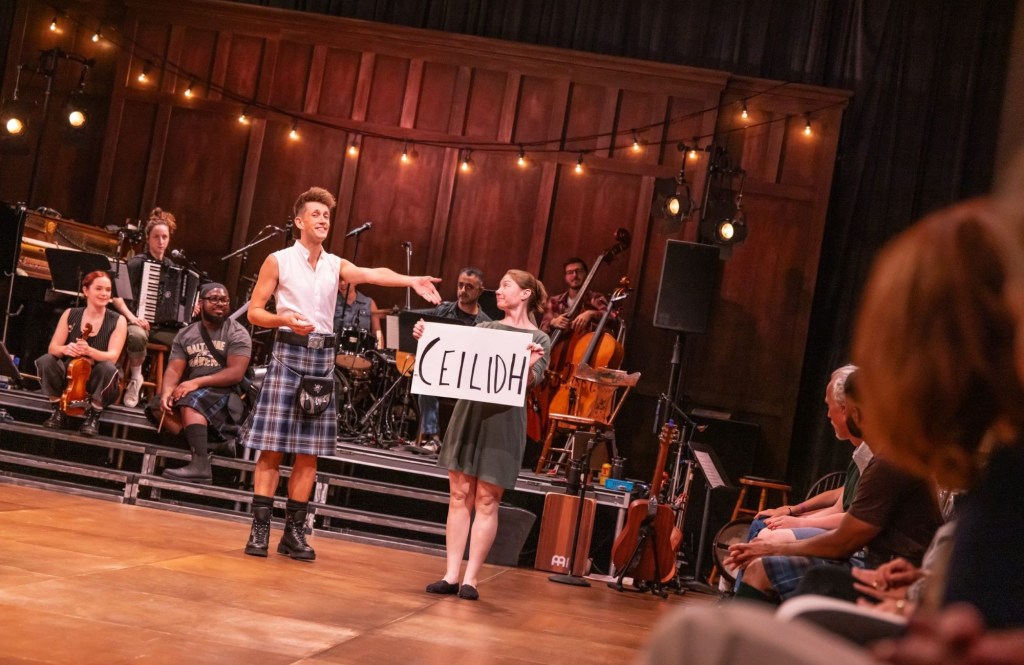
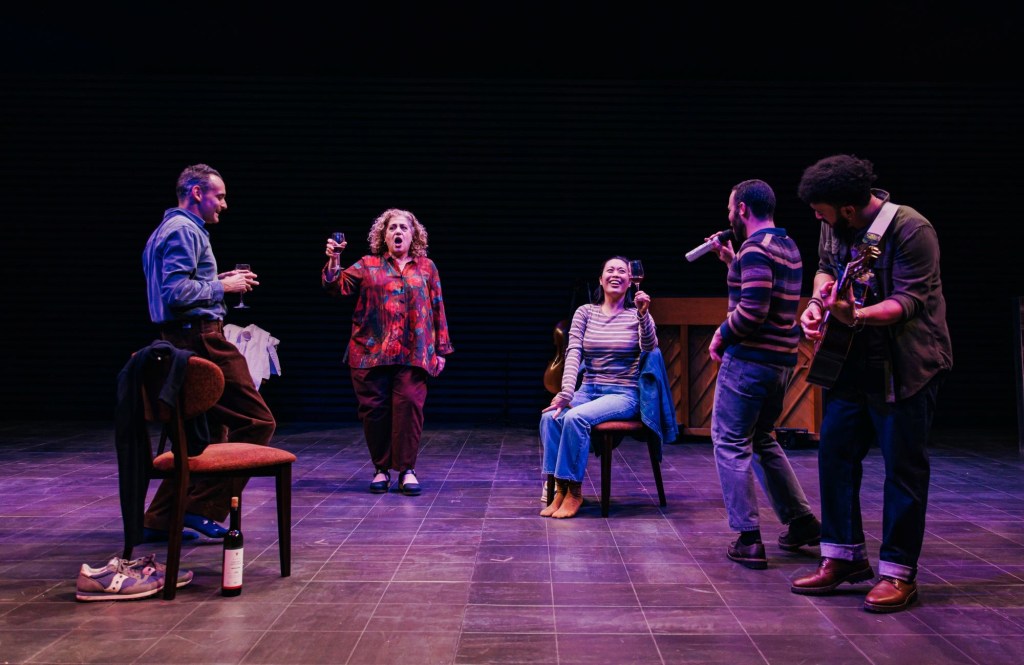
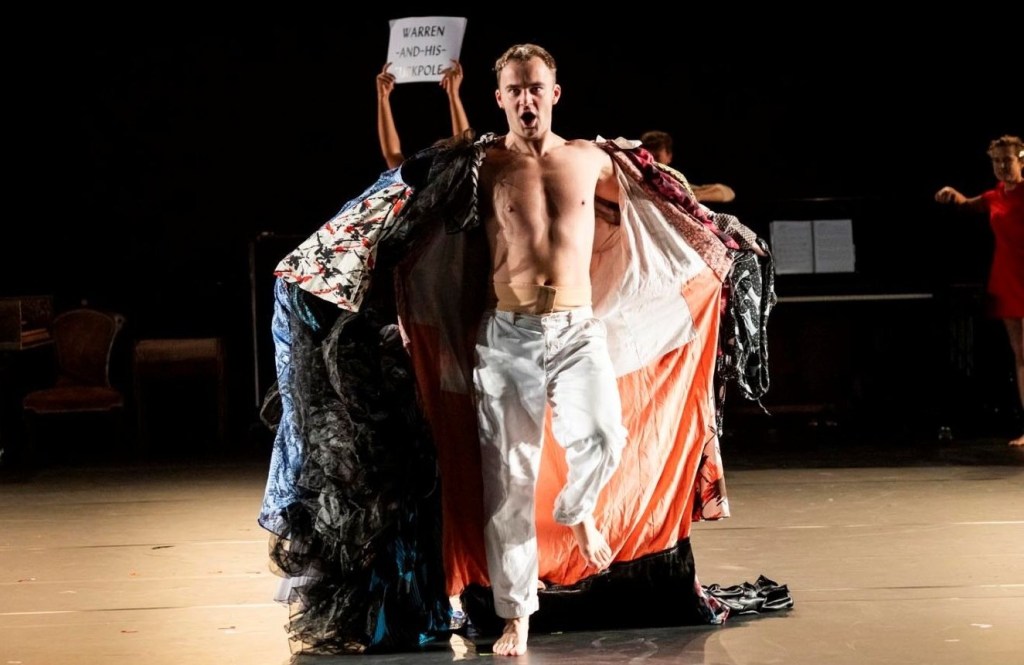
• Oratorio for Living Things, a musical meditation on time, recently concluded an Off-Broadway engagement at Signature Theatre after previously having been seen, not by me, at Ars Nova in 2022. It is written by Heather Christian and directed by Lee Sunday Evans, and it is, as a piece of theatre, neither finished nor wholly effective, despite having much to savor. The piece, which runs roughly 90 minutes, is performed by 12 vocalists and six musicians, and it unfolds as a succession of movements, divided into three parts: Time at the Quantum Scale (Elements of Origin), Time at the Human Scale (Memory), and Time at the Cosmic Scale (Violence). Christian is a marvelous composer, with a vibrant, individual voice, and her music, for the piece, manages to be both intellectually and emotionally stimulating, drawing on an amalgam of styles, and frequently fusing the 12 voices into a single sonic organism. (The music direction, by Ben Moss, is exquisite, dynamic, pristine.) Plus, the larger choral numbers tend to contain an exhilarating internal development, with the layering-in of voices and instruments and themes, building to a glorious explosion, with the mostly abstract, poetic-leaning lyrics, several written in Latin, making a modest contribution to the momentary musical hysteria. But the thematically ruminative affair, which sees the unremarkable introduction of spoken word near the finish, does not ultimately sustain, in a theatrical setting, succumbing to deficiencies in shape and routine and cohesion and propulsion and definition and drama, albeit to differing degrees, and the production, understandably staged in the round, is mystifyingly ragtag, almost to the point of being tacky, with a nucleus, hanging in the center of the space, that looks like a kindergarten art project. Still, Evans has, in her creaky staging, done a fine job of complementing the choral parts, strategically positioning the vocalists around the space and, in so doing, rocketing the energy around the same. (A calendar countdown involves, among other things, a three-part round, and it finds parts one and three of the round situated on the opposite side of the space from part two.) “Heat” has a delicious, involving story-lyric, beautifully musicalized, about a village of people that used to live on one’s knees, and “In the Moment” has a delicious, involving story-lyric, beautifully musicalized, about the birth of one’s younger brother. (“I’m swinging my legs through this banister, and I’m waiting for my mother to get home with this fully grown friend…”) But, like most of the solo work in the somewhat imbalanced offering, “Heat” and “In the Moment” involve multiple voices and or overlaid counter motifs, as part of a larger movement, and they do not develop into complete or substantial dramatic statements. Nor, in such cases, does the larger movement. “In the Moment” is led by Ashley Pérez Flanagan, and her performance is stunning.
RUMOR HAS IT…
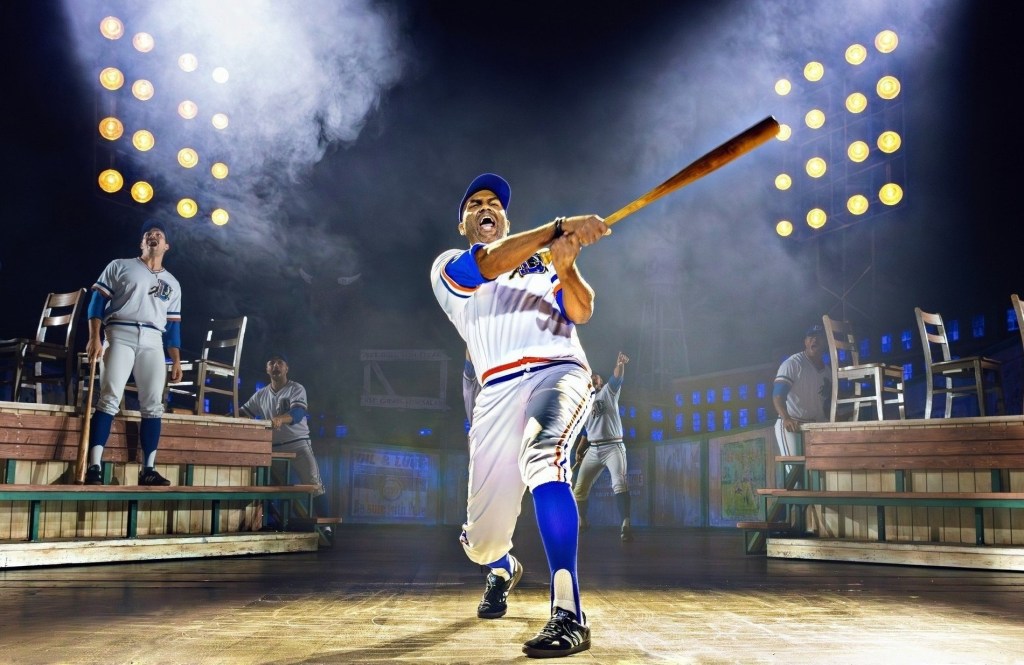
The upcoming revival of Damn Yankees, recently seen at Arena Stage, is likely to open on Broadway in fall 2026 at a Nederlander house. The Nederlanders have a long history with George M. Steinbrenner III and the Yankees, and the revival is being produced by Steinbrenner’s granddaughter, Haley Swindal.
FOR YOUR CONSIDERATION…
• A wickedly satirical musical based on the Patrick Dennis novel Paradise, perhaps titled An Orgy of Sex, Madness, and Mayhem in Acapulco, and perhaps with a book by Itamar Moses, lyrics and music by Joshua Schmidt, and direction by Tina Landau.
• A revival of the 1989 musical comedy City of Angels by Larry Gelbart, David Zippel, and Cy Coleman, necessarily with lyric revisions, perhaps by Mike Ross, and perhaps with direction by Robert Hastie.
PRESS ANNOUNCEMENTS
Here is a list of select press announcements from the past week. Each headline is clickable for more information.
• The Queen of Versailles Sets Broadway Closing
• Myles Frost to Star in Chez Joey at Arena Stage
• Labelle Rock Opera in Development from Nona Hendryx and Lynn Nottage
• Marc Bruni to Replace Kathleen Marshall as Director of Iceboy! at the Goodman; Megan Mullally to Star
• Just in Time Will Hit the Road on Tour in 2027
PREVIEWS AND OPENINGS
Here is a list of the new musicals and revivals either opening or beginning previews during the upcoming week, specifically on Broadway and Off-Broadway. It contains, as well, select new musicals beginning performances regionally, and select new musicals and revivals beginning performances in New York City. Each title is clickable for more information.
Monday, December 1
Tuesday, December 2
• Opening: The Faggots and Their Friends Between Revolutions
Wednesday, December 3
• Opening: Gotta Dance
Thursday, December 4
Friday, December 5
Saturday, December 6
Sunday, December 7
Photo of Sherie Rene Scott in The Queen of Versailles by Julieta Cervantes.
One response
-
Sounds like you don’t really like theatre. Maybe a different profession?
LikeLike







 The Musical Theatre Report
Leave a reply to Ian Wrathemore Cancel reply