A journal for industry and audiences covering the past, present, and future of the musical stage.
Today is Sunday, and this week’s Report features “A Brutal Take on the Tony Awards,” “The Inaugural Tony Awards,” and “Inside Stories” concerning Warriors and Neil Patrick Harris on Broadway next season. Plus, a quote of the week; select press announcements from the past week; and a list of the upcoming week’s previews and openings.
QUOTE OF THE WEEK
The lyric, by Howard Dietz, for “Day After Day,” from the 1932 revue Flying Colors. It is reprinted here as originally typed, with the chorus laid out in four columns and eighteen rows.
We greet the town’s unvarying scene
Same round of friends in the same routine
Going on the wagon every morning,
Going off the wagon every night.
What do I do?
How is one to say?
The same old thing goes on every day
Going on the wagon every morning,
Going off the wagon every night:
Wake
Wake
Head
Ache
Read
Paper
Drink
Coffee
Bathe
Dress
Phone
Girl
Date
Lunch
Talk
Walk
Shop
Home
Date
Cocktail
Party
Home
Dress
Eat
Drink
Soup
Fish
Meat
Salad
Sweet
Coffee
Brandy
Brandy
Brandy
And
Another
Motor
Theatre
Play
Lousy
Night
Club
Drink
Dance
Supper
Drink
Motor
Home
Little
Nest
Dot
Dash
Dot
Dash
Motor
Home
My
Home
Stagger
Bed
Bathroom
Bed
Wake
Up
Take
Off
Clothes
And
Go
To
Sleep
Sleep.
INSIDE STORIES
• Warriors looks set to open on Broadway next spring at the Lunt-Fontanne Theatre. The new musical, by Eisa Davis and Lin-Manuel Miranda, is based on the 1979 film, based on the 1965 novel. A “concept album” was released in 2024.
• Neil Patrick Harris will play Applegate in the revival of Damn Yankees opening on Broadway next spring. An in-the-round version of the new production played Arena Stage in Washington, DC last fall. (See my review.)
A BRUTAL TAKE ON THE TONY AWARDS
The 2025-2026 Broadway season was, artistically, a disaster, in terms of the musical stage, and the disastrous season has only reinforced the need for a new approach to the way in which the Tony Awards are administered – if the Tony Awards are, in fact, focused on the recognition of artistic excellence. Indeed, the Tony Awards have not been focused, exclusively or primarily, on the recognition of artistic excellence for decades, even as they continue – disturbingly, given the current circumstances – to be the exclusive or primary means by which the general press, the general public, and even members of the industry interpret quality, value, and worth; and even as they continue – detrimentally, given their current existence as the blinding focal point of the Broadway season – to be the means by which many productions literally live or die.
The manner in which the Tony Awards are administered has real, practical implications – especially for the future of the art form. Are this season’s lyrics, for instance, lyrics of the quality to which future generations should aspire? Are this season’s books? Is this season’s music? Is this season’s direction? Are this season’s performances? Are this season’s lighting designs? Etc. Anyone with a genuine interest in – and resolute commitment to – artistic excellence must answer, “No,” while acknowledging a small number of possible exceptions. So, why are we now celebrating these lyrics, these books, these stagings, etc., and under the banner of artistic excellence no less? What is preventing us from collectively saying, “We can do better?”
In point of fact, the art form that I, for one, love and adore developed and matured, artistically, because a collection of individuals, like George Abbott, Otto Harbach, Oscar Hammerstein II, Moss Hart, Harold Rome, and Harlan Thompson, said, “We can do better.” Perhaps part of our collective problem today is the overwhelming failure, of the industry and its pipelines, to understand, practically and historically, the maturation of the art form, in the middle of the last century, and the standards of excellence in musical storytelling – not to be confused with the nonexistent rules of musical theatre – simultaneously established, in the middle of the last century – when, incidentally or not, the Tony Awards were founded.
I have already advocated for – and I will continue to advocate for – a return to the Awards’ original design, with no formal nominees, no fixed categories, and no labeling of “the best,” recognizing, instead, twenty or so outstanding contributions to the Broadway stage, whether those contributions be made by a performer, a director, a music arranger, a wig designer, a prop designer, a photographer, a marketing firm, or an industry professional serving in some other capacity, with no mandated minimums, no obligations to recognize one or more individuals in a particular line, no contests, no campaigns. (Every musical must stand and be taken on its own, albeit within the context of the art form of which it is a part, and to label a musical or any one of its components as the comparative “best” is, in most cases, nonsensical, and perhaps even detrimental to the form.)
Returning the Awards’ to their original design would simultaneously allow the ceremony to become a true marketing event, perhaps with performances from every musical that opened during the respective season, and perhaps even with performances from current long-running and upcoming musicals. Such a ceremony would, by the way, be considerably closer to the sort of festive, unstuffy affair that the founders envisioned and initially enacted. The marketing value of the Tony Awards need not infect their administration – which should be focused, exclusively, on the purpose for which they were founded.
Here, with that in mind, is a discussion of this year’s nominations, category by category, with an exclusive focus on the recognition of artistic excellence, marked especially by skill, distinction, and definitiveness; and with a slash having been made through the name of any nominee deemed unworthy of such recognition. And let us be clear: just because one “likes” a musical does not mean that the musical has been skillfully or distinctively written; just because one “likes” a production does not mean that the production has been skillfully or distinctively staged and performed; and just because one “likes” the story of a musical does not mean that the story has been skillfully or distinctively told. Indeed, whether or not one “likes” a musical or a production has little or no relevance in discussions of artistic excellence. Why one “likes” a musical or a production is an entirely different matter.
Best Musical
• The Lost Boys
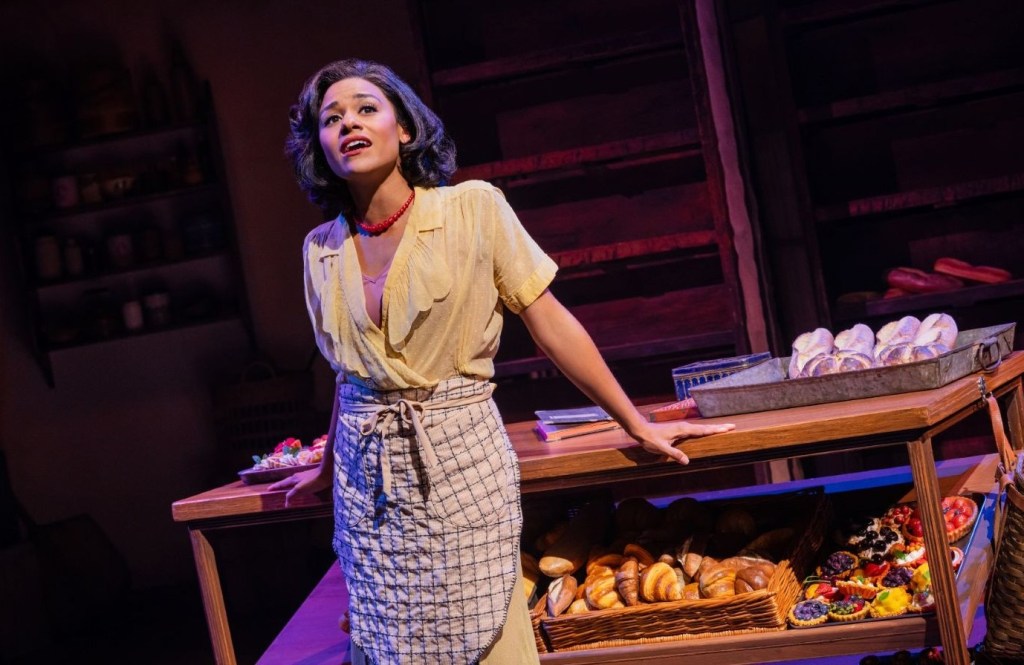
• Schmigadoon!
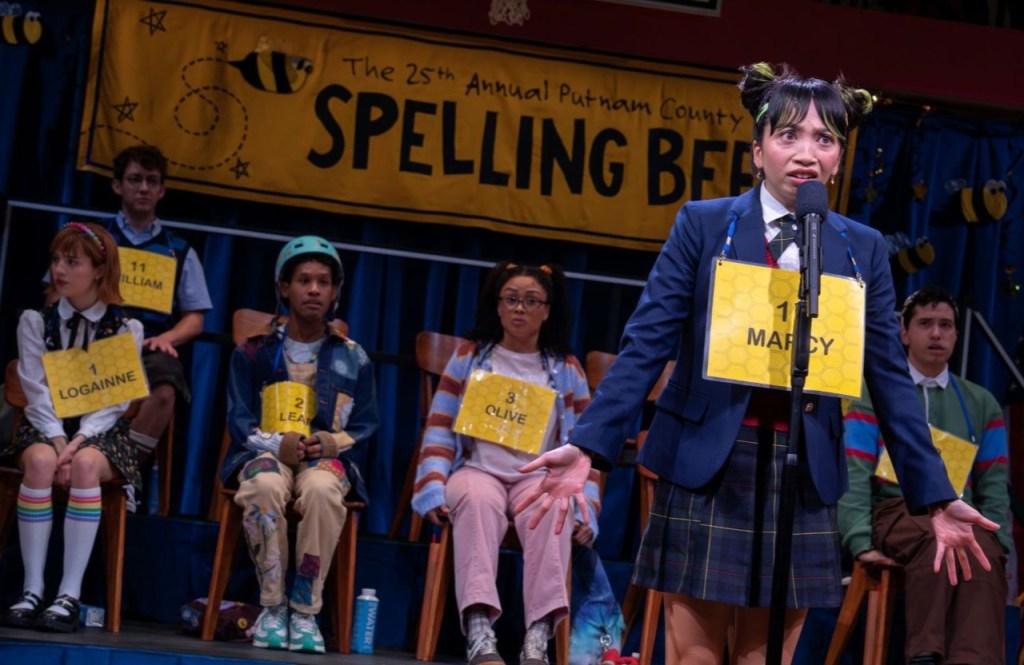
• Titaníque
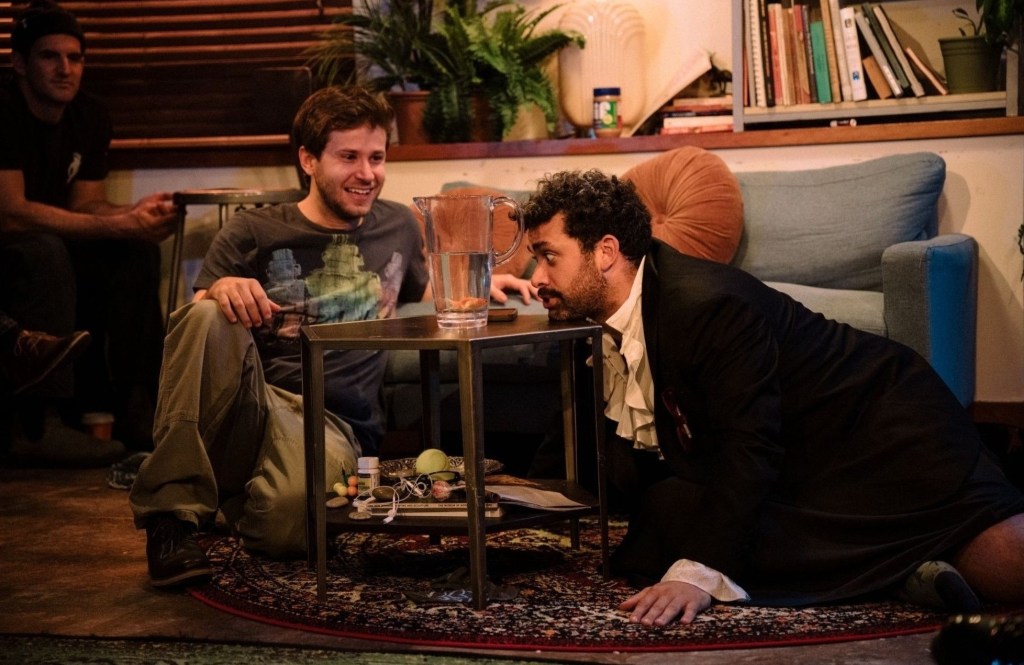
• Two Strangers (Carry a Cake Across New York)
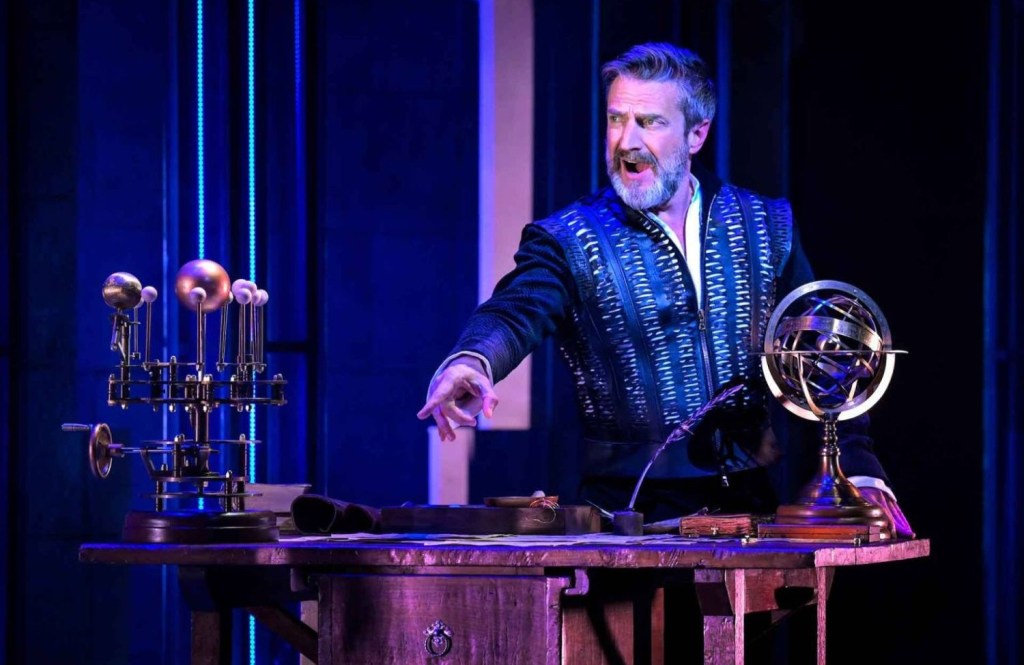
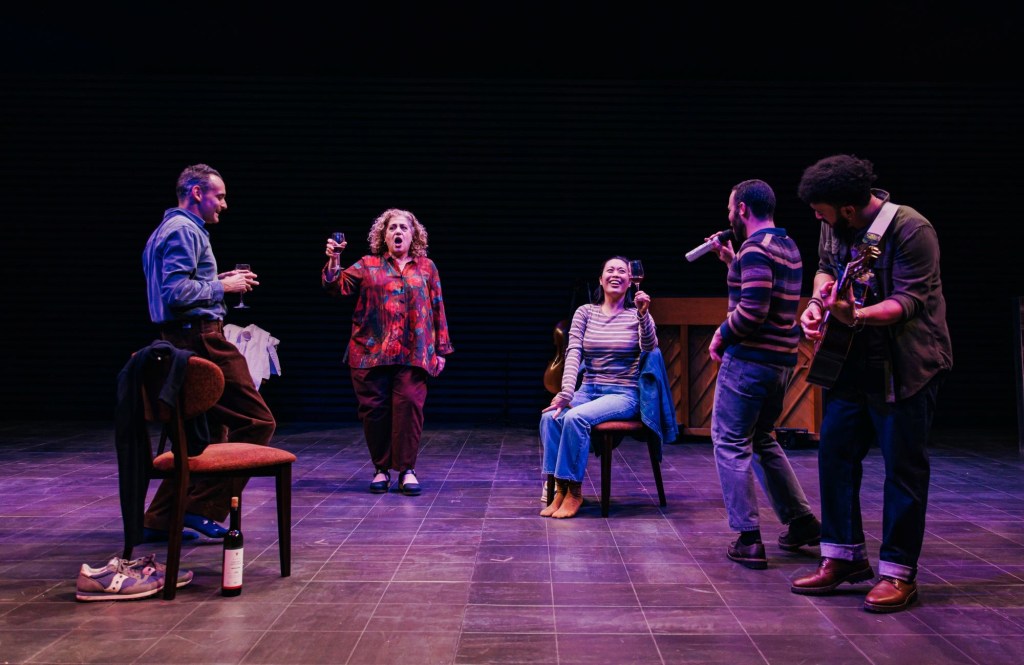
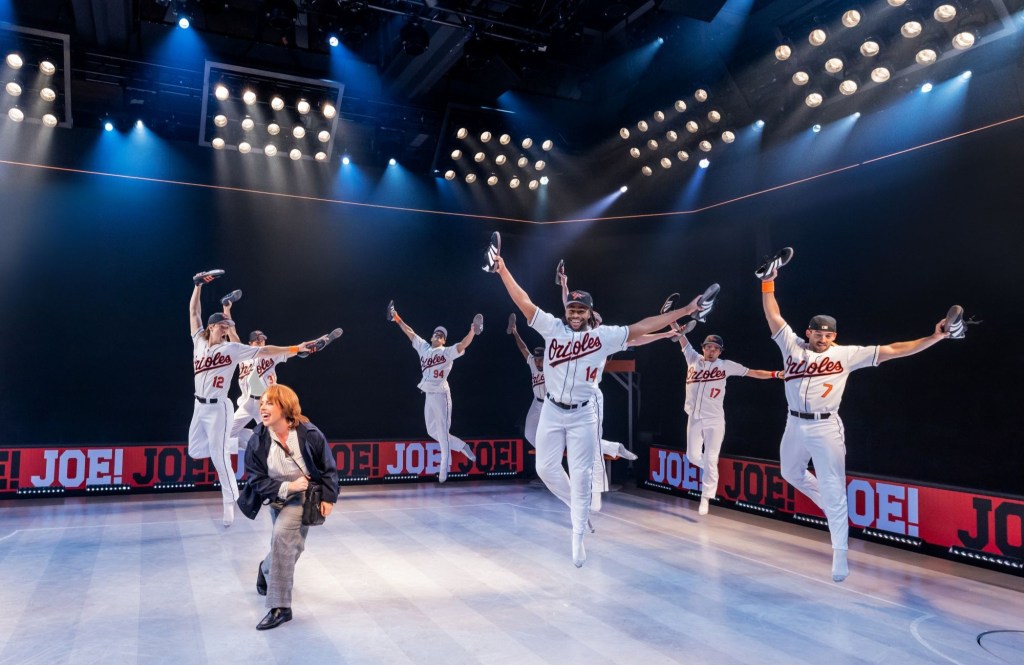
Not one of this season’s new musicals, including Beaches and The Queen of Versailles, is even moderately well done, in material or production, and not one of them is worthy of being billed, permanently or temporarily, under the banner of artistic excellence, not one of them has earned such billing. The lack of skill and expertise, with regard to the musical stage and musical storytelling, displayed, to different degrees, in each of these six offerings is appalling, especially at this level of the industry, and the lack of ingenuity, to different degrees, only further sours the situation. Similarly appalling, at least to me, are the claims of ‘greatness’ being made by certain individuals associated with these shows. (Christopher Gattelli!)
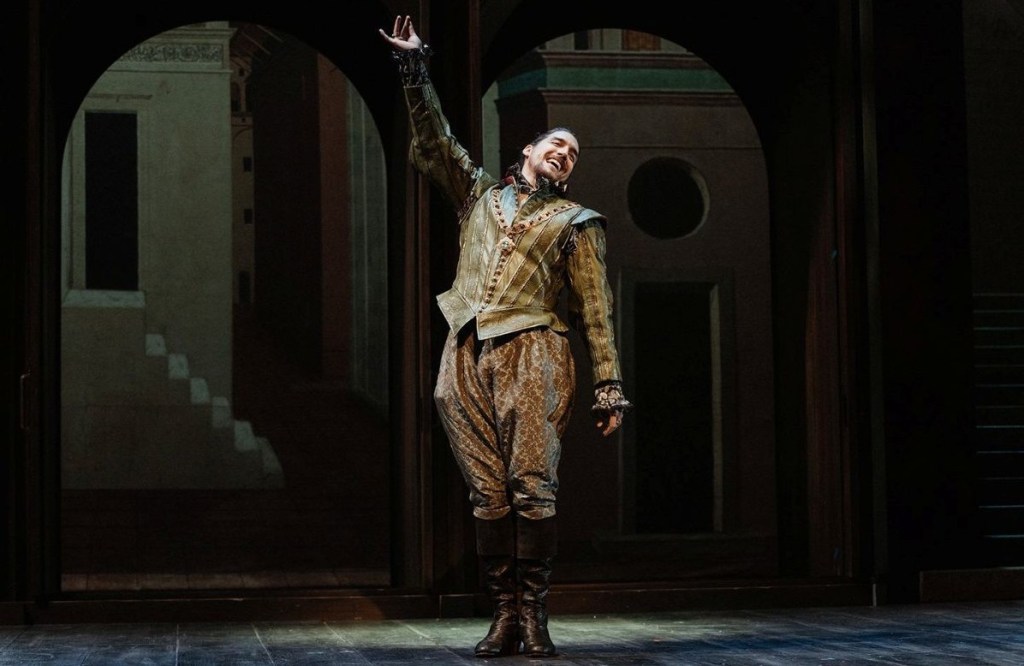
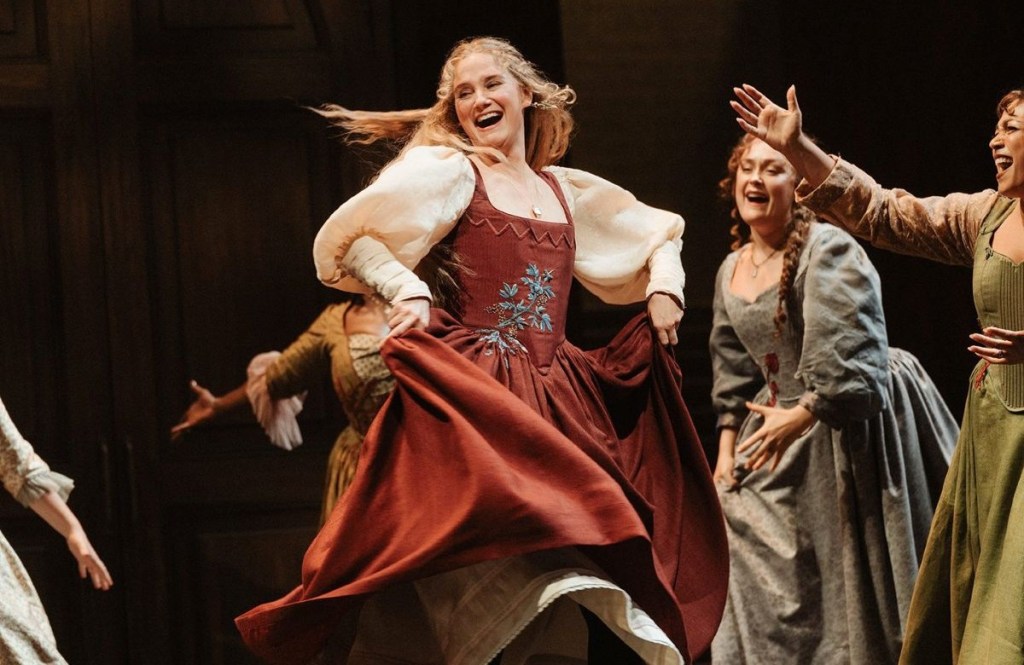
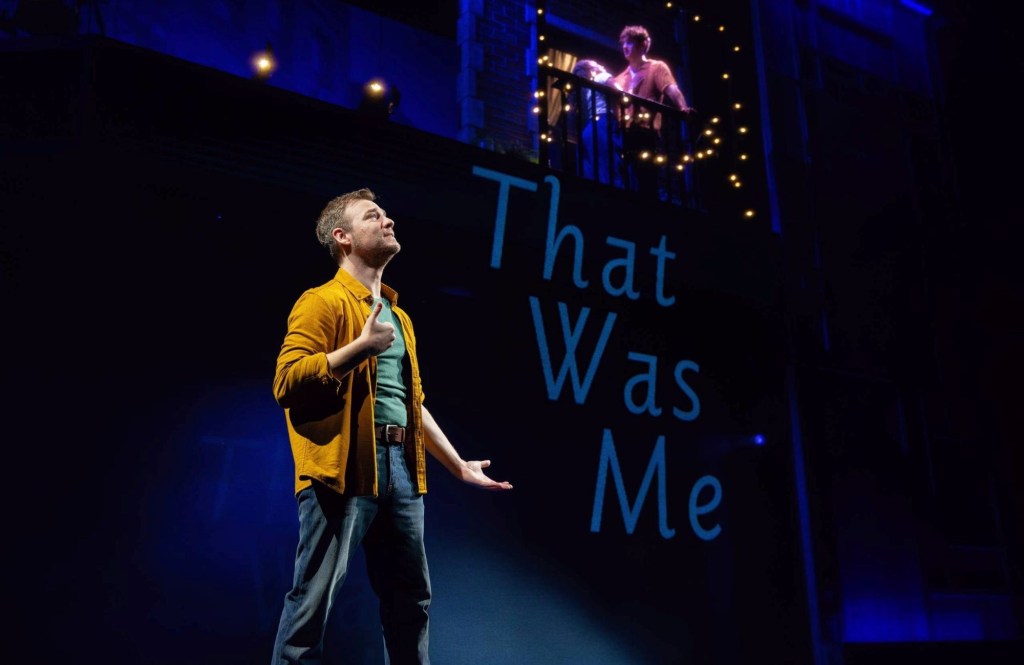
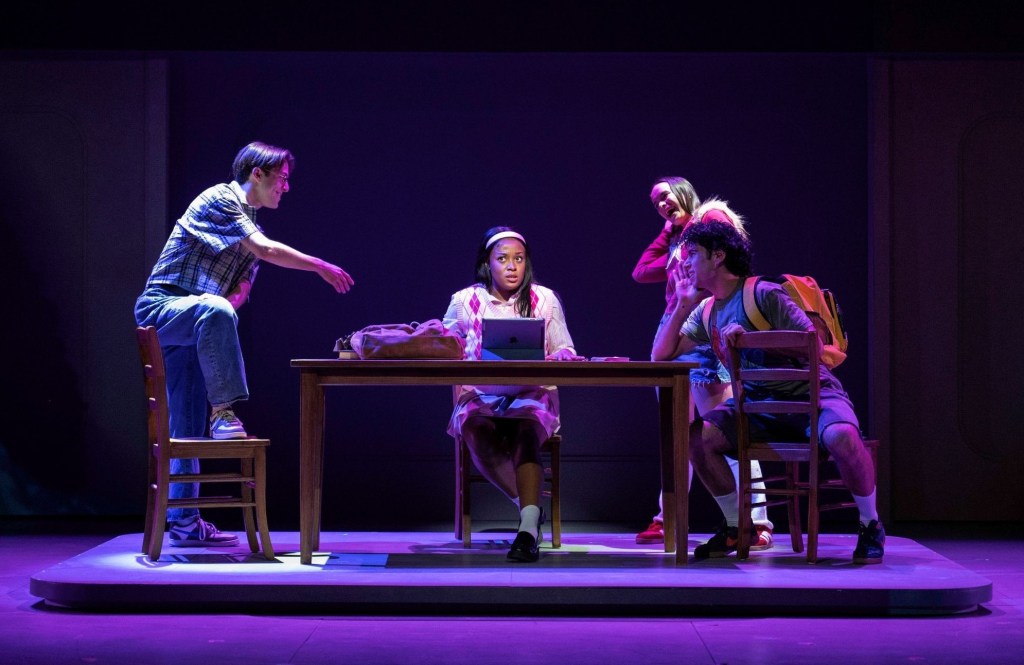
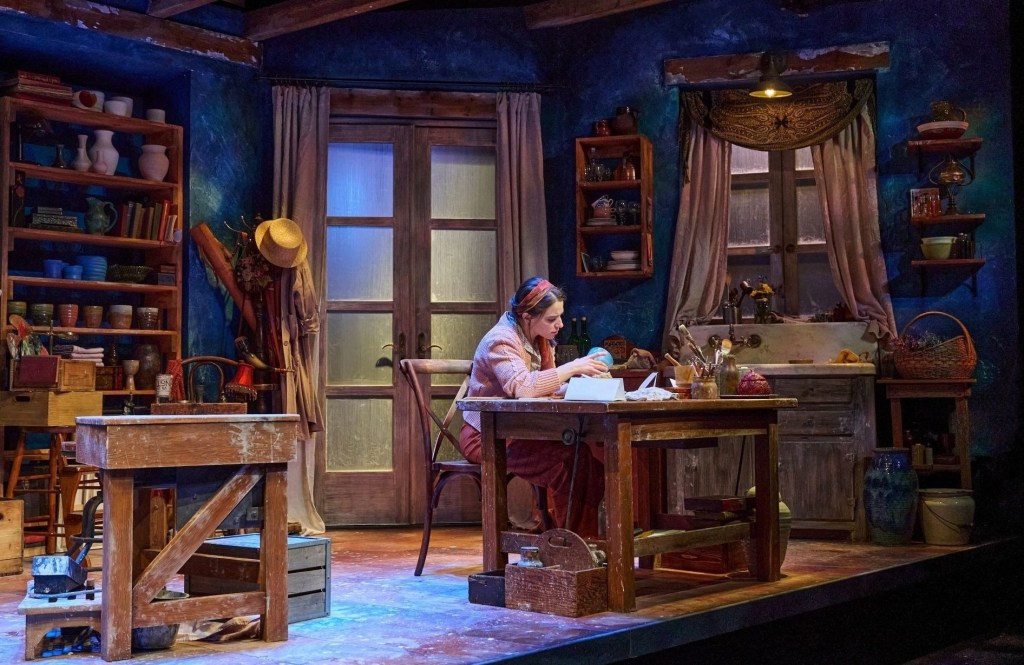
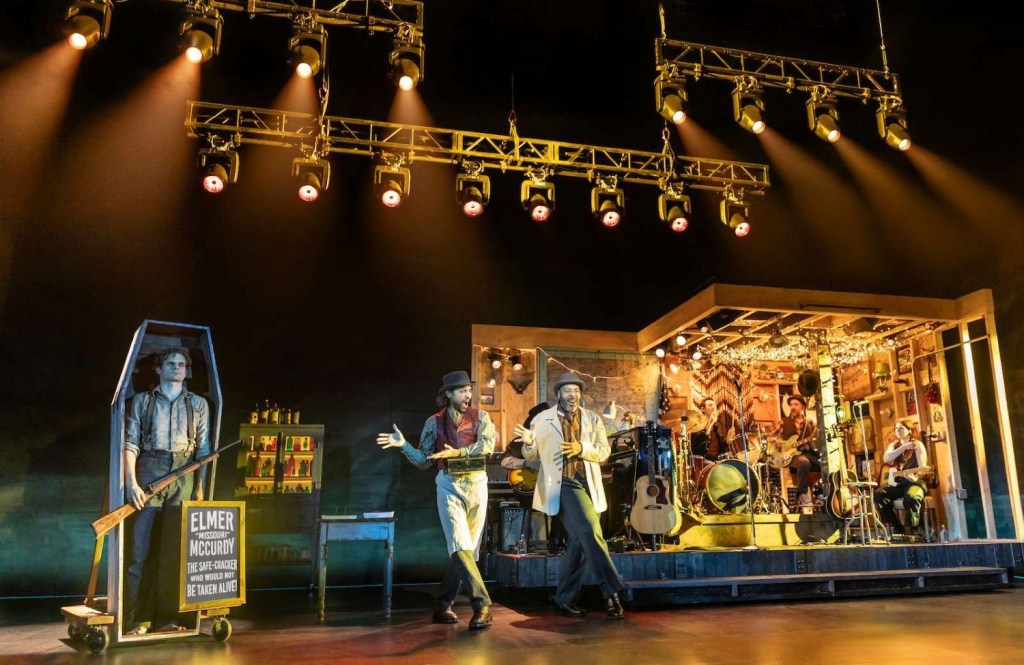
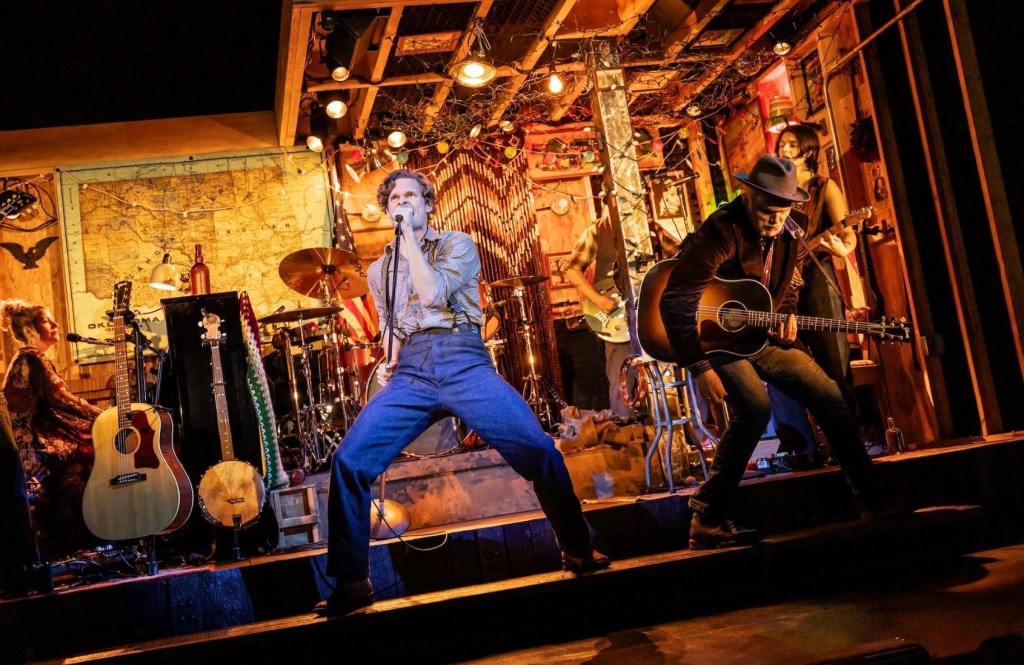
Schmigadoon!, in particular, is an excruciating, ramshackle charade, fragrant with incoherence and ineptitude, and Two Strangers (Carry a Cake Across New York) is a syrupy, mostly superficial, terribly faulty affair, filled with factory-made incidents hammered together by external forces. And, to underscore these strongly worded points, I have provided, in my review of Schmigadoon! and in my review of Two Strangers (Carry a Cake Across New York), a rigorous, detailed analysis of each piece, based on objective observation, and understanding, practically and historically, the aforementioned maturation of the art form, in the middle of the last century, and the standards of excellence in musical storytelling simultaneously established. Like them, love them, loathe them: the opinion is rightly yours. But you simply cannot, as a matter of craft, completeness, distinction, or dramatic effectiveness, tell me that either Schmigadoon! or Two Strangers (Carry a Cake Across New York) is a “great” musical, in material or production.
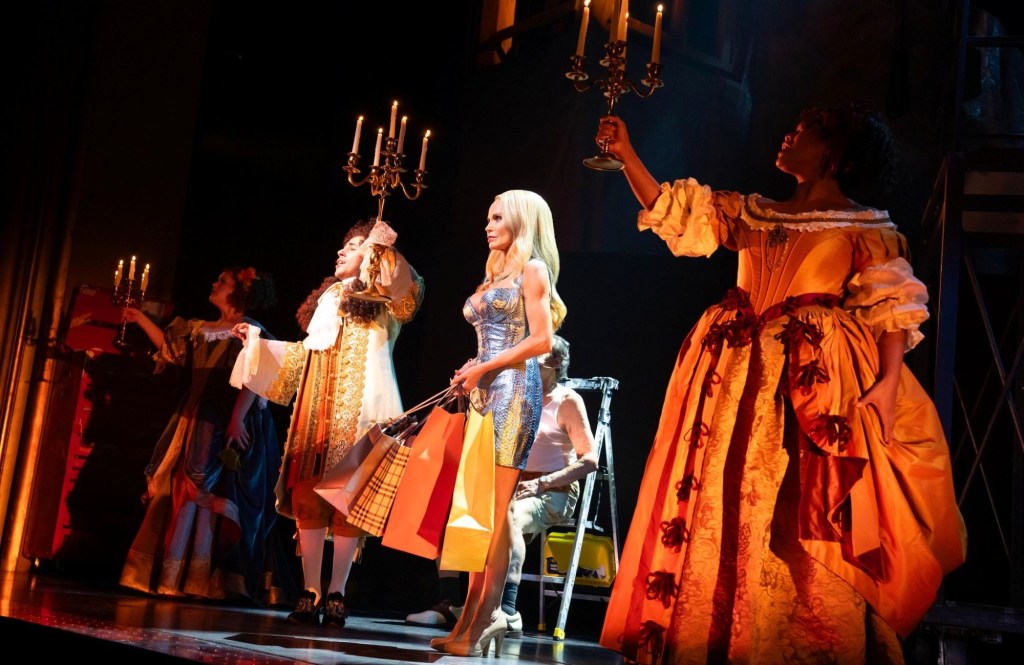
The Queen of Versailles might have been a thrilling theatrical affair, for it is built upon an extraordinarily compelling story, but Lindsey Ferrentino, Stephen Schwartz, and Michael Arden failed, in a most spectacular fashion, to translate that story to the stage. (A stark reminder of the difference between story and craft.) They evidently failed to even get on the same page as creatives and collaborators. (See my review for a detailed analysis.)
The Lost Boys is a relentlessly dull atrocity, notable for its terrible lyrics and its gross mishandling of spectacle, a nonetheless valuable theatrical tool. (See my review.) Beaches is a gloomy affair. (See my review.) And, as previously noted, Titaníque feels, in the worst way, like an expanded version of a childish skit that the creators cooked up to entertain themselves in the final five minutes of a dispiriting dinner party. (See my review.)
But we must not lose hope, and we must not lose heart, for the future of the musical theatre remains as bright as it has ever been, filled with the possibility of excellence, which is not mutually exclusive with freshness or fun, and the 2026-2027 Broadway season is already shaping up to be something special – on paper.
Best Musical Revival• Cats: The Jellicle Ball• Ragtime• The Rocky Horror Show
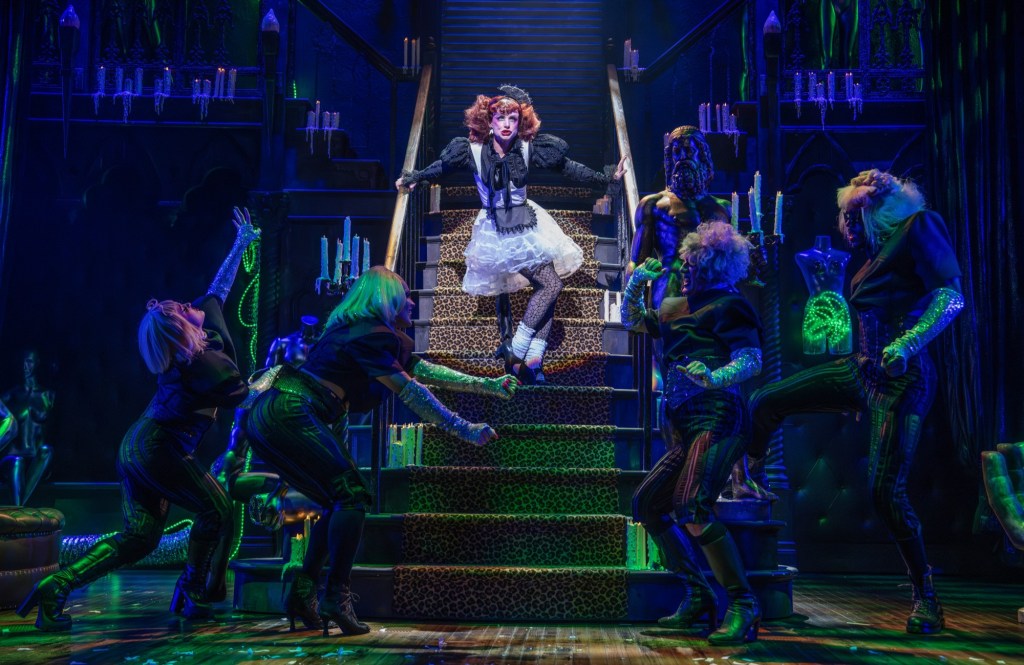
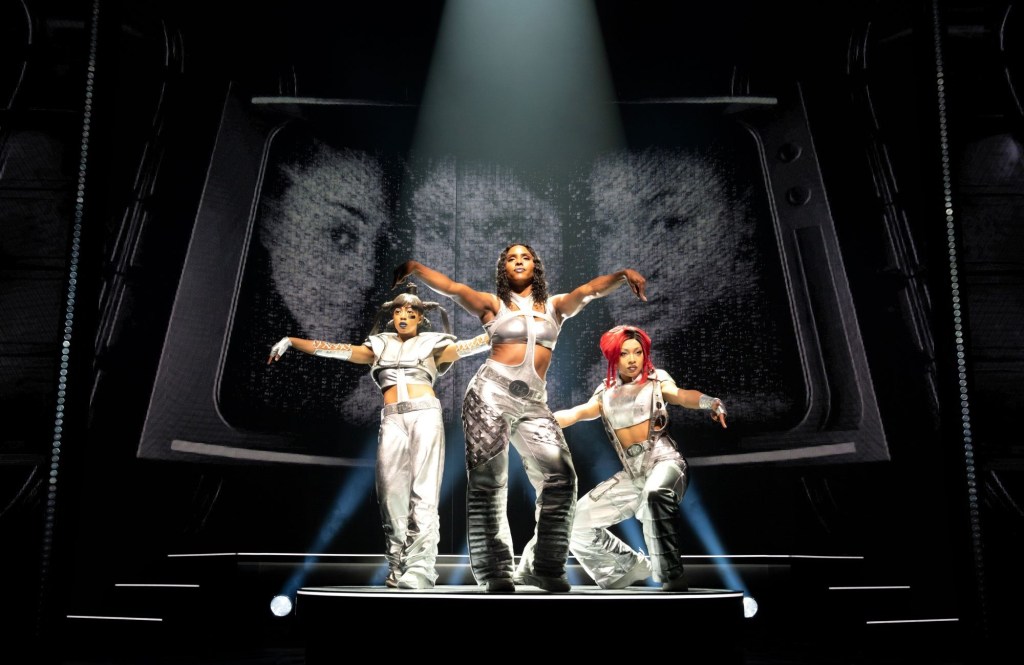
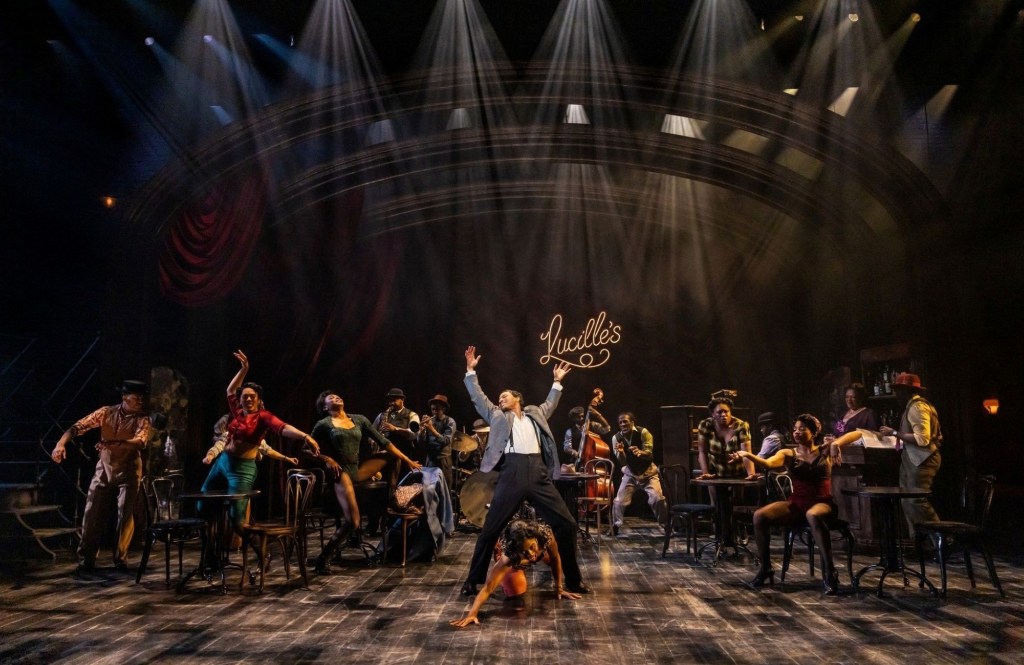
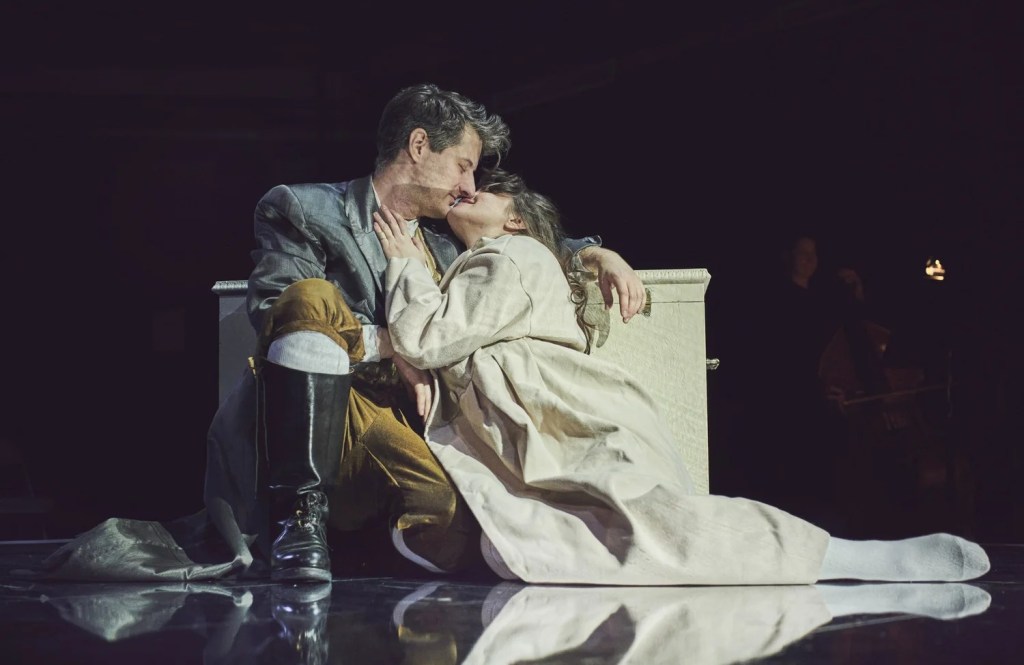
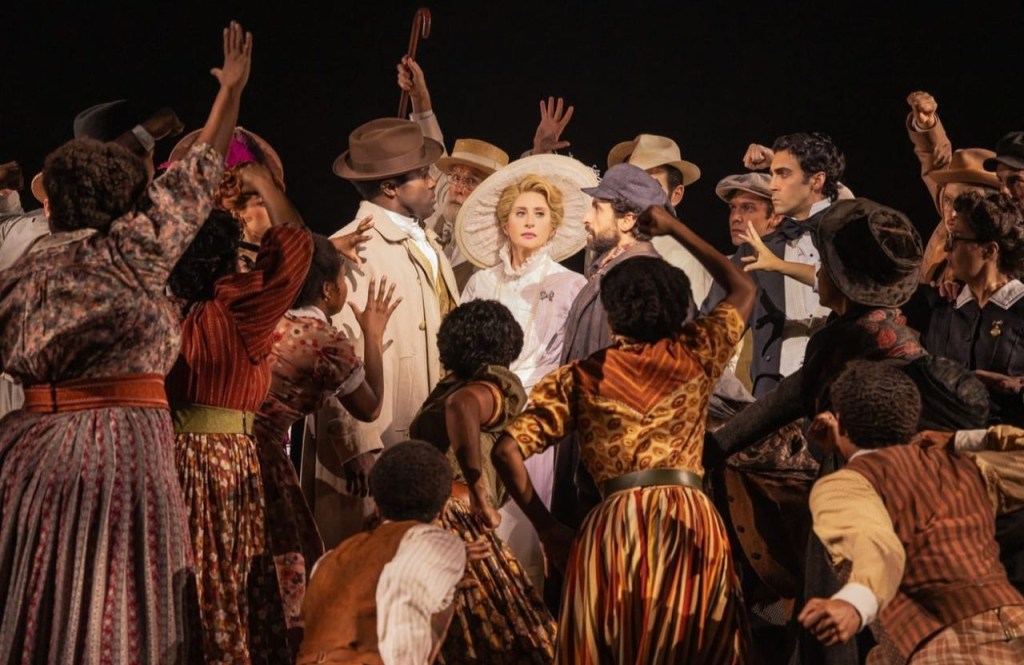
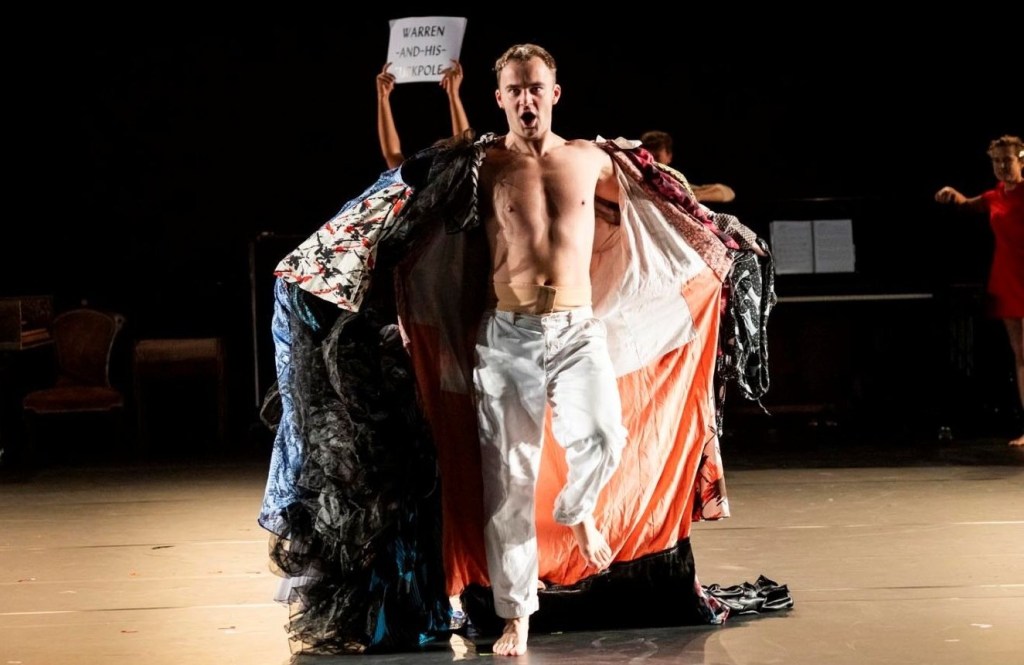
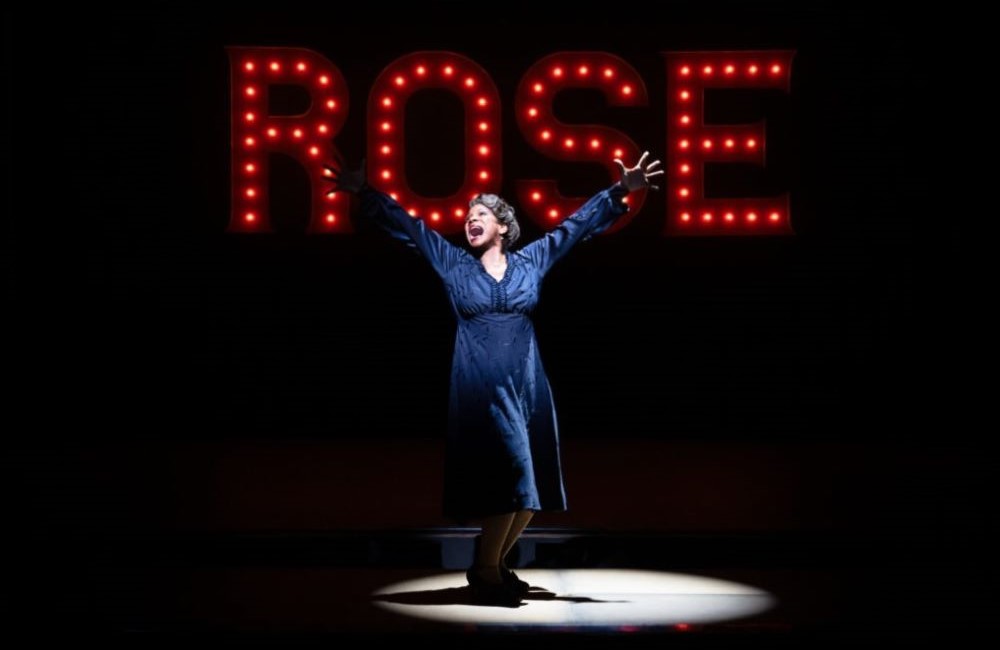
Cats: The Jellicle Ball and Ragtime are infuriatingly poor productions, with extreme deficiencies in showmanship and craft. And, in the case of Ragtime, imagination. (See my review of Cats: The Jellicle Ball and my review of Ragtime for a detailed analysis, and a brief discussion of the latter’s historical inaccuracies.) Relatedly, the largely rhapsodic reception that has been accorded these two revivals is, to me, extremely disturbing, and it speaks volumes about the dreary state of critical affairs (which, importantly, is unhelpful to artists, shows, and the future of the form). Likewise the largely rhapsodic reception that has been accorded Schmigadoon! Cats: The Jellicle Ball nonetheless contains one nearly thrilling moment, and its queer ballroom concept remains promising – on paper.
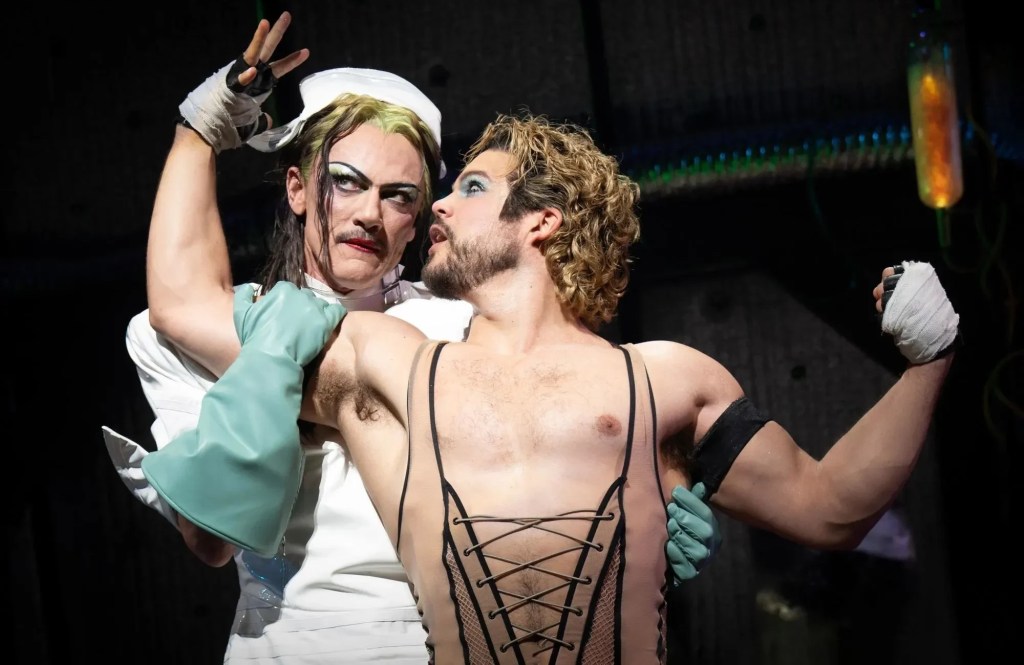
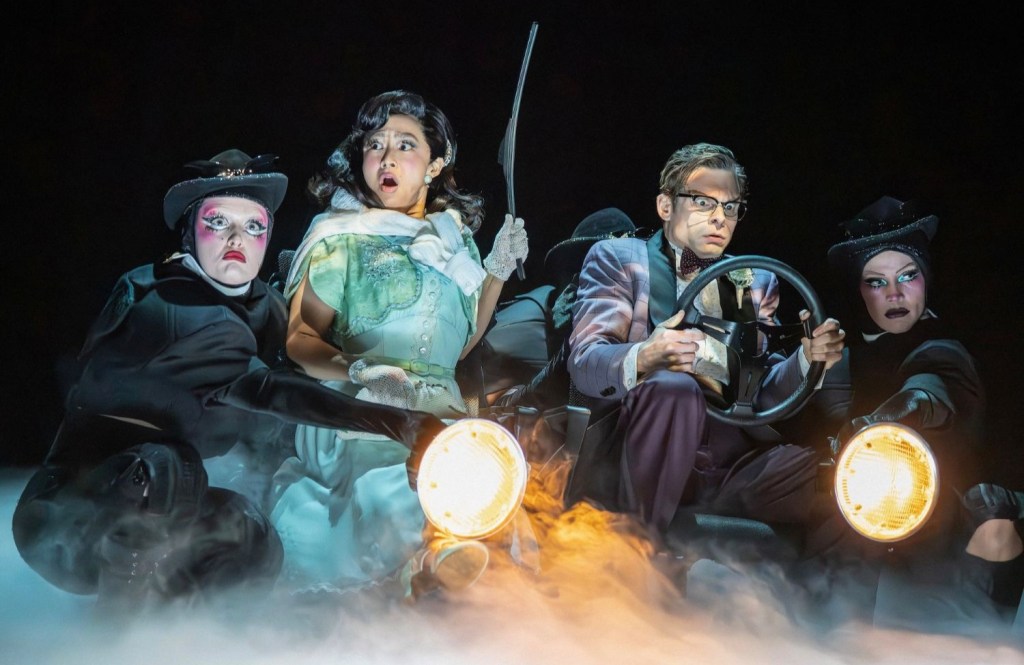
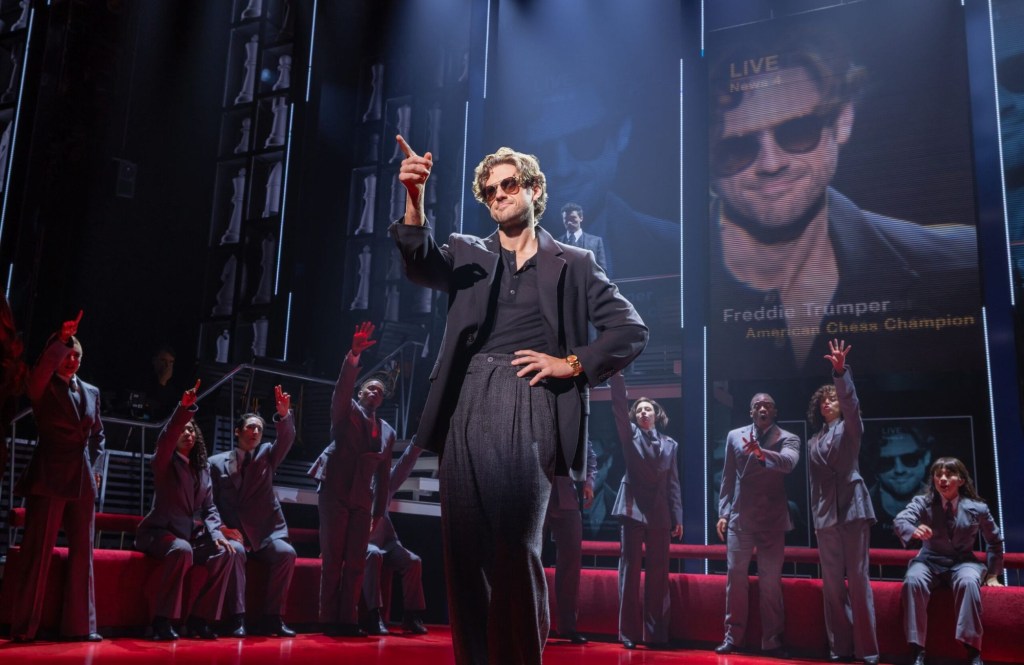
The Rocky Horror Show is a passable production, with several things to appreciate on a macro level, but the micro problems are numerous, and the property is ridiculous. (See my review.) Chess is a numbing theatrical travesty, and while its songs may be hugely profitable in the popular-music sphere, for concert, radio, and recording, they wilt on the theatrical stage, largely failing to serve the story, situations, and characters for which they were written. (See my review.) And I failed to take in Mamma Mia! Thus, I cannot speak to it.
Best Book• Jim Barne and Kit Buchan, Two Strangers (Carry a Cake Across New York)• Tye Blue, Marla Mindelle, and Constantine Rousouli, Titaníque• Chris Hoch and David Hornsby, The Lost Boys• Cinco Paul, Schmigadoon!
The book of a stage musical is not merely the spoken dialogue. It is the structure, the composition, the characters, the plot (where applicable), the situations, the incidents, the environment, and the musical routine. The books belonging to this season’s new musicals are deeply inferior – though a handful of cynical laugh lines in Schmigadoon! are solid; many of the music and sound cues in Titaníque are wonderfully crisp; and some of the dialogue and one instance of physical comedy in Two Strangers (Carry a Cake Across New York) are very strong, happily rooted in situation and character. Indeed, Barne and Buchan carry real interest as writers, and I hope they will approach their next piece with detail and rigor. And a stronger command of the craft of lyric writing (for the stage).
Best Original Score• Jim Barne and Kit Buchan, Two Strangers (Carry a Cake Across New York)• Cinco Paul, Schmigadoon!• The Rescues, The Lost Boys
The score of a stage musical is an integral part of the storytelling, and the lyrics, in particular, must, with nearly no exceptions, delineate and deepen character, propel the individual moment, propel the overall narrative, and articulate the thoughts and furnish the dramatic action present in the respective song, regardless of whether or not that song is designed to further the plot, and disregarding, to an extent, songs that serve as performance pieces. And that is just the beginning, for the facets of a theatrical score are numerous.
When a musical is discovered to be dramatically ineffective, the impulse, had by most individuals, is to blame the book, but, in such instances, the score, especially the lyrics, almost certainly deserves a share of the blame, and one need look no further for evidence of that artistic reality than the scores, especially the lyrics, of this season’s new musicals! That said, Two Strangers (Carry a Cake Across New York) contains several moments and motifs that are solidly theatrical, and Schmigadoon! contains intermittent splashes of lyrical cleverness, sadly sedate.
Note: Two plays have been nominated in this category, but I have omitted them from this discussion, given the focus on musicals, and the consideration of Schmigadoon! in this category is a shining example of the perverse way in which the Tony Awards are presently administered.
Best Direction• Michael Arden, The Lost Boys• Lear DeBessonet, Ragtime• Christopher Gattelli, Schmigadoon!• Tim Jackson, Two Strangers (Carry a Cake Across New York)• Zhailon Levingston and Bill Rauch, Cats: The Jellicle Ball
The work of this season’s directors, of new musicals and revivals, is, on the whole, borderline offensive, and one would be well advised to examine the receipts before suggesting my comment is the same: undefined worlds, imprecise and unmotivated blocking, lack of dramatic development, lack of synchronicity, lack of crispness and specificity, purposeless straight lines, disregarded lyrics, clumsy transitions (perhaps better termed dramatic progressions), artificially posed buttons, failure to ramp into song, etc.
But the work of Sam Pinkleton on The Rocky Horror Show is a happy and heartening surprise, given what little feeling for the musical stage Pinkleton revealed in his prior work, as director and or choreographer, and two moments in the second act of The Rocky Horror Show are marvelously well done. If only the same could be said for the entire production. And the work of Michael Mayer on Chess carries considerable tension and interest for the first roughly 25 minutes, despite the many blunders contained therein.
Best Performance By an Actress in a Leading Role
• Sara Chase, Schmigadoon!• Stephanie Hsu, The Rocky Horror Show• Caissie Levy, Ragtime
• Marla Mindelle, Titaníque
• Christiani Pitts, Two Strangers (Carry a Cake Across New York)
Sara Chase, of Schmigadoon!, and Stephanie Hsu, of The Rocky Horror Show, are giving very strong performances, but their performances are not definitive and do not rise to the level of excellence. Christiani Pitts, of Two Strangers (Carry a Cake Across New York), is solid, having gained a personality since the Boston run. Caissie Levy, of Ragtime, is adequate, but no more. Marla Mindelle, of Titaníque, is passable. And so on and so forth.
Incidentally, one of the most promising performances of the season was that of Sherie Rene Scott in The Queen of Versailles, but her performance was neither fleshed out nor refined, because, at least in part, Scott, who served as special standby to Kristin Chenoweth, necessarily had not the time.
Performance By an Actor in a Leading Role
• Nicholas Christopher, Chess
• Luke Evans, The Rocky Horror Show• Joshua Henry, Ragtime• Sam Tutty, Two Strangers (Carry a Cake Across New York)
• Brandon Uranowitz, Ragtime
Alex Brightman, of Schmigadoon!, and Sam Tutty, of Two Strangers (Carry a Cake Across New York), are giving very strong performances. Andrew Durand and Luke Evans, of The Rocky Horror Show, and Brandon Uranowitz, of Ragtime, are solid, though the latter must be dinged for his poor handling of the mechanics in “Gliding.” Nicholas Christopher, of Chess, is inadequate. (Fiddling with a chess piece from time to time is not the same as carving out a complete, idiosyncratic character, and Christopher does not get extra points for generalized intensity.) Joshua Henry, despite a powerful vocal instrument, is similarly inadequate, bouncing around the stage with a pretentiousness and a pomposity. And so on and so forth.
Best Performance By an Actress in a Featured Role• Shoshana Bean, The Lost Boys• Hannah Cruz, Chess• Rachel Dratch, The Rocky Horror Show• Ana Gasteyer, Schmigadoon!• Nichelle Lewis, Ragtime
Hannah Cruz, of Chess, is giving a very strong performance. Leiomy and Emma Sofia, of Cats: The Jellicle Ball, McKenzie Kurtz and Isabelle McCalla, of Schmigadoon!, and Melody Butiu, of The Queen of Versailles, are solid. Samantha Schwartz, of Beaches, is endearing. Shoshana Bean, of The Lost Boys, is adequate, but no more. Nichelle Lewis, of Ragtime, is inadequate. Rachel Dratch, of The Rocky Horror Show, and Ana Gasteyer, of Schmigadoon!, are the pits. (Though The Rocky Horror Show may be a rare instance of actors taking longer than usual – or longer than expected – to grow into – or settle into – their roles.) And so on and so forth.
Best Performance By an Actor in a Featured Role• Ali Louis Bourzgui, The Lost Boys• André De Shields, Cats: The Jellicle Ball
• Bryce Pinkham, Chess
• Ben Levi Ross, Ragtime (?)
• Layton Williams, Titaníque
Bryce Pinkham, of Chess, is giving a dynamite performance in an absurd role, and one might make an argument for excellence for Layton Williams, of Titaníque. (I would not be the individual to do so.) Junior LaBeija, of Cats: The Jellicle Ball, is giving a very strong performance, sabotaged by the staging. Ali Louis Bourzgui, of The Lost Boys, Sydney James Harcourt and Dudney Joseph, Jr., of Cats: The Jellicle Ball, and Jim Parsons, of Titaníque, are solid. Benjamin Pajak, of The Lost Boys, is fairly solid. André De Shields, of Cats: The Jellicle Ball, is adequate, but no more. And so on and so forth. (Ben Levi Ross, of Ragtime, did not appear on the afternoon of December 31.)
Best Choreography• Christopher Gattelli, Schmigadoon!• Christopher Cree Grant and Lauren Yalango-Grant, The Lost Boys• Arturo Lyons and Omari Wiles, Cats: The Jellicle Ball• Ellenore Scott, Ragtime• Ani Taj, The Rocky Horror Show
The choreography, by Lorin Latarro, for Chess is incredibly strong, under the highly conceptualized circumstances, up to and including “The Arbiter,” and excepting especially the dramatically muddled dance break contained in “The Arbiter.” The choreography, by Christopher Gattelli, for Schmigadoon! has a number of things to appreciate, like its athleticism and its precise unison work, executed by the hardworking, interminably smiley ensemble, but the choreography is not entirely effective, or theatrical, and some of the choreographic flourishes are incomplete thoughts, or manufactured, or nondeliberately senseless.
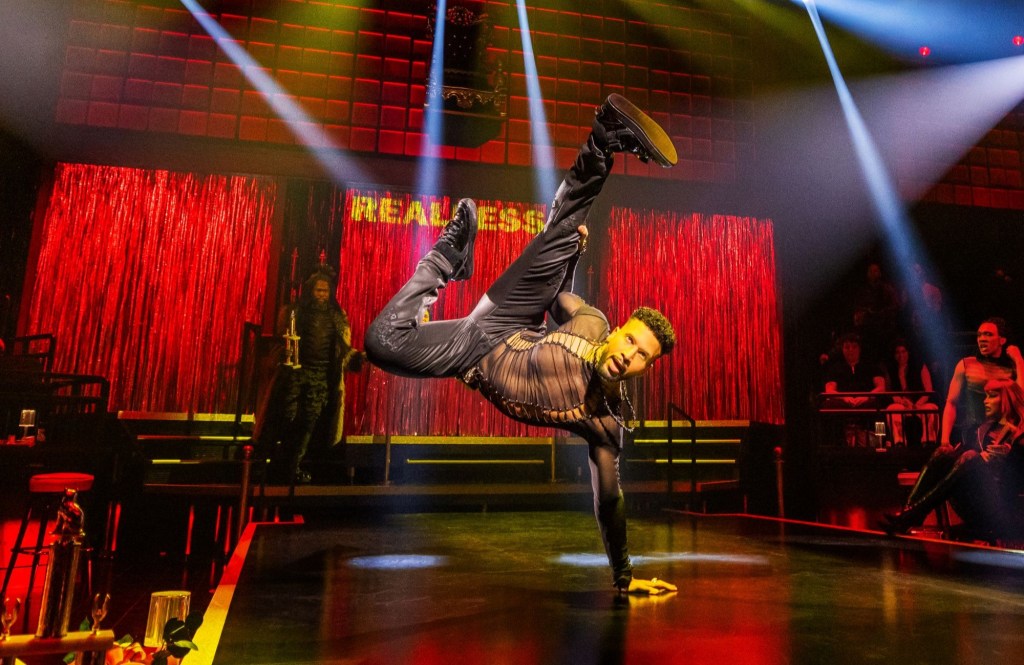
The choreography, by Arturo Lyons and Omari Wiles, for Cats: The Jellicle Ball consistently lacks a theatrical shape, a definite dramatic development, and the vocabulary is repetitive, repetitive, repetitive, riddled with dips, inconsistently accented in the music arrangements. (Yes, the piece is set in the world of ballroom, but it purports to be a piece of theatre!) The choreography, by Ani Taj, for The Rocky Horror Show is very poor. The choreography, by Ellenore Scott, for Ragtime is awful, with the choreography for “Crime of the Century” being particularly embarrassing. (Christopher Gattelli is creative consultant.) And so on and so forth.
Best Orchestrations
• Doug Besterman and Mike Morris, Schmigadoon!• Kyler England, Adrianne “AG” Gonzalez, Gabriel Mann, and Ethan Popp, The Lost Boys• Trevor Holder, Andrew Lloyd Webber, Doug Schadt, and David Wilson, Cats: The Jellicle Ball• Lux Pyramid, Two Strangers (Carry a Cake Across New York)• Brian Usifer, Chess
The orchestrations, by Doug Besterman and Mike Morris, for Schmigadoon! are fancy, and they elevate the score, and one could make an argument for excellence. (I would not be the individual to do so.) The orchestrations, by Trevor Holder, Andrew Lloyd Webber, Doug Schadt, and David Wilson, for Cats: The Jellicle Ball and, by Brian Usifer, for Chess have several exciting, well defined passages, but, in each case, the whole is something of a missed opportunity. (The missed opportunity with regard to the former is also a matter of music arrangements.) And the rest of the lot is not worth mentioning – which is surprising in the case of Beaches, because Charlie Rosen is the orchestrator of record.
Best Scenic Design• dots, The Rocky Horror Show• Soutra Gilmour, Two Strangers (Carry a Cake Across New York)• Rachel Hauck, Cats: The Jellicle Ball• Dane Laffrey, The Lost Boys• Scott Pask, Schmigadoon!
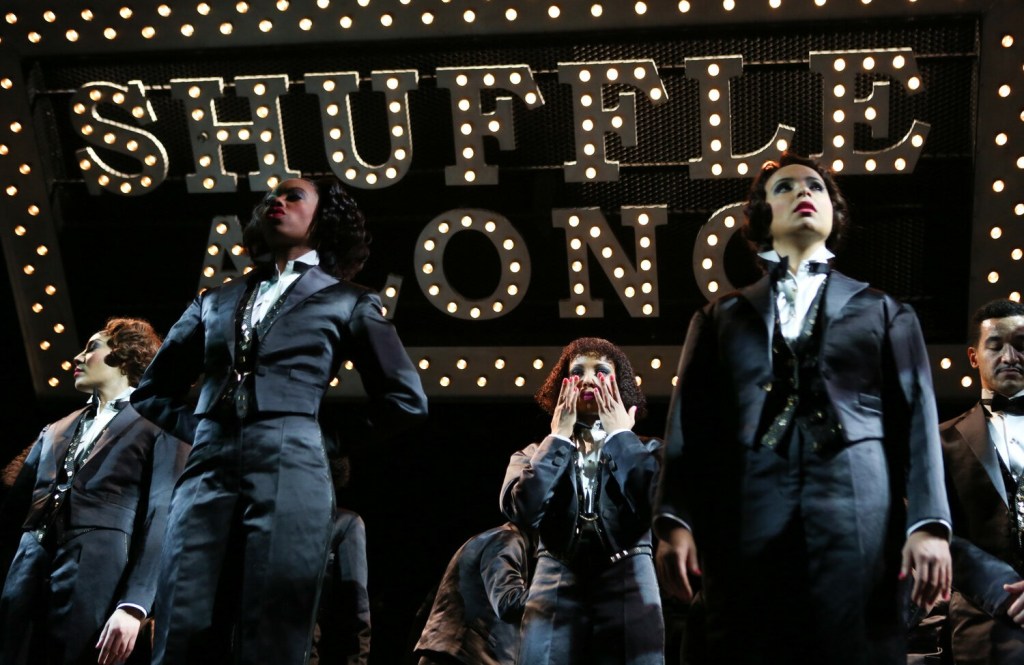
The scenic design, by Scott Pask, for Schmigadoon! is half delicious, half dreadful (i.e. unattractive and unfunctional), and, relatedly, but bearing no relationship to the mixed results, Christopher Gattelli has explained, of the scenic design, “We really went old school and didn’t rely on elevators and all this stuff. We just relied on Golden Age techniques, like painted backdrops.” But what exactly are “Golden Age techniques,” and did painted backdrops not exist prior to the middle of the 20th century? Plus, Gattelli might be interested to know that Wish You Were Here, in 1952, had an entire pool onstage; The Band Wagon, in 1931, and Lady in the Dark, in 1941, employed two or more turntables; Flying Colors, in 1932, employed a motion picture effect for its first-act finale; Earl Carroll Vanities, in 1926, had an elevator, adorned with chorus girls, that rose out of the repurposed orchestra pit to the height of the balcony; Music Box Revue, in 1921, had an elevator that lifted two café patrons into the air while their menu items danced on the deck below; etc. (Hassard Short, a director and lighting designer, staged three of these affairs.) Gattelli’s misunderstanding of the musical stage evidently runs deep.
The scenic design, by dots, for The Rocky Horror Show is quite fine, and a special mention must be made of those fabulous drapes. The scenic design, by Dane Laffrey, for The Queen of Versailles is quite fine, but poorly exploited. The scenic design, by Soutra Gilmour, for Two Strangers (Carry a Cake Across New York) is clever, but poorly exploited and unproductively drab. The scenic design, by Rachel Hauck, for Cats: The Jellicle Ball is a mixed bag. The scenic design, by Dane Laffrey, for The Lost Boys is impressively poor. And so on and so forth.
Best Costume Design• • Linda Cho, Schmigadoon!
• Qween Jean, Cats: The Jellicle Ball• Ryan Park, The Lost Boys
• David I. Reynoso, The Rocky Horror Show
The costume design, by David I. Reynoso, for The Rocky Horror Show is topnotch, and so is the costume design, by Qween Jean, for Cats: The Jellicle Ball, if one politely disregards a couple of notable detractors. The rest of the lot is not worth mentioning, though a word must be said for the superb outfitting, by Tom Broecker, of the ensemble and the Arbiter in Chess, under the highly conceptualized circumstances. Relatedly, I should like to issue the following reminder: elaborate or extravagant designs – costume, scenic, lighting, sound, etc. – are not automatically excellent, and designs that are not elaborate or extravagant might be excellent, and worthy of recognition.
Best Lighting Design• • • • • Adam Honoré, Cats: The Jellicle Ball•
The lighting design, by Jane Cox, for The Rocky Horror Show is quite strong, while not rising to the level of excellence, and the rest of the lot is not worth mentioning. Relatedly, Adam Honoré is intensely frustrating. He clearly has talent and ability, but his designs, for Cats: The Jellicle Ball, Chez Joey, Ragtime, and Saturday Church, among others, are no more than serviceable. Where is the definition? Where is the electricity? Where is the showmanship, the individuality? Where is the dynamic sculpting of moments? Where is the distinction? Honoré’s work generally supports the storytelling, but his work does not demonstrably enhance the storytelling. And the manner in which he (frequently) employs down specials is painfully obvious, perhaps impacted by the surrounding cues. One hopes his work next season will dazzle, productively.
Best Sound Design
• Adam Fisher, The Lost Boys
• Kai Harada, Cats: The Jellicle Ball
• Kai Harada, Ragtime
• Brian Ronan, The Rocky Horror Show
• Walter Trarbach, Schmigadoon!
The sound design, by Brian Ronan, for The Rocky Horror Show would be, if not for one detractor, excellent, but that detractor is the headgear with which the actors have been outfitted, and headgear is an automatic disqualifier in terms of excellence. The concert headgear used in numerous productions, of late, is disfiguring the faces of actors and obscuring the story, effectively keeping the audience at arm’s length, working against one’s suspension of disbelief, preventing one from getting completely swept away or transported into the world of the show, and diminishing the authenticity of that world. These unnecessary gadgets make the audience aware, at all times, that it is watching a musical. And while individual audience members may eventually get used to the awkward instruments, the narrative damage has already been done. (This does not necessarily apply to a musical whose story involves a literal concert.) Heargear must go!
The sound designs, by Kai Harada, for Ragtime and, by Walter Trarbach, for Schmigadoon! happily do not employ headgear, and the amplification is comfortable, with an adequate balance between orchestra and voice. And the rest of the lot is not worth mentioning.
Elsewhere, one might make an argument for excellence for the artwork, publicity photos, and advertising campaign, by Serino Coyne, et al., for Cats: The Jellicle Ball; the hair and wig design, by Nikiya Mathis, for Cats: The Jellicle Ball; the hair and wig design, by Alberto “Albee” Alvarado, for The Rocky Horror Show; and the make-up design, by Sterling Tull, for The Rocky Horror Show. Even perhaps for the prop design, by Addison Heeren, for The Rocky Horror Show; and the fabrication and automation, by PRG Scenic Technologies, of the scenic design for The Lost Boys. But the present manner in which the Tony Awards are administered automatically prevents these elements from being recognized. A change is in order.
THE INAUGURAL TONY AWARDS
In 1947, Brock Pemberton explained, “The Antoinette Perry Awards will be different in that the recipients will be chosen by a board representative of the whole theatre world and that nothing will be labeled ‘the best.’ If the Wing directors decide a contribution in any department of the theatre is outstanding, that will be sufficient reason for recognition. The directors have already nominated those who will be decorated at the first party. When the names of all candidates had been listed, there was an embarrassment of riches. So that the panel would not be too unwieldly, it was decided to limit the field to fifteen individuals; and since so many categories suggested themselves, it was necessary to restrict awards to actors to five…The schedule of categories will be kept elastic, so that it can be changed from year to year to keep up with trends.”
In 1956, the American Theatre Wing embarked upon a campaign to ‘popularize’ the Tony Awards, to essentially use them as a marketing tool. The ceremony that year was broadcast locally for the first time, and, for the first time, formal nominations were announced, specifically for the purpose of ‘stimulating audience interest,’ with the Wing’s newly appointed publicist, Michael Sean O’Shea, seeking to capitalize on the ‘brisk speculation’ around who might win. (‘The brisker the better.’) Then, in 1967, the Broadway League joined the Wing as co-presenters of the Awards, and the ceremony was, for the first time, broadcast nationally, once again to ‘stimulate and widen audience interest.’
Listed below, for the record, are the 20 recipients of the inaugural Tony Awards, in 1947, each for their outstanding contributions, and not one associated with a specific or permanent competitive category, contrary to what the American Theatre Wing would now have you believe.
• Lucinda Ballard, for her costume designs for multiple shows
• Ingrid Bergman, for her performance in Joan of Lorraine
• Dora Chamberlain, for her “unfailing courtesy as treasurer of the Martin Beck Theatre”
• Agnes de Mille, for her choreography for Brigadoon
• José Ferrer, for his performance in Cyrano de Bergerac
• David Ffolkes, for his scenic design for Henry VIII
• Helen Hayes, for her performance in Happy Birthday
• Mr. and Mrs. Ira Katzenberg, for their “enthusiasm as inveterate first nighters”
• Elia Kazan, for his direction of All My Sons
• Michael Kidd, for his choreography for Finian’s Rainbow
• Burns Mantle, for his annual Ten Best Plays publication
• Jules J. Leventhal, for being the season’s “most prolific backer and producer”
• Fredric March, for his performance in Years Ago
• P.A. MacDonald, for his “intricate construction for the production of If the Shoe Fits“
• Arthur Miller, for authoring All My Sons
• Patricia Neal, for her performance in Another Part of the Forest
• Vincent Sardi, Sr., for “providing a transient home and comfort station for theatre folk at Sardi’s for 20 years”
• David Wayne, for his performance in Finian’s Rainbow
• Kurt Weill, for his music for Street Scene
PRESS ANNOUNCEMENTS
Here is a list of select press announcements from the past week. Each headline is clickable for more information.
• New Duncan Sheik Musical Memoirs of Amorous Gentlemen Will Debut Off-Broadway This Fall
• Wayne Brady Will Star in Ms. Blakk for President at Off-Broadway’s Vineyard
• Passing Strange, Real Women Have Curves Set for 2026-27 Pasadena Playhouse Season
• Alan Cumming and Shirley Henderson Will Lead A History of Paper at Pitlochry Festival Theatre and Dundee Rep
• Telly Leung-Helmed Rent, New Musical Wild Child, More Set for Laguna Playhouse 2026-2027 Season
• Olivia Holt Will Join Just in Time as Connie Francis
• Schmigadoon! Extends Broadway Run
• Girl, Interrupted Extends Off-Broadway at the Public Theater
• Rachel Zegler-Led Evita Will Release Full Cast Album on Vinyl and Digital; Listen to “Rainbow Tour”
• Just in Time Tracks Featuring Jeremy Jordan and Isa Briones Released May 4
• The Book of Mormon Cancels Additional Performances Following Eugene O’Neill Theatre Fire
• Pea Dinneen: Raising Her Voice Will Premiere Off-Broadway
• Claybourne Elder to Join the Cast of Little Shop of Horrors
• John-Michael Lyles Will Join Hadestown Cast as Orpheus in June
PREVIEWS AND OPENINGS
Here is a list of the new musicals and revivals either opening or beginning previews during the upcoming week, specifically on Broadway and Off-Broadway. It contains, as well, select new musicals beginning performances regionally, and select new musicals and revivals beginning performances in New York City. Each title is clickable for more information.
Monday, May 11
• Concert: Bubbling Brown Sugar
Tuesday, May 12
• Previews: Heated Rivalry: The Unauthorized Musical Parody
• NYC: Vanessa
Wednesday, May 13
• Previews: Girl, Interrupted
• Regional: Brigadoon
Thursday, May 14
• NYC: The Mystery of Edwin Drood
• NYC: Spirit of the Game
Friday, May 15
Saturday, May 16
Sunday, May 17
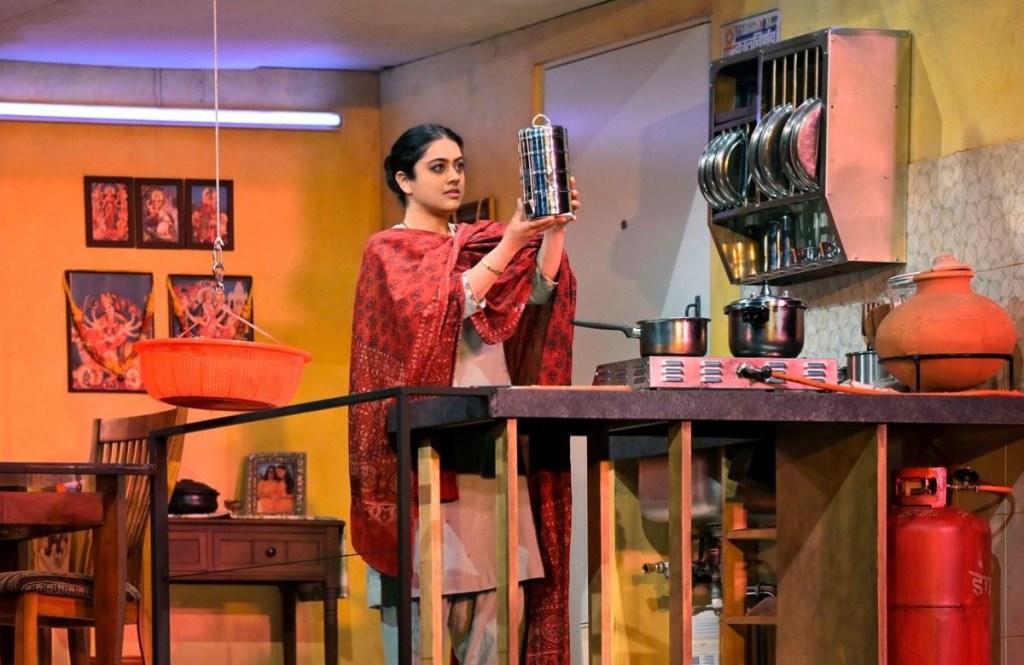
• Regional: The Lunchbox
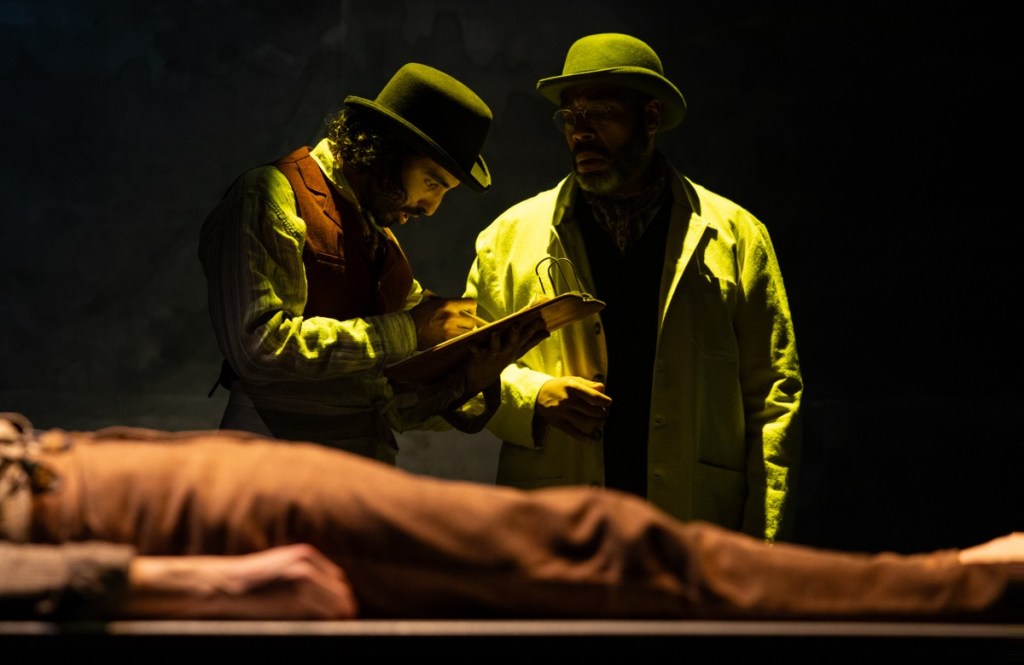
Photo of a scene from The Rocky Horror Show by Joan Marcus.







 The Musical Theatre Report
Leave a comment