A journal for industry and audiences covering the past, present, and future of the musical stage.
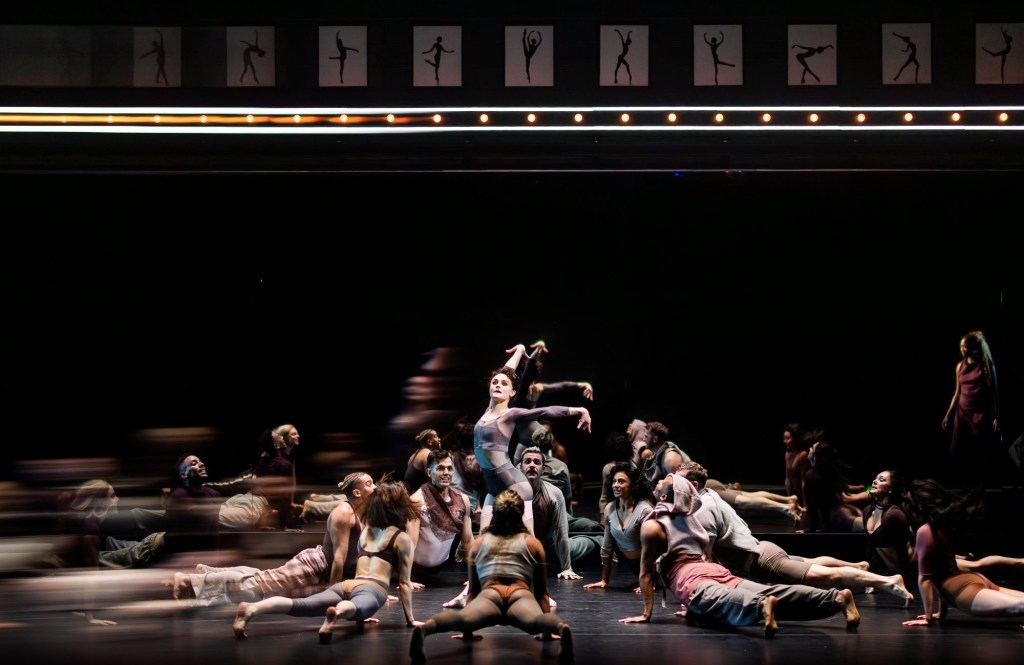
Today is Sunday, and this week’s Report contains my detailed notes on Black Swan at American Repertory Theater. Plus, a quote of the week; select press announcements from the past week; and the upcoming week’s previews and openings.
QUOTE OF THE WEEK
The lyric, by Arnold B. Horwitt, for “Subway Song,” from the 1948 revue Make Mine Manhattan.
I’m in love with a girl
And she loves me too
But our love life is hardly complete
‘Cause she lives in Brooklyn on New Lots Avenue
And I live in the Bronx
On two-hundred-and-forty-second street
Ev’ry time that I see her
It thrills me thru
But it’s seldom that we get to meet
‘Cause she lives in Brooklyn on New Lots Avenue
And I live in the Bronx
On two-hundred-and-forty-second street
We never bill and coo
The way young people do
Oh, no, not we
Those midnight hours of bliss
When other couples hug and kiss
We spend on the I.R.T.
You can tell the conductor
And the motorman too
Mister Cupid went down to defeat
Somewhere between Brooklyn on New Lots Avenue
And my little grey home in the Bronx
On two-hundred-and-forty-second street
Oh, it’s aw’fly hard to be a gay young Lochinvar
When you’re standing with your sweetie in a subway car
For example, when you hold her hand she kind of purrs
But the train’s so packed you can’t be sure you’re holding hers
You may think of pretty things to whisper in her ear
But the train is making so much noise that she can’t hear
Tho’ you may not know the fellow standing at your right
You can tell exactly what he had to eat that night
Tho’ you’ve put a brand new shirt on, and your suit is pressed
By the time you get to Boro Hall, you’re half undressed
When the journey starts you couldn’t feel much jollier
When the journey ends you look like Langley Collyer
Then you take the girl home
And at last you’re alone
And you cling and you cling and you cling
But by then you’re too exhausted
To do a doggone thing
I’m beginning to wonder
What Romeo would do
Would he think Juliet was so sweet
If she lived in Brooklyn on New Lots Avenue
(Spoken.)
And then he took the Lexington Avenue local to Queens Plaza and waited for the Broadway 7th Avenue local which runs only once every thirty-five minutes after midnight and takes an hour-and-a-half to get to the Bronx
(Sung.)
On two-hundred-and-forty-second street!
BLACK SWAN AT AMERICAN REPERTORY THEATER
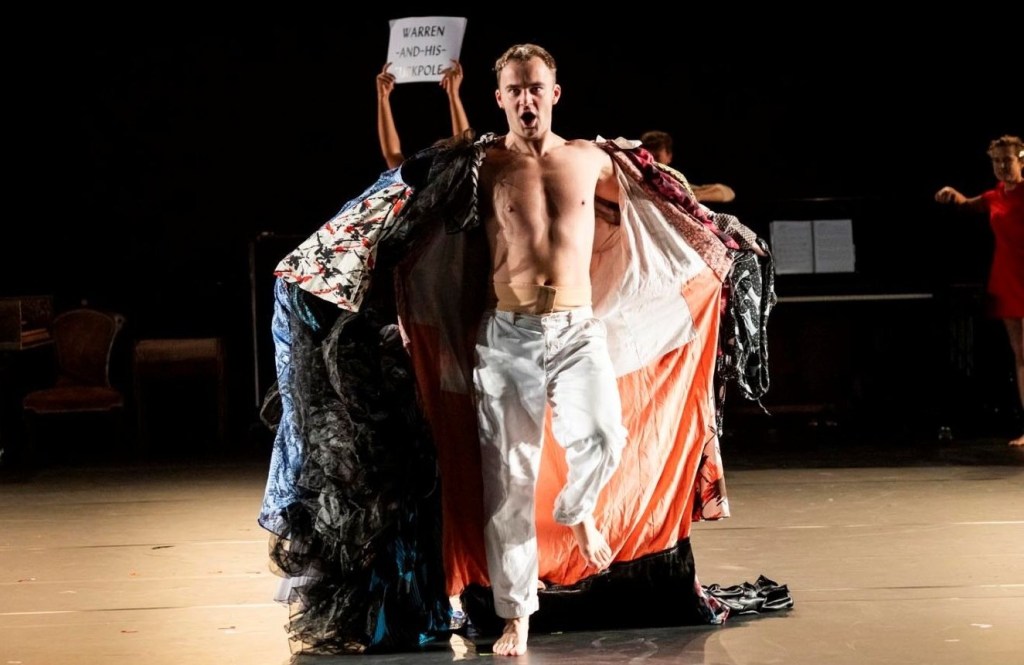
Black Swan, a new musical based on the 2010 film, is currently playing a world premiere engagement at American Repertory Theater in Cambridge, Massachusetts. It has a book by Jen Silverman, lyrics and music by Dave Malloy, and direction and choreography by Sonya Tayeh, and it is a strangely mundane, underdone affair. Gail Berman, Kevin McCollum, Darren Aronofsky, and Scott Franklin are the commercial producers, and Black Swan has commercial potential, but it will almost certainly need stronger material and stronger staging to realize said potential. (The development budget alone has a reported max of seven million.)
The musical, a psychological thriller of sorts, unfolds in two acts, and it centers around a young ballerina, Nina, who experiences a mental deterioration after unexpectedly securing the lead role in Swan Lake. Lily is her understudy. Beth is a senior member of the ballet corps who had been promised the lead role. Barbara is Nina’s overbearing mother, and a failed former dancer. LeRoy is a replacement choreographer, with a career on the skids. And Jacques runs the company. Here are my notes.
• The story, despite familiar fundamentals, is, in principle, potent, but it has been given a theatrical treatment that merely skims the surface, aggressively eschewing drama: the dialogue tends toward two-dimensionality; the bouts of dialogue tend toward manufactured expedience (which is not the same as organic, focused efficiency); the lyrics tend not to excavate or propel situation or character; and the dancing, a major component of the musical, is, almost without exception, treated literally, with the dance sequences serving, almost without exception, as either a group warmup, a group audition, a rehearsal, or a performance, instead of serving as a direct extension of situation and character. The fourth point is not necessarily or inherently a problem, but it is a problem for Black Swan, because of points one, two, and three. (And because of the choreography, to be discussed below.)
• The structure of the story surely needs to be reworked to some degree, particularly in the interest of detailing and defining Nina’s journey, motivating her descent into madness, and meticulously calibrating the same, endowing the piece, in the process, with a continuous dramatic charge, a continuous dramatic escalation, but the degree to which the structure needs to be reworked cannot be readily determined, because the structure is, at present, pregnant with missed opportunities. A potentially valuable confrontation between Nina and LeRoy, for instance, fails to ignite. Likewise a potentially valuable confrontation between Nina and Lily. And between LeRoy and Jacques. And Beth and Jacques. And so forth. In other words, a reworking of various, numerous moments within the existing structure might, alone, significantly boost the dramatic effectiveness of the musical.
• Black Swan has been constructed, like many well written musicals, in a fairly straightforward manner, consisting essentially of a succession of whole scenes, some of which contain, in isolation, a technically complex sequence. Such a straightforward design may prove to be ideal for Black Swan, pending the needs of the story as the story gets fleshed out, but Silverman & Co. must nonetheless significantly sharpen, electrify, detail, power the ins and outs of the scenes, many of which are, at present, utterly ridiculous, and Silverman & Co. must similarly sharpen, considerably, the scene-to-scene transitions, and Tayeh, specifically, must, in her staging, account for the straightforward design in a sharper, craftier fashion, because, at present, nearly every scene is oriented center, with several actually situated and contained down center, and nearly no variety exists in the almost continuous back-and-forth between scenes in one and full, with the back-and-forth typically involving three pieces of black masking irising in or out (center), a grand drape opening or closing (center), or the black masking or the grand drape flying out. The narrative composition is, as such, rough and repetitive.
• The special effects are, from a technical standpoint, extremely well done: a mirror shatters, a feather emerges from a soar on Nina’s back, an inner demon dives into Nina’s abdomen, etc. Two particular suspense sequences are technically stunning. They find Nina – and, in turn, the show – quickly, crisply alternating between hallucination and reality, courtesy of precisely timed blackouts, each of which is introduced by a blinding flash of front-light, with the actors shifting their precise, well balanced positions in black. (One of the sequences involves a stabbing courtesy of a shard of glass pulled from a vertical mirror with an illuminated frame.) And, crucially, the team has, in suspense sequences such as these, realized, beautifully, an atmospheric tension, resulting especially from a carefully calibrated combination of silence, sound effects, and underscoring, accented with what would seem to be violin scratches, and deliberately synchronized with the physical elements. Indeed, Black Swan offers, in suspense sequences such as these, a terrific example of creative unity, and special mention must be made of illusion designers Chris Fisher and Skylar Fox, blood designer Lillis Meeh, fight director Rocío Mendez, sound designer Kai Harada, lighting designer Isabella Byrd, costume designer Shiona Turini, and scenic designers AMP and Marissa Todd. But the special effects, the suspense sequences, in Black Swan, are, at present, ultimately unexciting, put-upon, procedural, for they lack dramatic foundation, ornamenting an empty tale. And atmospheric tension is not the same as dramatic tension – on which the musical is notably short. Plus, some of the isolated effects, like Nina crushing a champagne flute in her hand or a flurry of black feathers materializing beneath a bed-sheet, might also benefit from a stronger setup, with a stronger sense of dynamics.
• The music, predominantly a mix of classical and electronic pop, seasoned with valuably moody motifs, is not entirely without interest or a point of view, but neither is it entirely distinct, cohesive, theatrical, or effective at serving story and character. The unison choral work, marked by unnatural scansion, feels nondefinitive. The opening-night countdown is a fine idea that nonetheless feels nondefinitive. A furiously bright jazz chorus, during a backstage sequence, has pushed phrasing that is delicious, but it feels nondefinitive. Etc. Etc. Etc. (Or Matias is music supervisor.)
• The choreography is physically strenuous, with an individual vocabulary beginning to emerge, but it is not, at any point in the proceedings, especially theatrical or distinctive or well defined. In fact, every dance sequence in the show either flatlines or fails to get started – though the music must take part of the blame – and, relatedly, one wonders if the musical would not benefit from the refashioning of LeRoy into a dancing role, such that she might build her vision for the ballet onstage, in action. (She regularly meanders around the stage and through the house in the current iteration of the piece.)
• “Morning Class” ineffectively introduces Nina, Lily, Beth, and the ballet corps, and the lyric sung by Nina toward the top of the song is causing something of a double beat with the musical’s prologue, which finds Nina fantasizing about playing the lead role in Swan Lake – which is to say: the dramatic thought does not currently sustain in the distance between the end of the fantasy and the start of the lyric. Plus, the end of “Morning Class” is dull.
• The audition sequence is hampered, in large part, by the temperature of the music, and LeRoy, at the top of the sequence, instructs the dancers to face away from the mirror, but Tayeh fails to complete the thought, returning the dancers to the mirror almost immediately. Plus, the end of the sequence is dull.
• “Star,” sung primarily by Barbara, is one of the strongest numbers in the show, with an active lyric and a restless musicality, but it is begun nearly out of nowhere, given the failure of the preceding dialogue to build into song, and it has an unproductively abrupt ending – which should, at minimum, be extended. Plus, Nina briefly joins Barbara on an instructive lyric, directed toward Nina, but she (Nina) does so singing “you,” like Barbara, rather than singing “I” – a less than stellar choice whose thin justification hinges on generalization, when the moment would be better served by specificity.
• “The Mirror,” sung by Nina, immediately follows “Star,” and it, too, is begun nearly out of nowhere, due, in this instance, to an incongruous opening line. (Song entrances and endings are a real problem throughout the show, and the audience, on the evening of June 10, was regularly uncertain whether or not to applaud – typically a sign that the creative team is not completely in command of the stage or the storytelling.)
• A benefit gala is poorly done, revealing, among other things, a disconnect between material and staging. The principals, for instance, can be seen entering upstage, from the wings, in advance of their reveal through the mob, center, whereupon each sings an unessential solo, and the mob is anemic, given the circumstances. The principals and the mob, meanwhile, spend the scene drifting around the undefined playing space. (A problem throughout the show.) Nina makes a convenient entrance at the end of a confrontation between her mother and LeRoy (which actually carries interest). And why has Beth not been allowed a full-blown fantasy?
• A club scene is similarly poorly done, and Silverman & Co. have failed, here and elsewhere, to cultivate a natural sense of camaraderie among the corps. Incidentally, the scene’s associated song, incredibly poor, is about Beth – who has perhaps the clearest trajectory, at present, and the benefit of regularly dominating conversations, even when she herself is not part of them.
• LeRoy speaks late in the show about pushing Nina relentlessly in rehearsal. Why have Silverman & Co. not put LeRoy’s relentless pushing onstage?
• “Flow” is one of the musical’s many missed opportunities, failing to develop the relationship between Nina and Lily. Plus, Silverman & Co. introduce, in the song, the idea of a “new” Nina that Lily and the corps do not recognize, but Silverman & Co. have chosen not to develop that idea, likely to the detriment of the song and the show.
• The first act concludes with what we later learn is a fantasy, had by Nina, and it is one of only two (or three) nonliteral dance numbers in the show. The piece is ostensibly a pas de deux, for Nina and Lily, and it might have been thrilling, but the choreography is clumsy, and Tayeh has cluttered the number with anonymous, unnecessary figures, who lift up and toss about the two ladies for no discernable reason. It is a mess, and though its illusory button is, from a technical standpoint, well executed, the button is a snore.
• A nightmare sequence is similarly a mess, and the preceding song, “Normal,” dematerializes. And, zooming out, one wonders if Nina’s Doppel has, over the course of the show, been fully exploited.
• “Death Dance,” a solo dance for Nina, is unremarkable, and Silverman & Co. have slotted a solo vocal, for Nina, immediately after the solo dance, without having effectively accounted for the fact that the actor would necessarily be out of breath.
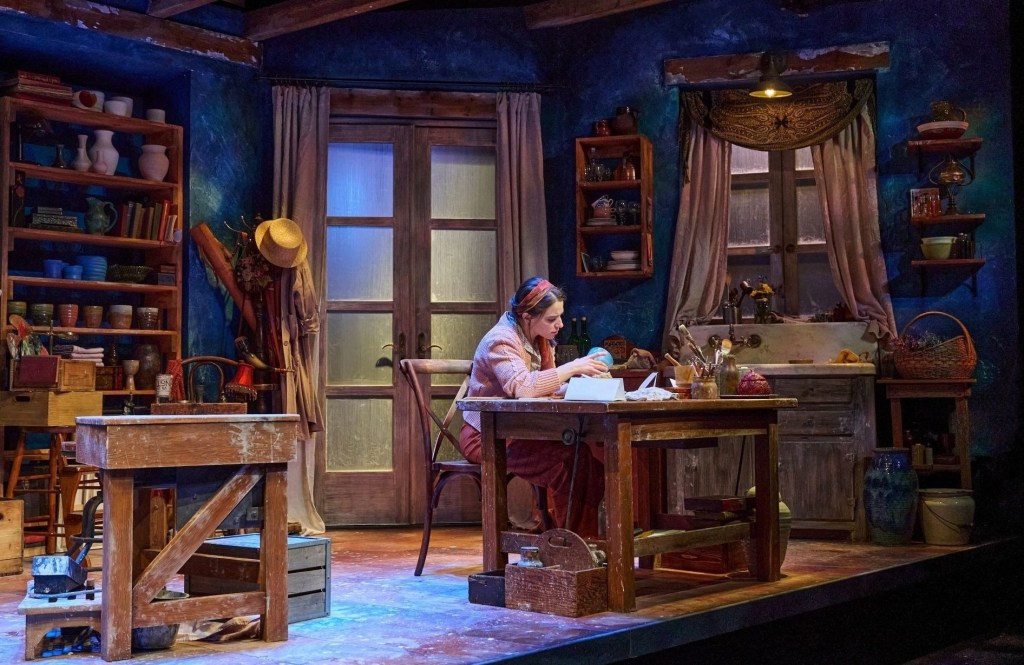
• The physical production aims to be stylish, but it is rough around the edges, incomplete, and the scenic elements are frequently flat to the audience, without the flatness feeling like a definite choice or a definite aesthetic. (The flatness is perhaps due, at least in part, to the needs of the special effects.) The sound design, beyond the special effects, is sensational, and it is happily devoid of concert headgear.
• Jada Simone Clark, as Lily, Mehry Eslaminia, as Barbara, Melanie Moore, as Nina, Thom Sesma, as Jacques, and Tory Trowbridge, as Beth, are giving strong performances, despite inhabiting sketchy characters and having little in the way of meaty material with which to work. Moore’s performance, in particular, may develop into something of note, especially given the inherent nature of the role. Amber Iman, as LeRoy, is merely adequate.
PRESS ANNOUNCEMENTS
Here is a list of select press announcements from the past week. Each headline is clickable for more information.
• The Lunchbox to Receive Second and Final Extension at Berkeley Rep
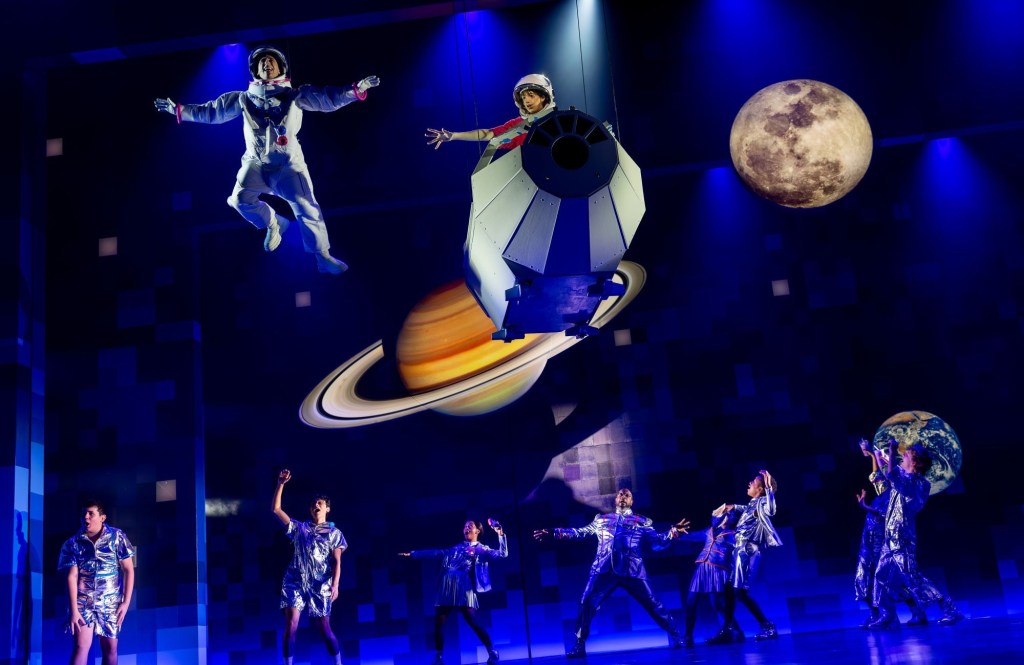
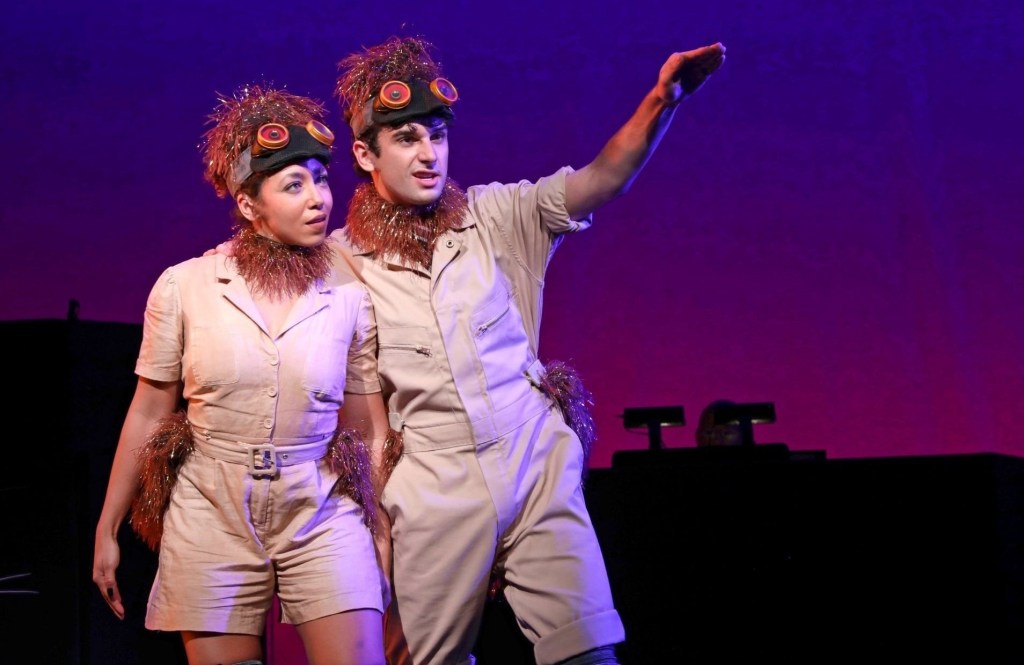
• New Musical Space Dogs to Play in London This Summer
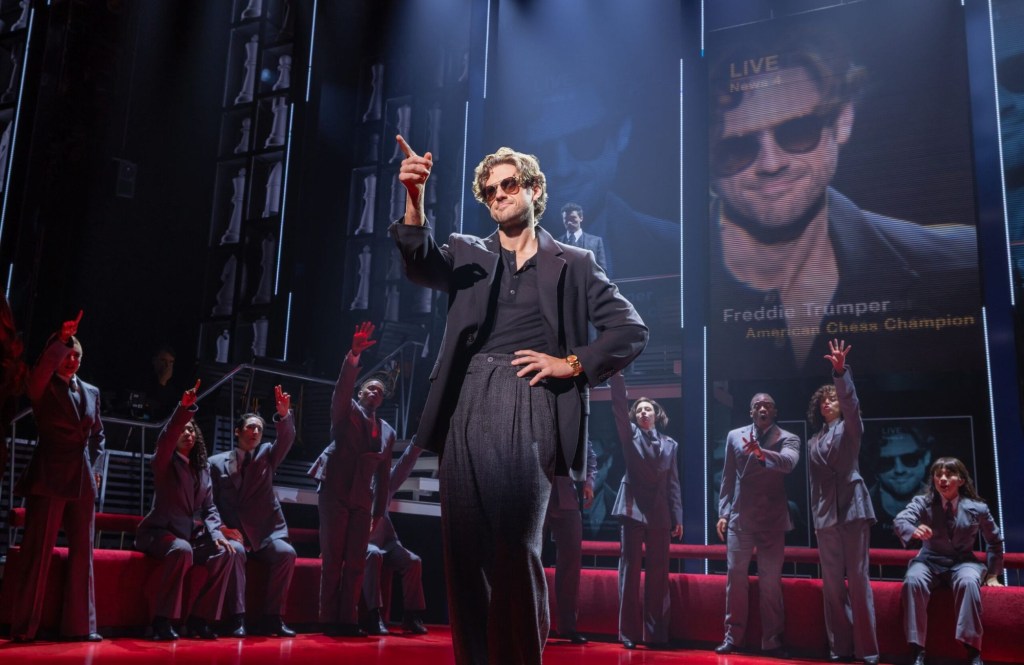
• Spring Awakening Will Return to NYC; Danya Taymor Set to Direct
• Joshua Henry and Julia Harriman Co-Wrote and Will Star in New Musical The Conversation
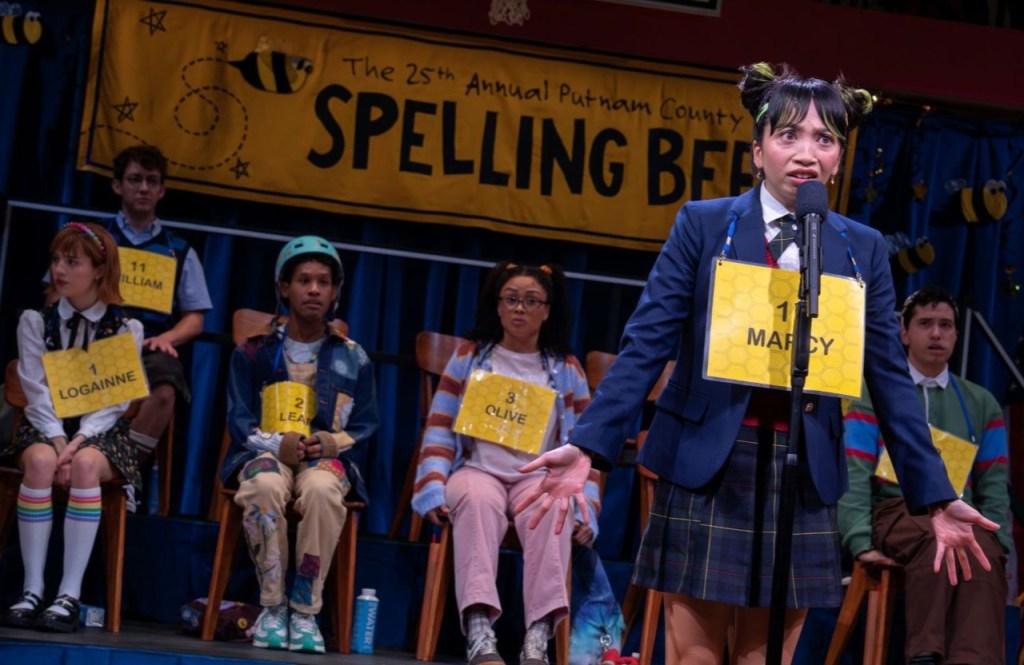
• Lilli Cooper, Jasmine Amy Rogers Set Final Bows in Spelling Bee Off-Broadway
• Slam Frank to Return This Fall to Off-Broadway’s Orpheum Theatre
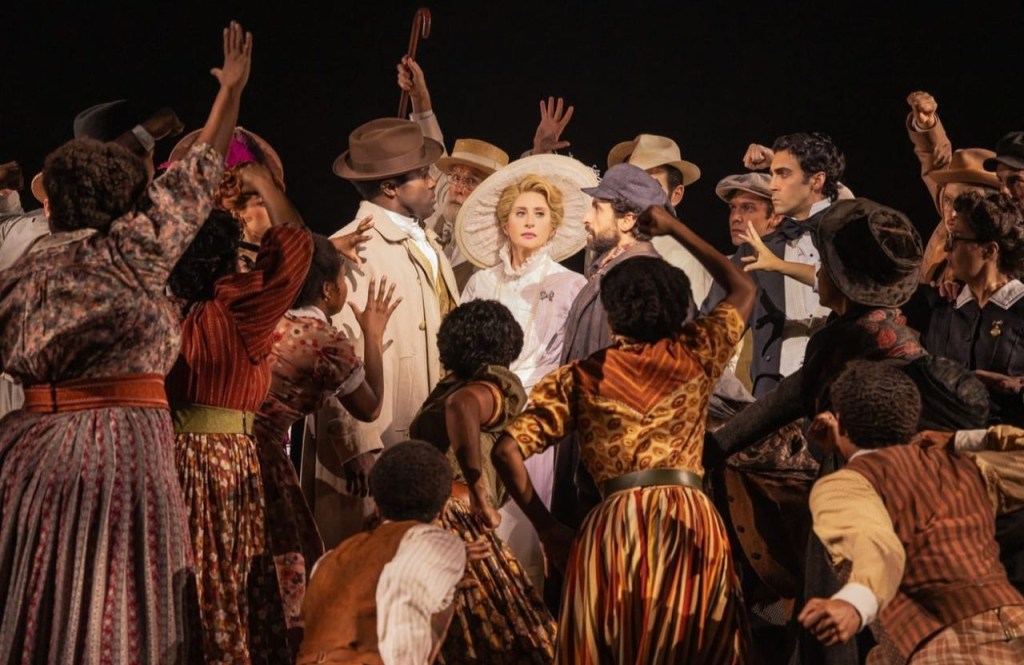
• Ragtime Extends Additional Two Weeks on Broadway
• Spencer Liff, Gabriel Barre, and More Will Present The Watermelon Prince: The Musical in Vietnam
• See Who’s Joining Bryan Batt in London Here Comes J Edgar! Musical
PREVIEWS AND OPENINGS
Here is a list of the new musicals and revivals either opening or beginning previews during the upcoming week, specifically on Broadway and Off-Broadway. It contains, as well, select new musicals beginning performances regionally, and select new musicals and revivals beginning performances in New York City. Each title is clickable for more information.
Monday, June 15
• Previews: A Walk on the Moon
• Previews: Music City
Tuesday, June 16
Wednesday, June 17
• Concert: La Cage aux Folles
Thursday, June 18
• Opening: label•less
Friday, June 19
• Concert: The Tune Up
Saturday, June 20
• Regional: Iceboy!
Sunday, June 21
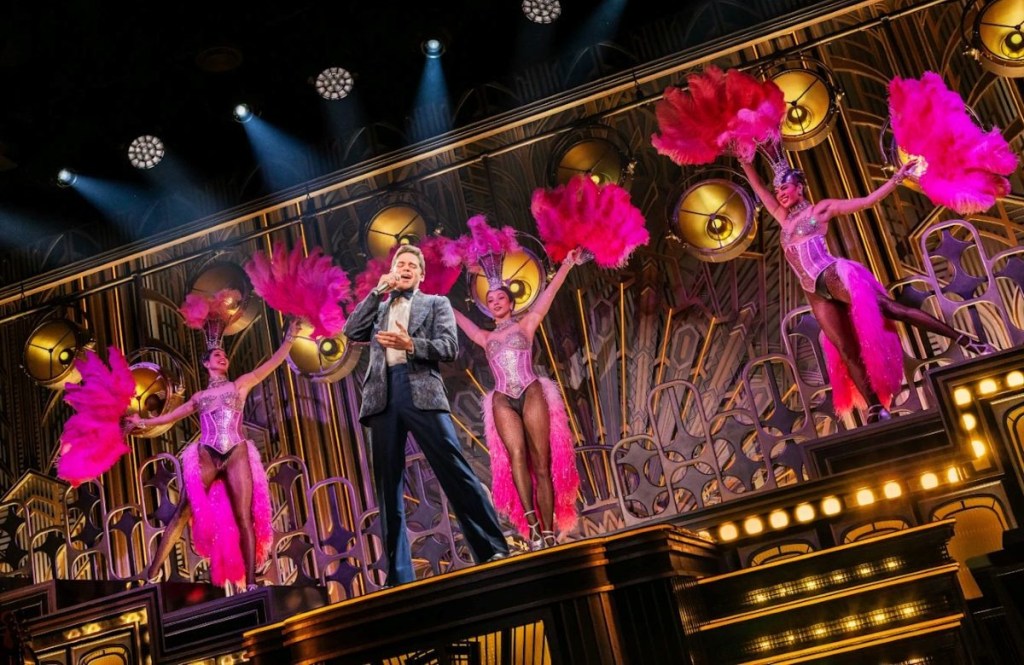
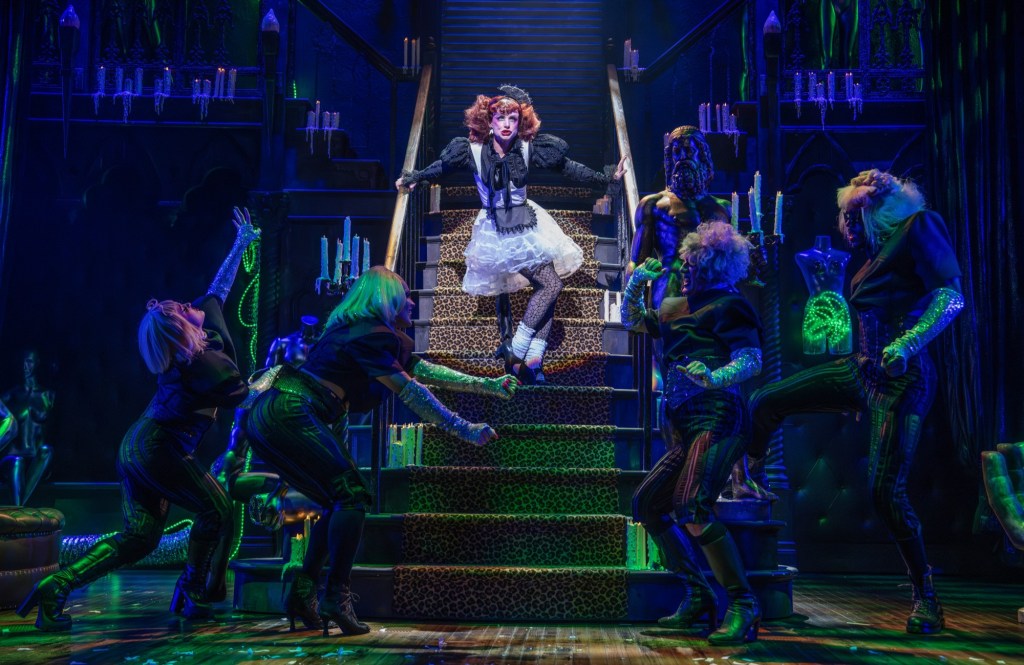
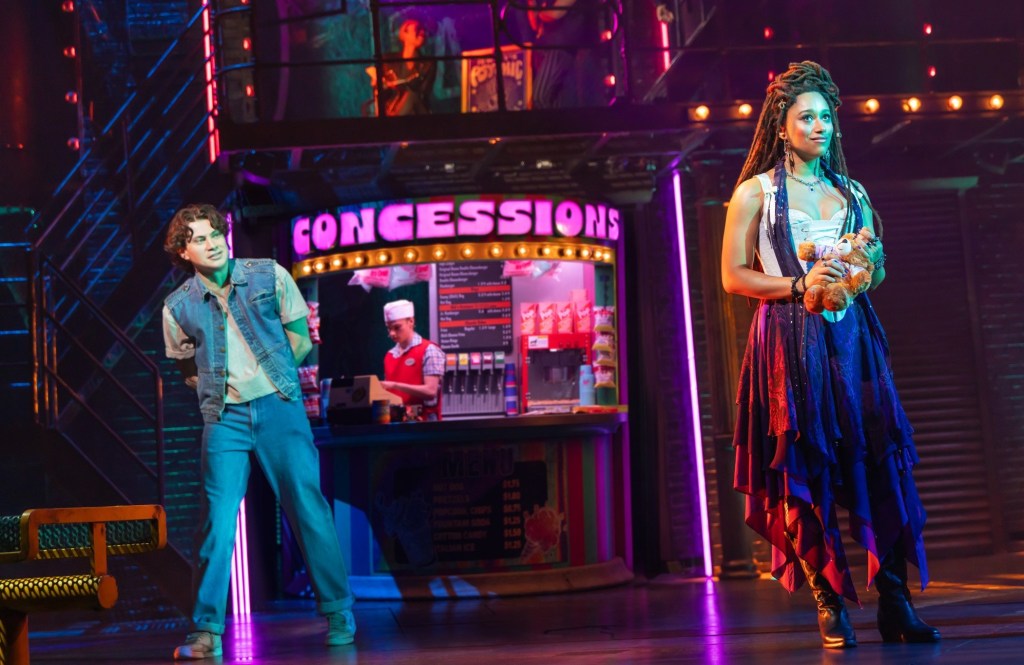
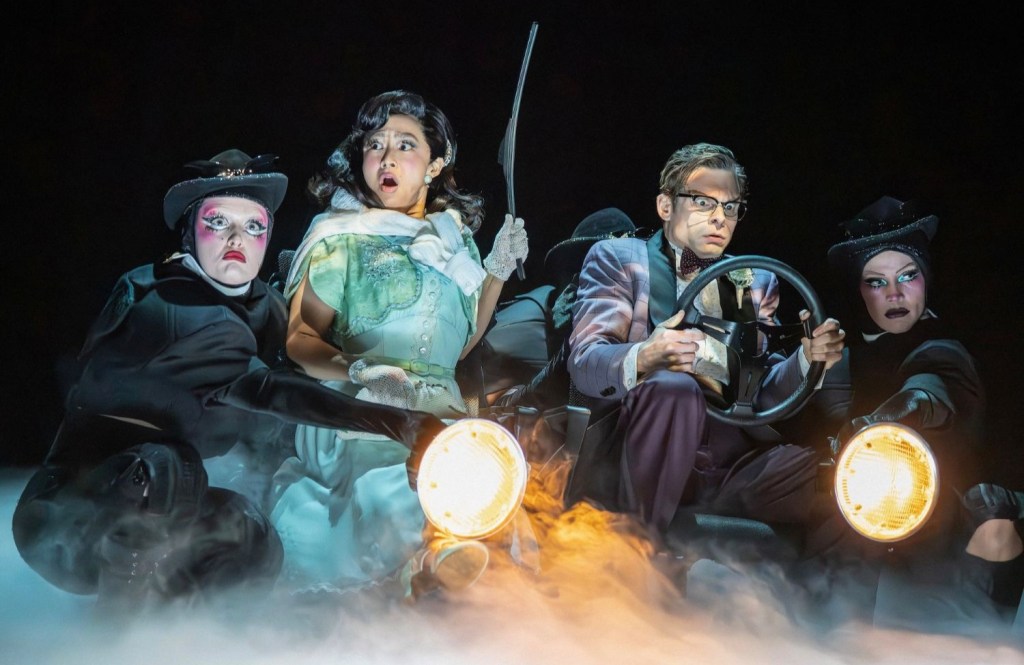
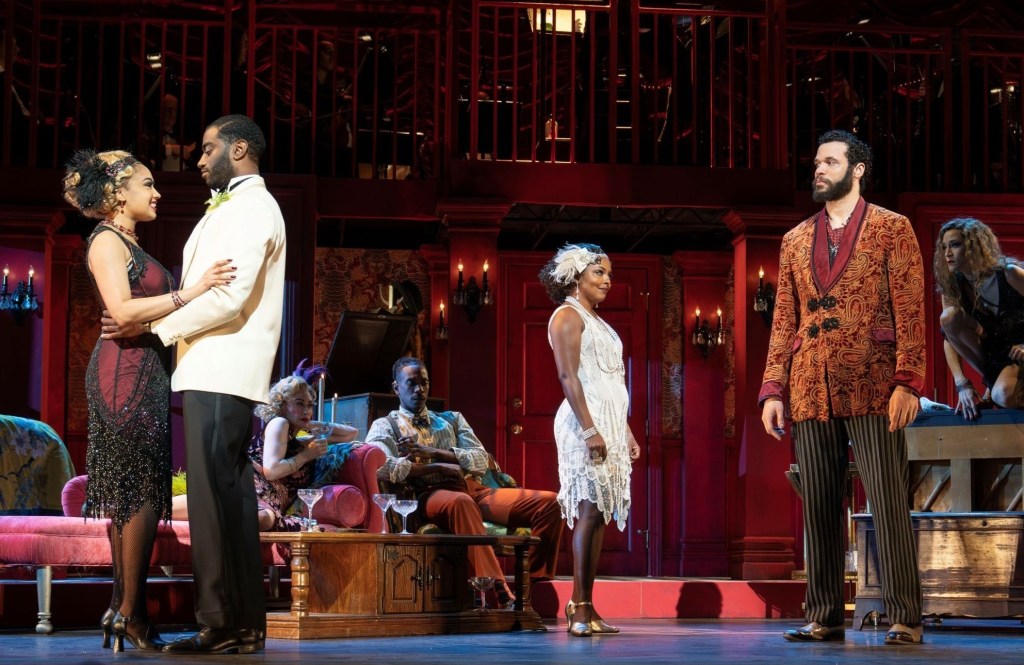
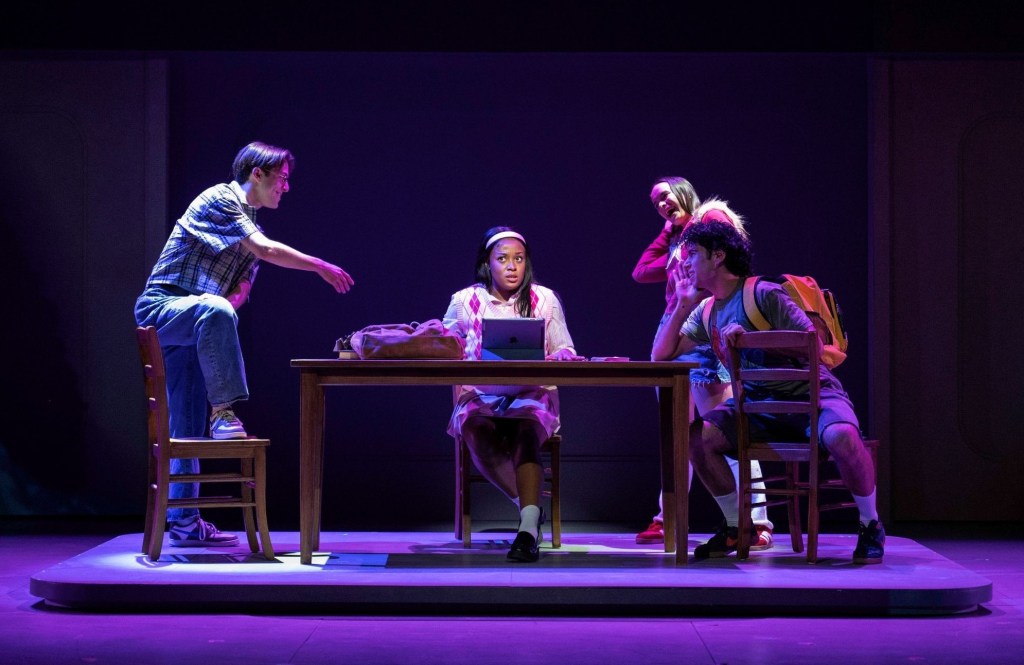
Photo of a scene from Black Swan by Hawver and Hall.










 The Musical Theatre Report
Leave a comment