A journal for industry and audiences covering the past, present, and future of the musical stage.
Today is Sunday, and this week’s Report contains my detailed notes on Giulia at the Perelman Performing Arts Center, and a final thought before my summer break. Plus, a quote of the week; select press announcements from the past week; and the upcoming week’s previews and openings.
QUOTE OF THE WEEK
The lyric, by Herman Hupfeld, for “A Little Hut in Hoboken,” from the 1929 revue The Little Show.
Now that we are one
Something must be done
In regard to where we settle down.
It really is a pity
You don’t like the city
And I don’t like a little country town,
But I know a little “Burg”
Where we will both be satisfied
For you like “Wiener Schnitzel”
I like “Taters” German fried!
We’ll find a little hut for two in Hoboken,
No jokin’!
That’s where we’re gonna spend and end our days.
They tell me there are very few who go broke in
Hoboken.
Watch us get on to all their foreign ways.
We’ll wave to all the liners as they leave the pier,
We can live on love,
Sauerkraut and beer.
Then in this little hut for two in Hoboken,
No jokin’,
We’ll have a little “Hobo” in a year.
GIULIA AT THE PERELMAN PERFORMING ARTS CENTER
Giulia, a new musical inspired by a true story, recently opened a world premiere engagement at the Perelman Performing Arts Center. It is written by Jennifer Nettles, who plays the title character, and directed by Mary Zimmerman, and it is, to my great surprise, an incredibly promising piece of theatre, with real commercial potential, and significant work to be done, including the acquisition of a new director, a new choreographer, and a new scenic design(er). Adam Zotovich leads the commercial charge, and the development budget is reportedly $3 million.
The musical is set in Palermo in the 17th century. Giulia is an alchemist with a young daughter, Vitoria, and an abusive second husband, Carlo. Cardinale is a devious servant of God. Governatore is a devious politician. Duchessa is a devious woman married to a faithful Duke. Maria and Renata are among the women of the town whose husbands beat them. Father Paolo is a helpful priest. And La Capitana is a narrator or emcee of sorts. Here are my notes.
• The story is potent and involving, and the structure of the story, including the patterning of plot, is broadly sound, with caveats. But little of what Nettles has written, in her treatment of the story, moment to moment, is definitive, or inventive, and a good chunk of her lyrics, while active, are dramatically unproductive. These are undoubtedly the two biggest problems currently plaguing the mostly-sung property, with several moments to be discussed in detail below. The balance of the lyrics, however, do a solid job of serving story, situation, and character, even if they might be described as unsophisticated, exhibiting, somewhat regularly, a forced cleverness, false rhymes, clunky rhymes, clunky expressions, and or jagged scansion.
• The music is not infrequently familiar, almost, in some cases, to the point of being a facsimile – especially, consciously or not, of Hamilton – and the musical loses something in the way of freshness and distinction as a result. But the music is melodic and propulsive and emotionally charged and seasoned, like many of the lyrics, with play, and the manner in which Nettles has used the music, to tell the story, on the theatrical stage, is something to appreciate: the internal motifs, the recurring motifs, the character motifs, the stylistic individuality moment to moment, the dramatically supported mode shifts, etc. (Special mention must be made of music arranger Adam Rothenberg.) Plus, the show has, courtesy of the score, something close to a sharply fluid composition, and something close to a sonic dynamism.
• Giulia is, in principle, a vibrant, complicated character with a momentous arc, but the character, as currently written, lacks a certain degree of depth, color, detail, and definition, in large part because her introspective soliloquys, at the top and bottom of the show, have generic, impersonal lyrics. “Next Time” and “Fly Away” should immediately be rewritten, at least in terms of the lyrics, to better serve story and character. And the same could be said for much of the central figure’s solo material. (The most effective lyrics in the show, at present, tend to be those written for sung conversations.)
• “Call Me David” is an insubstantial, if fiery, act-two duet for Father Paolo and Giulia in which Giulia has the last word, and one wonders if more should not be made of the number, particularly in the interest of deepening the central figure and enhancing the shape of her arc.
• “It’s Never Enough,” sung by Giulia and the women of the town, is slotted half-way through the first act, but it could just as easily open the show, because the lyric does not account for the preceding incidents. The song is, as such, stunting the storytelling, despite a delicious “sister” motif, a delicious accounting motif, and a valuable splash of anaphora.
• “Split Second Life Changing Moment” finds Giulia – frantic, fearful, irate – singing an aside while Carlo attacks Vitoria in pantomime. The sequence has the potential to be stunning and stylish and wonderfully theatrical, but the present execution is remarkably basic, remarkably poor. (A matter of material and staging.) And the lyric, again, declines to deepen story and character. Giulia, for instance, makes reference to her mother, but the reference occurs casually in passing, and her mother goes unexplored.
• The end of the first act is muddled. “Cold,” which gives Giulia a juicy lyric laced with black humor, would seem to be a natural finale, but it fails to develop into a complete thought (or the showstopping number it might), and it is immediately followed by an interlude – which is immediately followed by “The River,” an anthem, led by Giulia, with, again, a generic, impersonal lyric, and a manufactured “musical theatre” ending that does not seem to align with or contribute to the character of the show, to the extent that the show has a distinct character in the first place. One cannot be certain, and Nettles might consider that uncertainty when she sets about making revisions.
• The top of the show is similarly muddled. “Welcome to Palermo” finds La Capitana inviting us into the world, setting the scene, and revealing the tale to be true, and it is a fine idea, but it is unsteadily executed, commencing with an incomplete sentence, an incomplete thought. (“Once upon a time and time again.”) The brief invitation segues directly into a production number, “What Happens Next?,” that is presumably designed to establish the circumstances of the story, but it does not effectively do so, because it is unfocused and dramatically purposeless, and accessorizing it with a performance troupe has only further confused the situation. Plus, the eventual reveal of the central figure is inexpert, wasteful.
• The top of the second act is a categorical flop, with the exception of a brief bedroom interlude featuring Duchessa and her Duke. But the idea behind the darkly comic accumulation of coffins is inspired. In fact, Giulia is sprinkled throughout with potentially thrilling moments of black comedy, both verbal and visual, earned and supported, and though many such moments would surely benefit from minor material refinement or embellishment, nearly all are being put to death by the staging. (But more on the staging later.)
• The end of the story is simultaneously satisfying and obvious, and the show is suffering from Nettles’ obvious treatment of said ending.
• Vitoria lacks a definitive narrative presence. Perhaps she is missing a solo in the first act. Perhaps she is missing a duet with her mother. Perhaps she should not sing at all until after she murders Cardinale and Governatore. (The introduction of her singing voice upon their deaths may serve to heighten, distinguish, enliven the obvious ending, earning a real payoff as a result.) Nettles nonetheless has options, but the current manner in which she has deployed Vitoria is generating no payoff and reaping no rewards, in part because the young lady’s second-act solo, “When I Still Believed,” is a dramatic dud.
• La Capitana regularly drops out of the narrative, and her appearances are largely insubstantial – including the appearances in which she calls Giulia’s attention to the elixir. La Capitana is a potentially profitable narrative device, but Nettles must employ her in a deliberate fashion, and clearly define her appearances. Nettles must similarly employ the female ensemble in a deliberate fashion, and clearly define the ladies’ appearances. (A matter of material and staging.)
• Giulia has exactly one full scene that is comprised entirely of dialogue, and such a scene, given the nature of the proceedings, has the potential to make a major statement, to earn a major payoff. But the current scene, between Giulia and Governatore, does neither, at least not yet. Nettles has nonetheless done a solid job of blending dialogue and song throughout the rest of the show, and she has, for that matter, done a solid job of allowing the feminist themes to resonate in the telling of the story, rather than climbing onto a soapbox or grabbing a club, despite a line or two in “Higher,” sung after the curtain call.
• “Bones,” “I Always Get What I Want,” and “The Wolf” are, despite the score’s chronic case of familiarity, forced cleverness, false and clunky rhymes, etc., positively electric, blessed with a solid dramatic foundation, and an exciting internal musical development – for which orchestrator Cian McCarthy must share credit. (McCarthy has done strong work across the board.) Each of these three numbers should be stopping the show, especially given the performances, but, in addition to matters of staging, each lacks a definitive ending – specifically an assured theatrical ending commensurate with the feverish pitch to which the number has been brought, completing the dramatic thought in a resolute fashion, and allowing the number to earn the greatest possible payoff, to make the greatest possible impact.
• A reprise that Duchessa and Governatore share in the second act is neither here nor there – which is a recurring happenstance throughout the show. (Nettles has written a mountain of material for Giulia, so she has much with which to work: refining, eliminating, embellishing, deepening.)
• The manner in which Giulia is confronted at the festival is anticlimactic.
• The dramatic purpose of “Happily Ever After” is unclear or confused. But the associated scene, involving Giulia and the women, is fine example of the broadly sound manner in which the story has been structured, especially in the first act, and especially in terms of the patterning of Duchessa, Maria, and Renata. Not to mention the complementary duets between Giulia and Father Paolo, though the latter would seem to be missing one firework moment, at some point in the show.
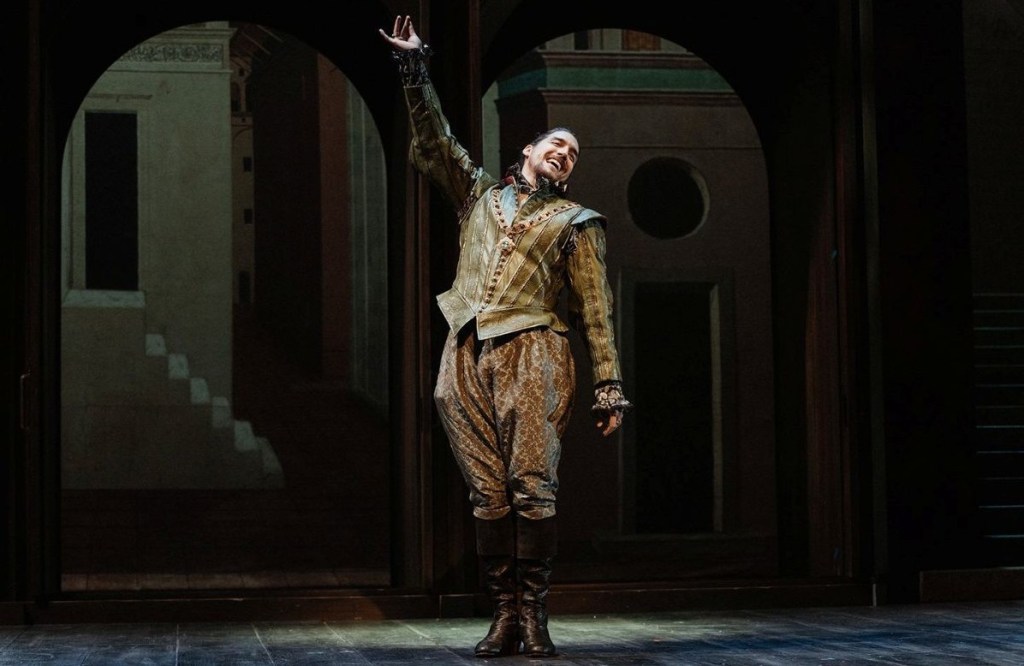
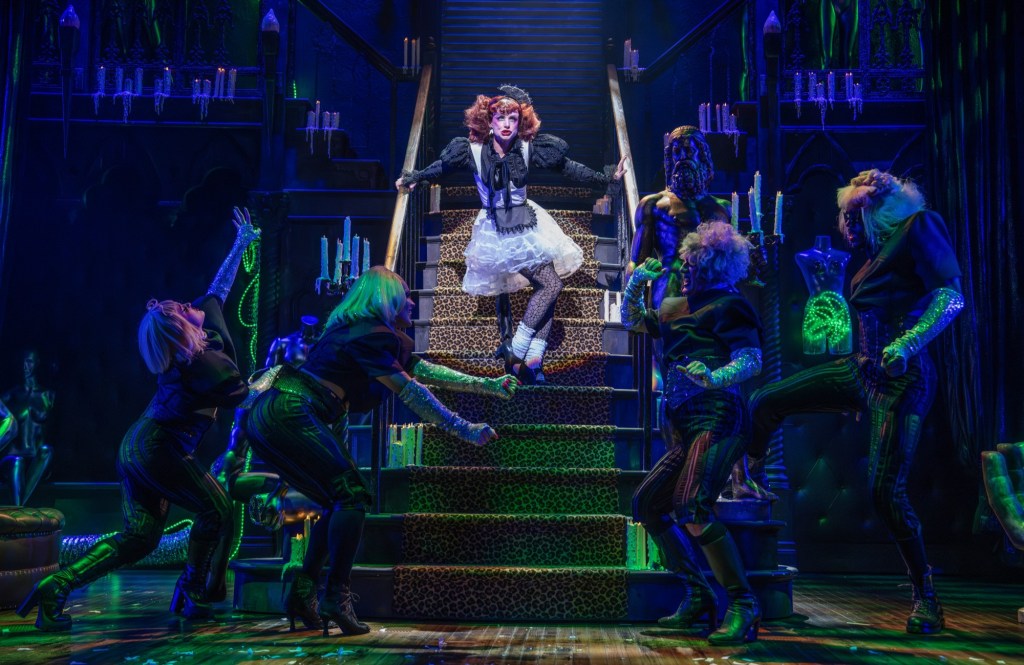
• The staging, while not amateurish, is horrendous. Zimmerman evidently has no feeling for the musical stage, or for comedy, and the unit set that she has elicited, from Daniel Ostling, is entirely unfunctional. It consists of a grand staircase stage left, and three double-doored archways stage right, and the doors, to note, slide into a small compartment between the archways when opened. Thus, for two-and-a-half hours: open, slide, slide, close, open, slide, slide, close, open, slide, slide, close, open, slide, slide, close, etc. Actors, meanwhile, semi-regularly exit up the grand staircase only to continue the scene coming back down the grand staircase moments later. (What is going on here!) Plus, Zimmerman has failed to define the physical space; to move actors about the physical space with precision, specificity, and purpose; to endow the production with a particular style, personality, or operational means, with imagination and ingenuity. And she has made terrible missteps at numerous points throughout the proceedings: the artificially posed buttons; the laborious sight gags; the premature tableau at the end of “The Wolf”; the out-stage placement of a pivotal spill; the inconsequential use of red confetti; the exit of Cardinale and Governatore after their concurrent deaths; the branches brought onstage in the midst of “Fly Away”; etc. Zimmerman is not the director for this piece, and she should be replaced, whatever the short-term financial cost, because the artistic – and, thus, long-term financial – cost of keeping her will almost certainly be far greater.
• The choreography, by Austin McCormick, is similarly horrendous. The lighting design, by T.J. Gerckens, is thoroughly unremarkable. The costume design, by Ana Kuzmanić, is quite strong. And the sound design, by Palmer Hefferan, is happily devoid of concert headgear.
• Nettles, as Giulia, is adequate, but the show would benefit from a stronger actor. Quentin Earl Darrington, as Cardinale, Christopher M. Ramirez, as Governatore, Didi Romero, as Duchessa, and Sam Simahk, as Father Paolo, are incredibly fine. And the balance of the cast is very strong.
• Lastly, Nettles and Zotovich might consider whether or not the title, Giulia: The Poison Queen of Palermo, really does the show justice.
THE BROADWAY MUSICAL IS ALIVE AND MODERATELY WELL
Starting tomorrow, I will be taking a three-week break from the Report. During that time, the Report will be confined to select press announcements from the past week and the upcoming week’s previews and openings. The Report will return, in full, on August 9, with notes on Whistle Down the Wind at New York Stage and Film, and possibly with notes on Iceboy! at the Goodman Theatre, though I currently have no plans to see it. If you have strong feelings about my seeing Iceboy!, please let me know.
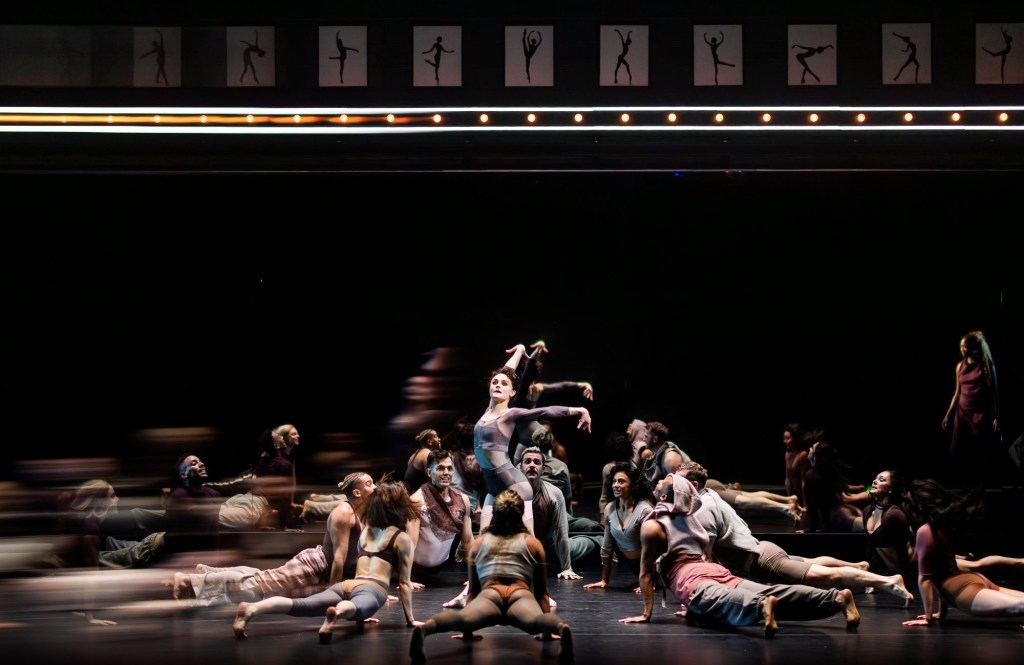
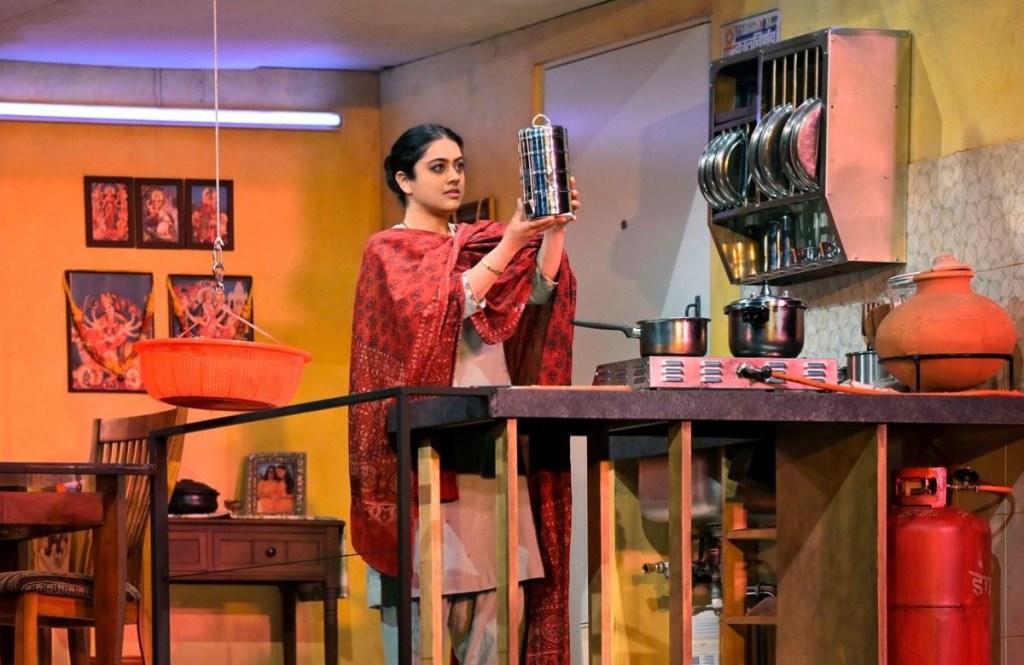
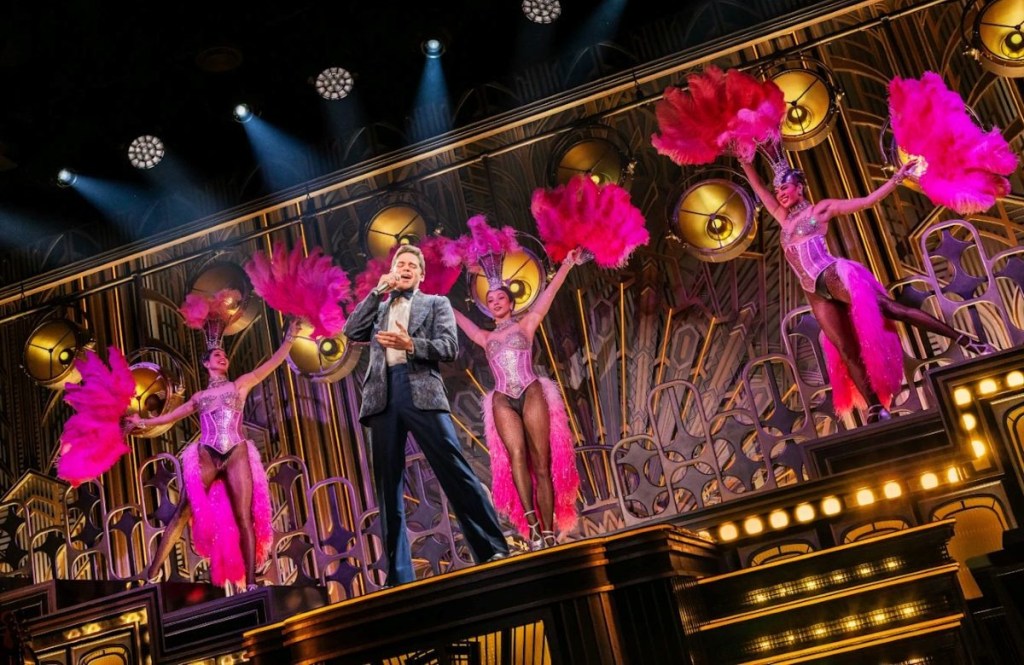
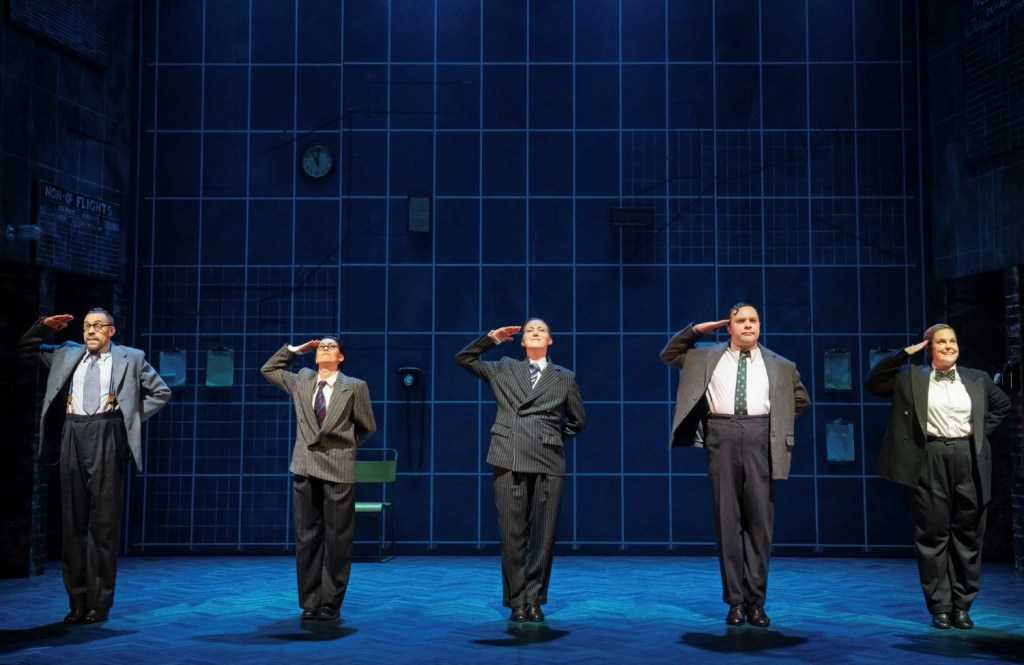
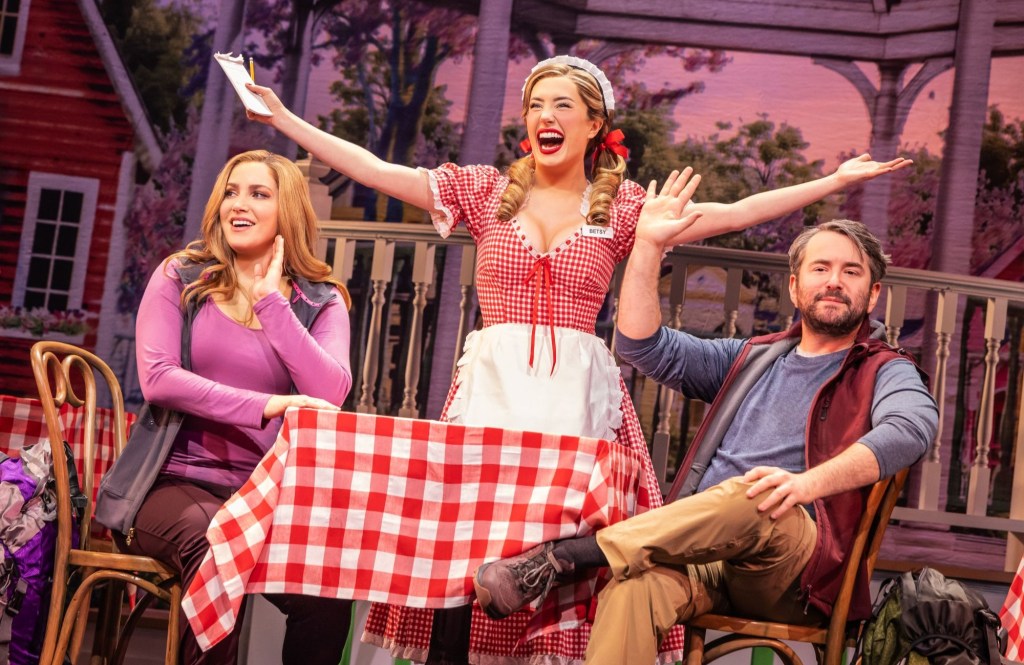
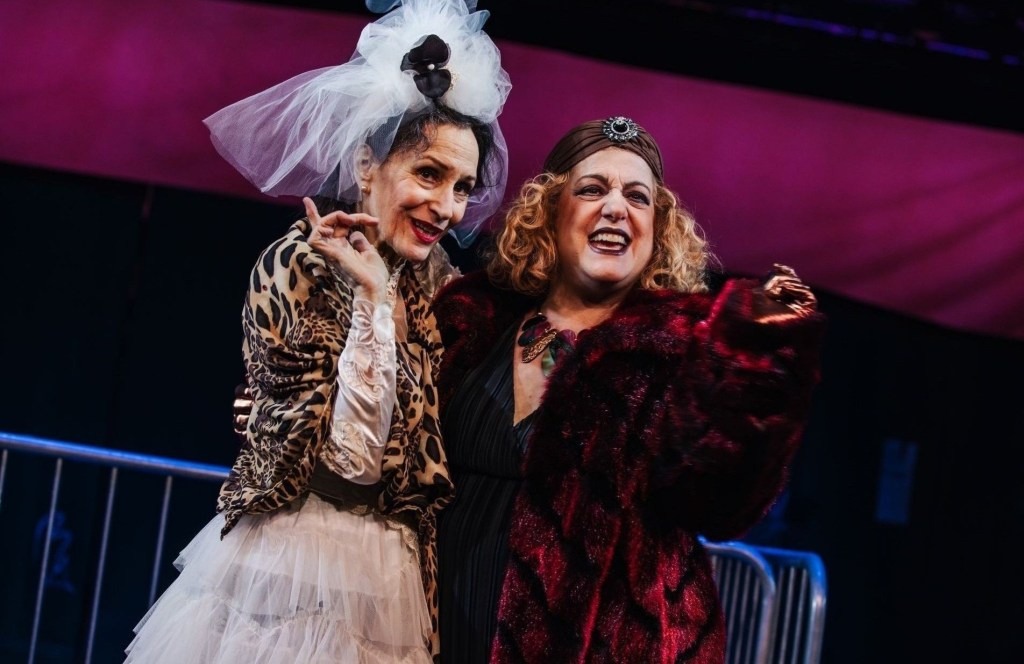
Lastly, I should like to note, before we part and most emphatically, that the Broadway musical is alive and moderately well. Simply look out of town. The past six months has seen the openings of Chez Joey, The Lunchbox, and Safety Not Guaranteed, each of which is near to being an exceptionally well made piece of theatre, each of which is in need of refinement, each of which is already packed with artistic pleasures, and each of which is based in New York. Plus, Black Swan and Elephant Shoes have real potential, though each needs significant work. Yes, financial and artistic challenges persist, but the Broadway musical is alive and moderately well, providing these – and other – pieces receive the necessary work prior to reaching their final destination.
PRESS ANNOUNCEMENTS
Here is a list of select press announcements from the past week. Each headline is clickable for more information.
• Dolly Musical Will Open on Broadway in 2027
• Giulia Starring Jennifer Nettles Extends at PAC NYC Through Early August
• Lindsey Kraft Will Premiere One-Woman Musical We’ve Been Here Before, Music Directed By Ben Folds
• The Fantasticks on Broadway Sets Full Design and Music Team
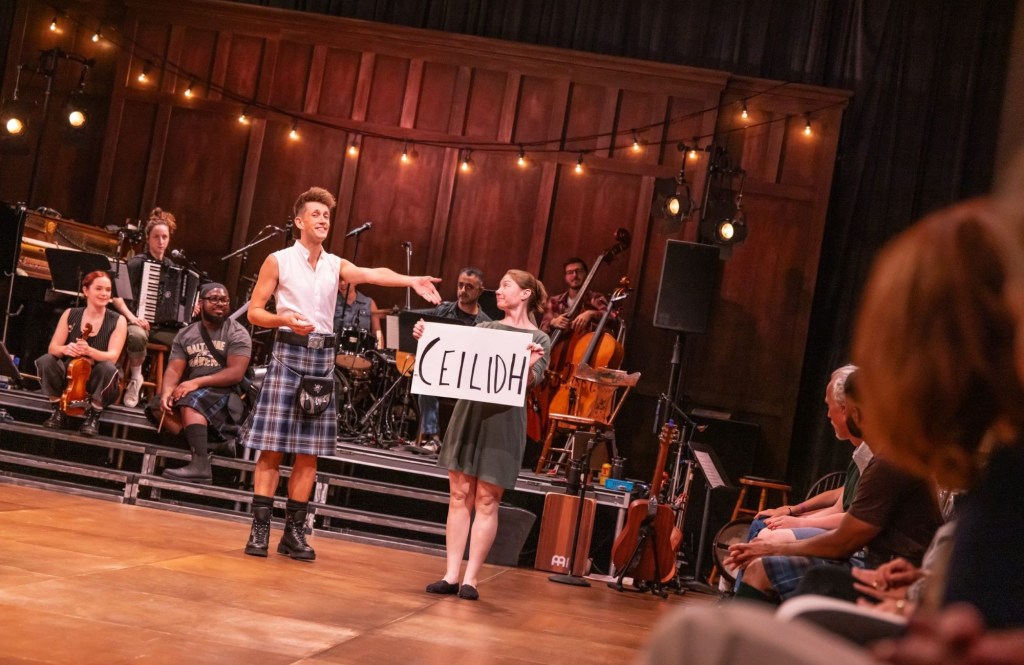
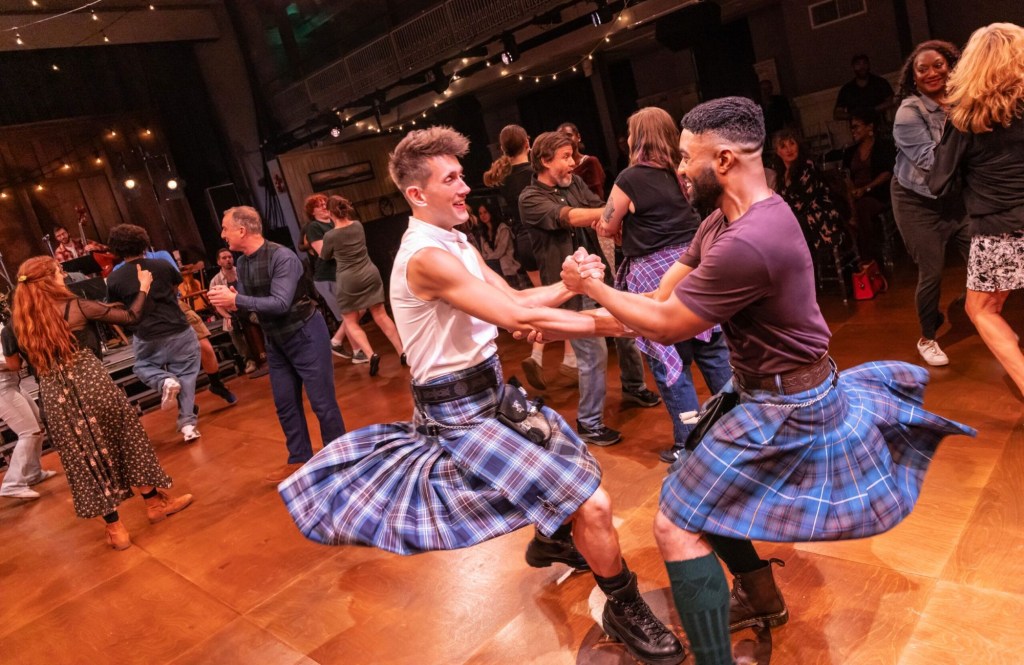
• Ceilidh Musical to Have London Run and Embark on Tour
• See Who’s Starring in North American Tour of The Who’s Tommy
PREVIEWS AND OPENINGS
Here is a list of the new musicals and revivals either opening or beginning previews during the upcoming week, specifically on Broadway and Off-Broadway. It contains, as well, select new musicals beginning performances regionally, and select new musicals and revivals beginning performances in New York City. Each title is clickable for more information.
Monday, July 13
Tuesday, July 14
• Previews: Broad Strokes
Wednesday, July 15
Thursday, July 16
Friday, July 17
• Regional: The Family Album
• NYC: Forget I Said Anything
• Regional: Fanboy/Diva
Saturday, July 18
Sunday, July 19
• Regional: Paper Menagerie
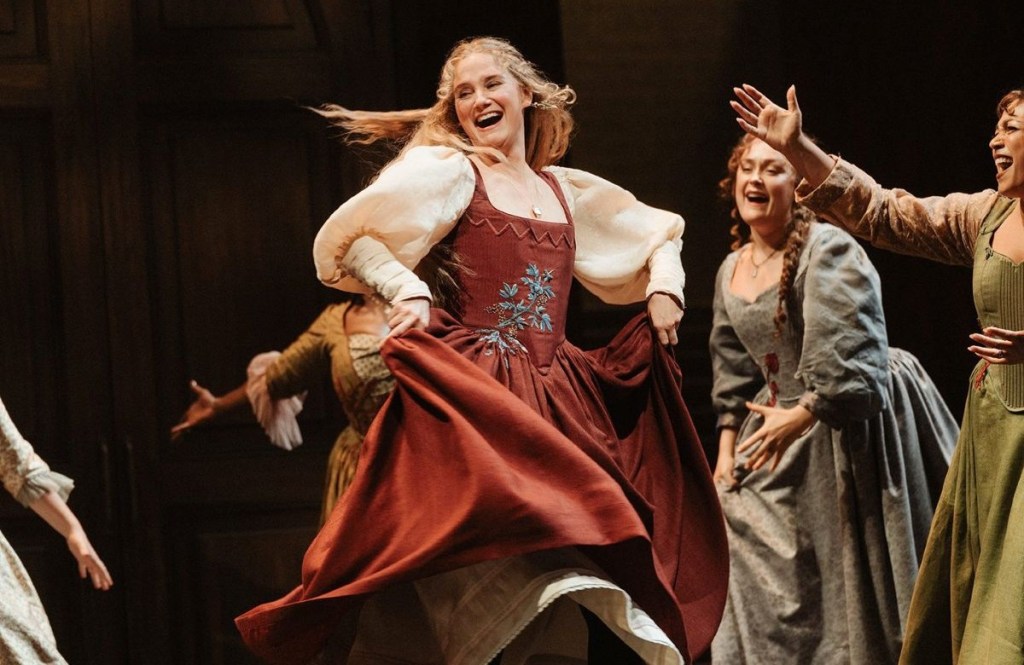
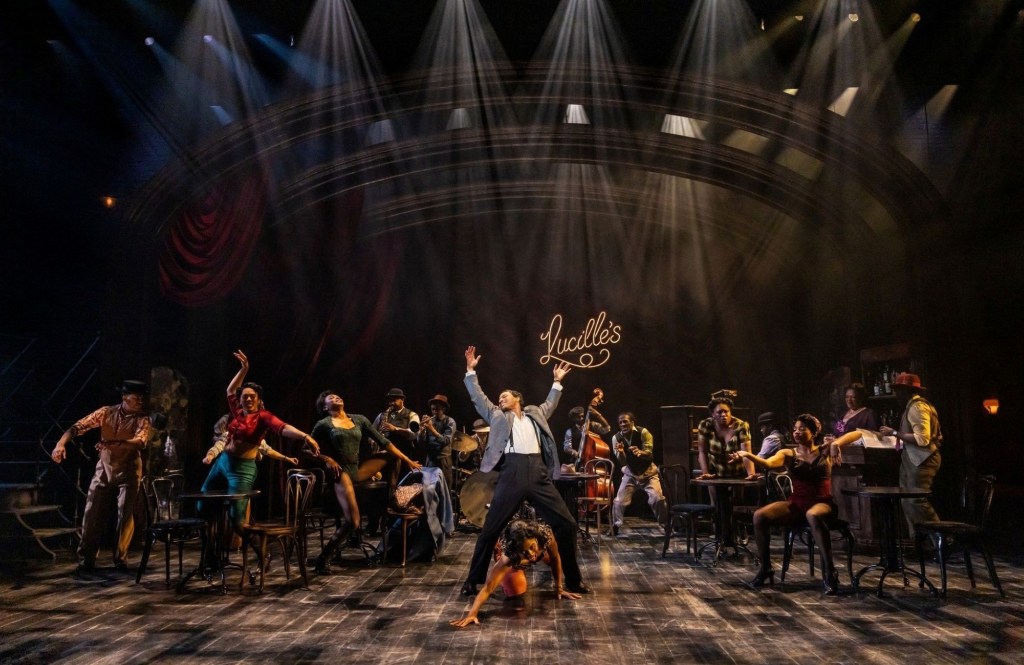
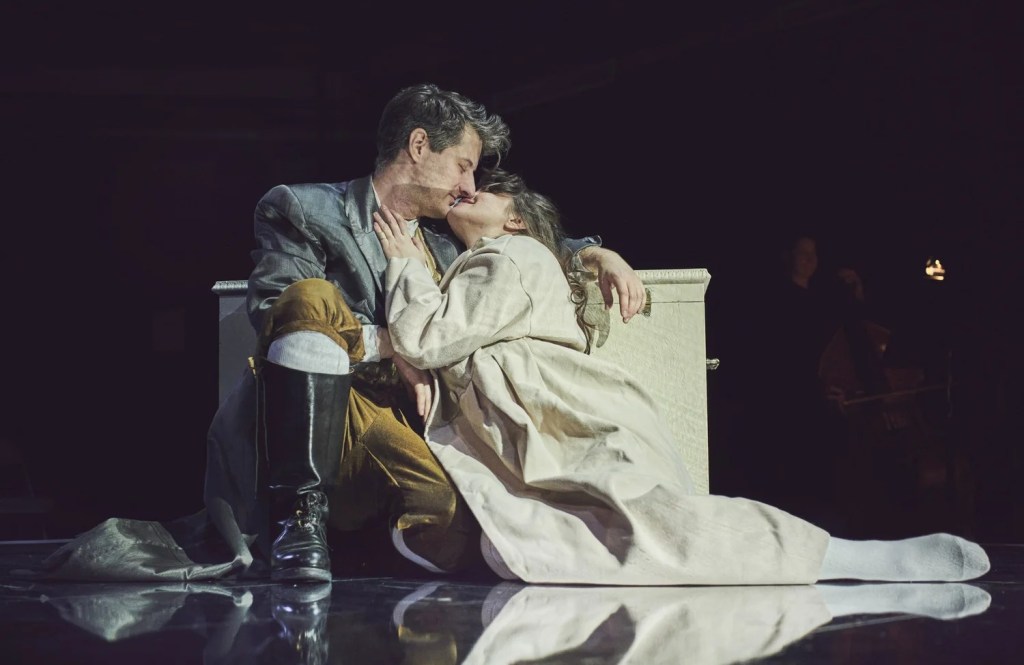
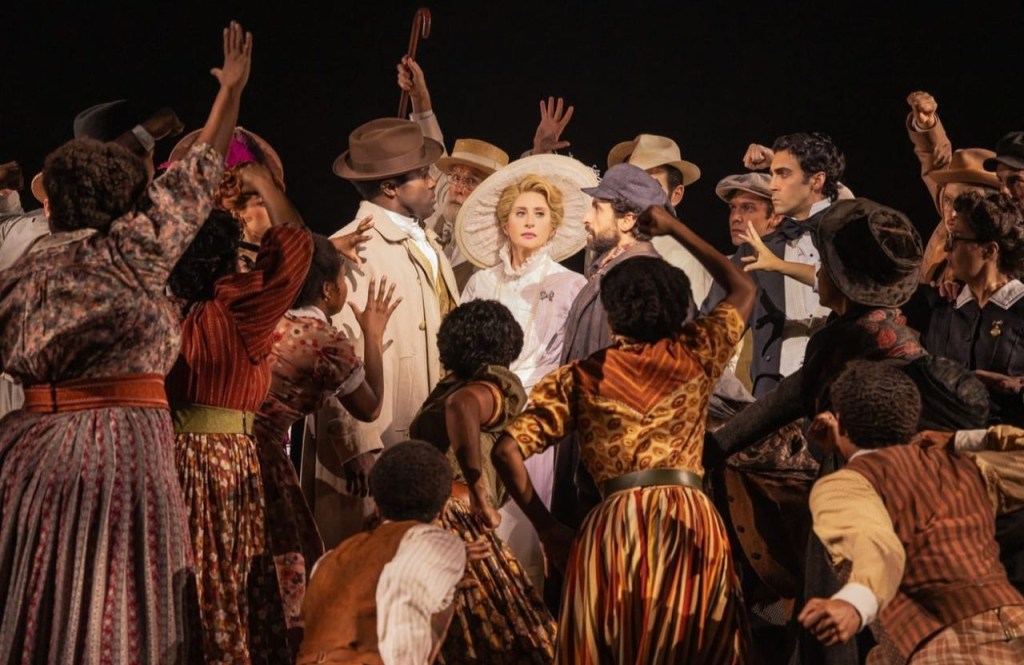
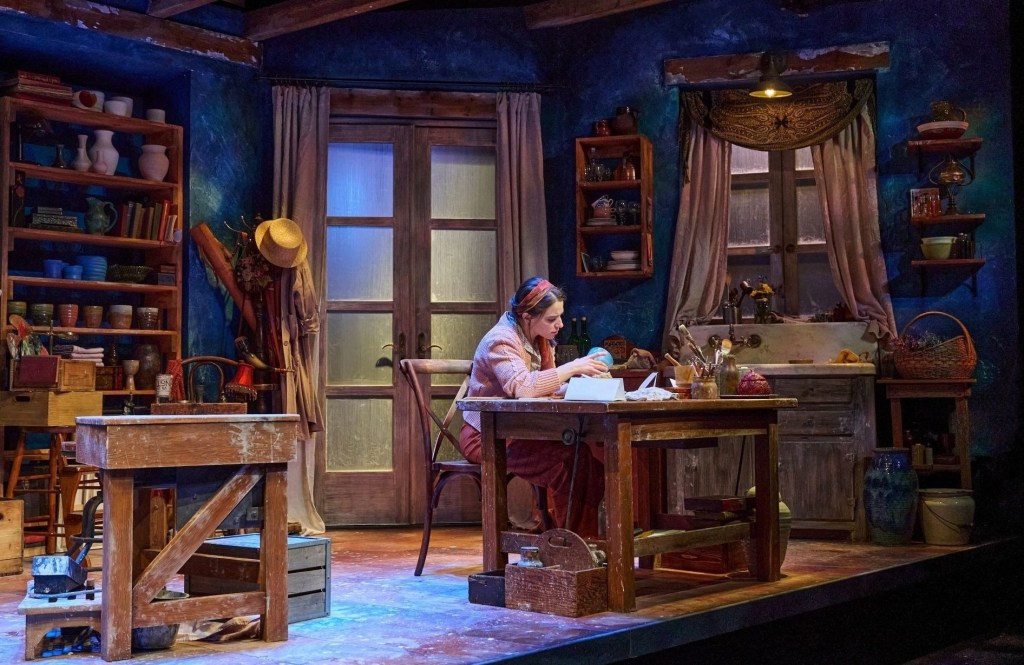
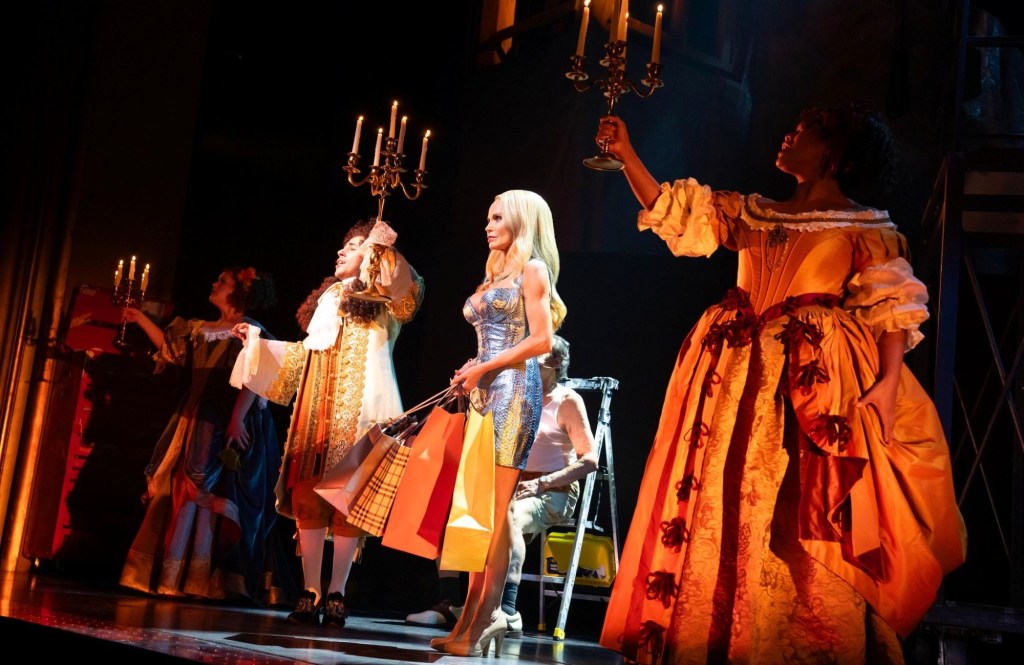
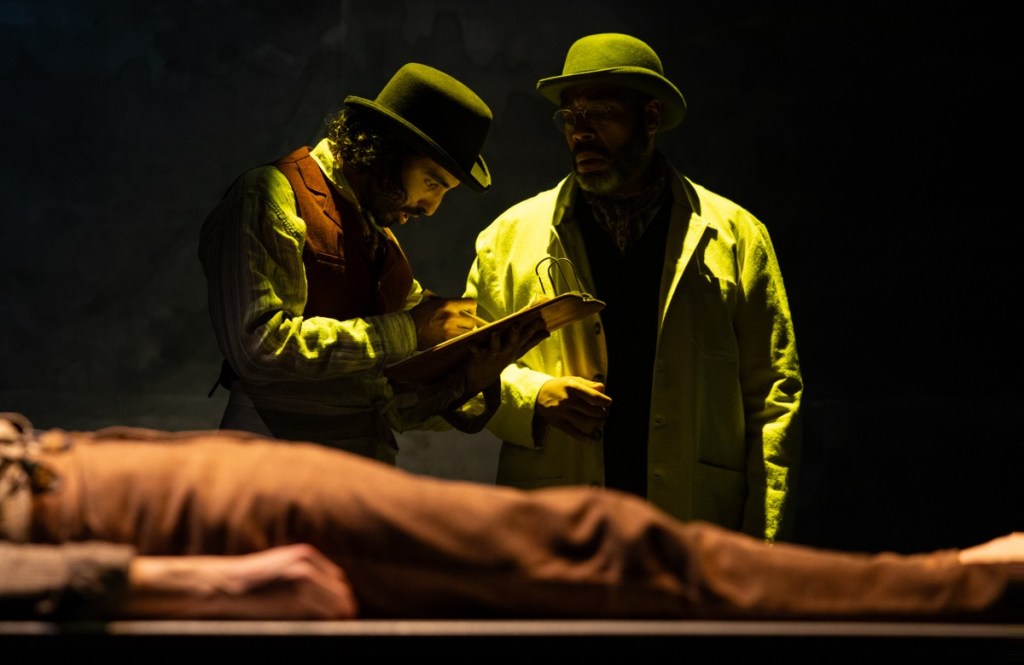
Photo of a scene from Giulia by Andy Henderson.









Leave a comment